

CBN boosts reserves with locally mined gold as Cardoso pushes for mineral reforms

The Central Bank of Nigeria (CBN) has received a new batch of locally sourced gold refined to London Bullion Market Association (LBMA) Good Delivery standards, adding it to the country’s foreign reserves.
According to a statement on Wednesday by the bank, this brings Nigeria’s total gold holdings to $3.5 billion, in a key move towards diversifying its reserves.
The gold was supplied through the National Gold Purchase Programme (NGPP), managed by the Solid Minerals Development Fund (SMDF).
The programme brings together local miners and according to the bank, follows strict responsible sourcing rules, in line with OECD Due Diligence Guidelines and the World Gold Council’s London Principles.
The CBN said it bought the gold in naira, using prices linked to LBMA benchmarks. This approach avoids using foreign currency for the purchase, helping to build reserves while supporting economic stability.
CBN Governor Olayemi Cardoso announced the development at a workshop on Friday, focused on maximising the economic benefits of Nigeria’s minerals.
He stressed that global uncertainties made gold more important as a hedge against inflation and market swings.
Mr Cardoso called for strong governance, adherence to international standards, and better coordination to unlock Nigeria’s vast mineral potential.
He described the NGPP as a model that shows Nigeria’s commitment to responsible resource management.
He also explained that the session, convened by the CBN’s Corporate Secretariat and Reserve Management Departments, was designed to create a structured platform for engagement with key players in the gold sector and to deepen understanding of the industry’s current landscape, opportunities, and challenges across its value chain.
Speakers at the event, the SMDF’s Executive Secretary, Fatima Shinkafi; the World Gold Council’s Director of Central Banks and Public Policy, Kurtulus Diamondopoulos; the President and CEO of the Africa Finance Corporation (AFC), Samaila Zubairu; and the Executive Vice Chairman of Kian Smith Gold Company, Nere Emiko, all praised the programme.
They noted it sets an example for other countries by combining formal supply chains with central bank purchases.
The industry experts also urged more investment in exploration, processing, and transparency to grow Nigeria’s strategic reserves.
This step by the CBN fits into the recent trend across Africa, where several central banks have turned to gold in recent years to strengthen reserves amid global economic pressures and high gold prices.
Countries such as Egypt, Kenya, Rwanda, Namibia, and Tanzania have increased or planned gold purchases to diversify from reliance on foreign currencies and to build buffers against volatility.
Egypt led African buyers in 2025, while others like Tanzania used domestic programmes similar to Nigeria’s.
Although overall central bank gold buying slowed slightly in 2025 from record levels in prior years, African nations have shown growing interest in using local gold to support monetary resilience.
For Nigeria, the new trend means stronger foreign reserves without draining scarce dollars, reduced exposure to external shocks, and a boost for the domestic mining sector through formal channels.
It could encourage more local refining and mining investment, create jobs, and help stabilise the economy over time.
Nigeria building its own gold holdings responsibly could be positioning itself better in an uncertain global environment where gold serves as a reliable store of value.

We have recently deactivated our website's comment provider in favour of other channels of distribution and commentary. We encourage you to join the conversation on our stories via our Facebook, Twitter and other social media pages.

More from Peoples Gazette

States
Independence: NBA urges Nigerians to expect better future
The NBA said that ordinary Nigerians should be deriving benefit from the subsidy removal rather than hardship.

Agriculture
FG tasks ECOWAS on leveraging financing strategies for agroecology
The federal government has urged stakeholders in the agriculture and finance sectors in the West Africa region to leverage financing strategies to enhance agroecology practices

Politics
Katsina youths pledge to deliver over 2 million votes to Atiku
“Katsina State is Atiku’s political base because it is his second home.”
Sport
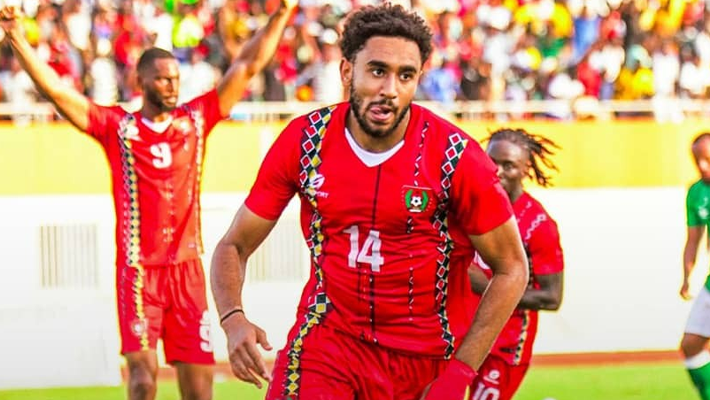
2027 AFCON Qualifier: Guinea-Bissau beat Madagascar, extend lead over Nigeria in Group L
Guinea-Bissau now have 10 points, Nigeria seven points, while Madagascar and Tanzania have two points each.
Africa
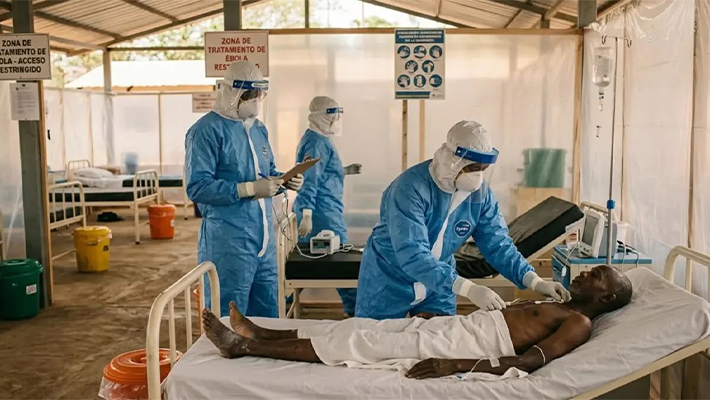
WHO raises concern over rising Bundibugyo Ebola deaths, insecurity in DR Congo
Mr Ghebreyesus said the outbreak, declared six months ago, had spread across 67 health zones in eight provinces in the DR Congo.

Africa
Afreximbank urges industries to boost intra-African trade as alternative to China in global markets
“As global markets look to diversify production beyond China, Africa must position itself as a natural partner of choice,” Mr Maayergi said.

World
Russell Brand faces probe over prison message to supporters
Mr Brand was convicted at Southwark Crown Court of one count of rape and three counts of sexual assault.
Politics
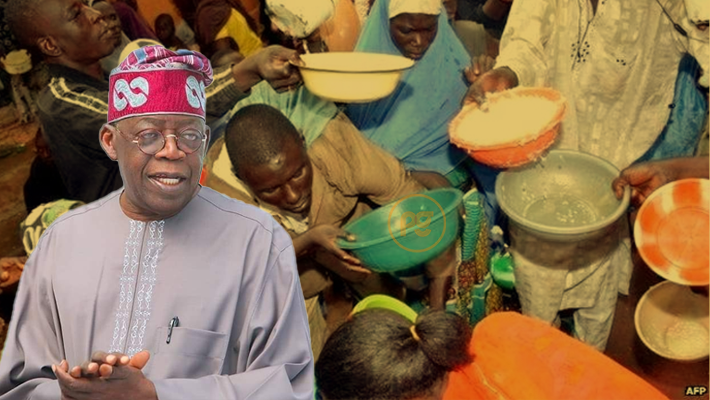
Tinubu admits cost-of-living crisis after APC dismissed widespread hunger claims
According to Mr Tinubu, the 2027 election is about the country’s future and direction.

World
WHO pushes for stronger vaccination, screening, treatment to eliminate cervical cancer
WHO said that expanding HPV vaccination, improving screening access, and ensuring timely treatment are critical to protecting women.


