

CBN says e-Naira safer than Bitcoin, other popular cryptos
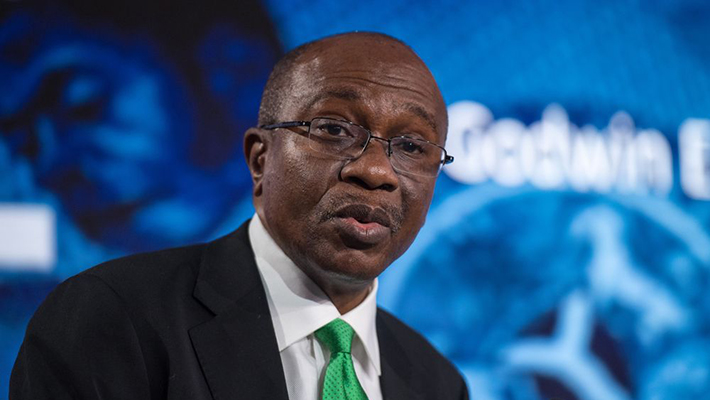
The Central Bank of Nigeria (CBN) has ascribed stability to the banking system as an advantage of adopting its soon to be launched digital currency, e-Naira.
Folashodun Shonubi, the bank’s deputy governor in charge of operations, made comments at a seminar hosted by the Chartered Institute of Bankers of Nigeria in Lagos, themed ‘Central Bank Digital Currencies: Insights for the 21st Century Banker.’
“The Central Bank in its implementation has ensured the e-Naira feeds our economy and provides greater value,” Mr Shonubi said. “The Central Bank Digital Currency (CBDC) will also make it easier for the banking system to comply with existing laws such as anti-money laundering, customer protection against fraud and ensuring the safety and stability of the payment system.”
Mr Shonubi stated that the e-naira would prove safer than “privately issued cryptocurrency”, he adds that the launch of digital currency would be to complement existing payment pathways, thereby ensuring a stable system.
“For banks in developing nations, it will enhance their liquidity, efficiency in national remittances and challenge the high cost of remittances as the world rebounds in the post-pandemic. I am of the view that the era of CBDC promotes greater opportunities, and the central bank must be aware of the risks and mitigate them,” Mr Shonubi said.
The CBN had earlier announced the launch of its digital currency (e-Naira) pilot program in October. He also spoke on the importance of eNaira in Africa’s largest economy that included cross-border trade facilitation, financial inclusion, monetary policy effectiveness, improved payment efficiency, revenue tax collection, remittance improvement, and targeted social interventions.
Peoples Gazette reported in August that the apex bank had chosen Barbados-based financial tech company Bitt Inc. as the technical partner for the eNaira project. Nigeria’s adoption of digital currency and trade follows a trend of central banks worldwide deliberating on whether to adopt digital currencies in their countries.
The e-Naira project came months after the CBN banned the trade of digital assets in the country, instructing banks to shut down accounts of customers involved in cryptocurrency transactions. The action was widely criticised as throwing the country of about 200 million back to the dark ages, especially as Nigerians had already gained worldwide recognition as critical cryptocurrency traders.

We have recently deactivated our website's comment provider in favour of other channels of distribution and commentary. We encourage you to join the conversation on our stories via our Facebook, Twitter and other social media pages.

More from Peoples Gazette

States
Independence: NBA urges Nigerians to expect better future
The NBA said that ordinary Nigerians should be deriving benefit from the subsidy removal rather than hardship.

Agriculture
FG tasks ECOWAS on leveraging financing strategies for agroecology
The federal government has urged stakeholders in the agriculture and finance sectors in the West Africa region to leverage financing strategies to enhance agroecology practices

Politics
Katsina youths pledge to deliver over 2 million votes to Atiku
“Katsina State is Atiku’s political base because it is his second home.”

States
Gov Mbah scraps N750 daily ticket fee for Enugu tricycle operators, extends work hours
Mr Mbah also disclosed that tricycle operators would continue to use the state’s modern transport terminals free of charge.

States
FG unveils five-point strategy to tackle banditry, terrorism in Sokoto
Mr Ribadu called for sustained security deployments around vulnerable settlements, forest corridors and border communities.

Politics
2027: Wike urges Rivers traditional leaders to avoid ‘mistake’, back Tinubu for prosperity
Mr Wike said, “Supporting Tinubu is a support for prosperity.”
Heading 4
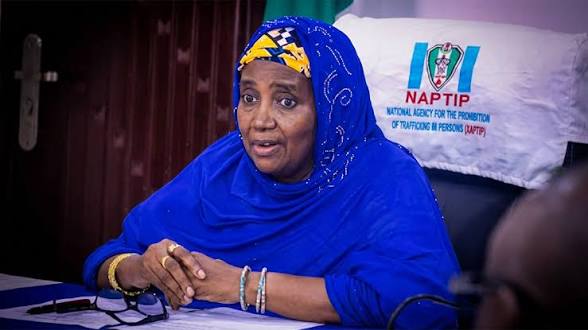
NAPTIP raises alarm over rise in parents’ facilitation of children’s sexual exploitation
The NAPTIP boss said parents and guardians were facilitating the sexual exploitation of their children to make money.
Heading 3
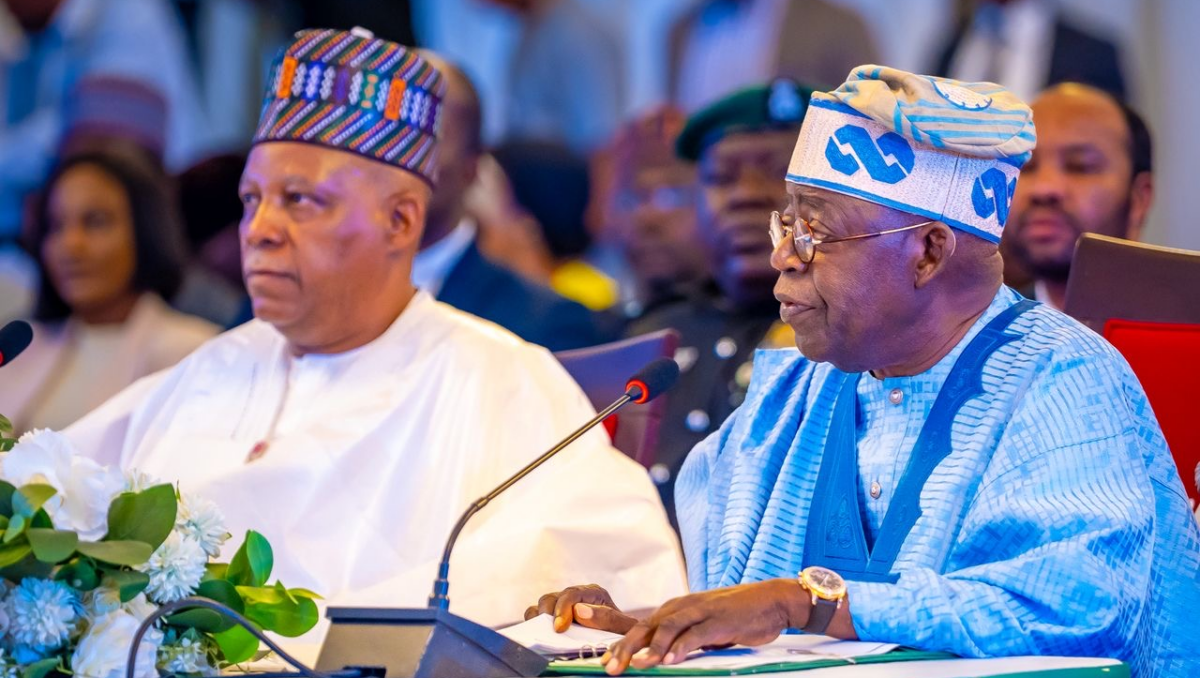
Shettima warns Tinubu’s supporters against dismissing Nigerians’ hardship during campaigns
Mr Shettima said the North has spoken with a resounding voice and unmistakable conviction in its support for Mr Tinubu.
NationWide
Nigeria seeks binding global rules on autonomous weapons, warns of terrorist threat
The diplomat also expressed concern about the increasing integration of artificial intelligence into nuclear weapons systems.


