

Climate change responsible for global extreme weather conditions not El Niño: Experts
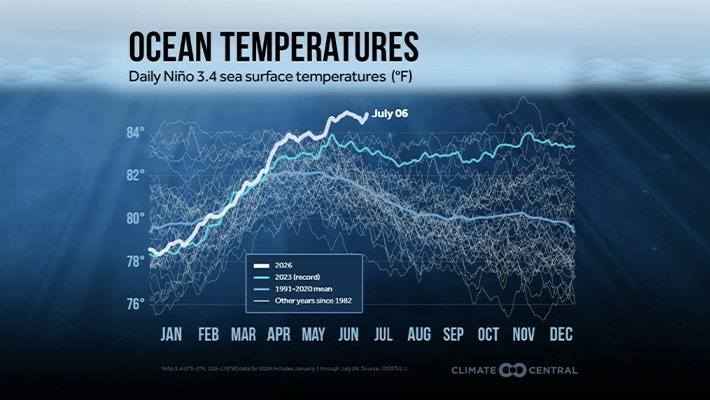
Climate advocacy group, 350.org, has warned against attributing global extreme weather conditions to El Niño rather than climate change.
The climate advocacy group, on Thursday, at a press briefing titled, “Fuel on Fire: Reporting El Niño and the True Costs of Climate Change” stated that the brunts of climate disasters had been mostly felt by people least responsible for them.
A research director at the Centre for Scientific Research (CNRS) and coordinator of the ClimaMeter attribution initiative, Davide Faranda, said the world has warmed by about 1.4°C as a result of greenhouse gas emissions, adding that El Niño is expected to raise global temperatures only by an additional 0.25°C.
Referencing ClimaMeter research, he said heatwaves in Western Europe in June were up to 2.5°C and warmer because of climate change.
The research director stated that attribution science should move beyond asking whether climate change is intensifying extreme weather to determining how much.
“The question for attribution science is no longer whether weather extreme events are enhanced or intensified by climate change, but how much,” Mr Faranda said.
A senior engagement specialist and chief meteorologist at Climate Central, Shel Winkley, compared the relationship between climate change and El Niño to a cake and the frosting on top.
“Climate change is the cake and El Niño is essentially the frosting on top,” Mr Winkley said.
He said his organisation’s study, Climate Central’s Shift Index, showed that many ocean basins are experiencing warmth made significantly more likely by climate change.
He added that sea surface temperatures in parts of the Gulf of Mexico and the Atlantic Ocean has equally surged because of a similar reason.
He stated that nighttime temperatures continued to warm up nearly twice as fast as daytime temperatures, noting that it reduced the human body’s ability to recover from daytime heat stress.
A member of 350.org‘s Caribbean team, Amira Odeh Quiñones, described the climate crisis as a humanitarian emergency in the region.
According to her, 82 per cent of Puerto Rico is currently experiencing drought, with water rationing underway in some communities.
The expert said daily temperatures had risen above 38°C across the Greater Antilles, while a growing risk of dengue, zika and chikungunya outbreaks linked to drought and heat have also been experienced in the country.
She added that unusually warm seas were also driving larger sargassum blooms, damaging tourism, fisheries and coastal livelihoods.
Ms Quiñones stated, “While we have experienced El Niño many times before in the Caribbean, it is very visible in the most recent years how the climate crisis is making this phenomenon feel more intense in the region.”
“We are feeling extreme heat and drought and we are paying the consequences with threats to our health and effects on the household income of many struggling families.”
The head of international programmes at the Energy and Climate Intelligence Unit (ECIU), Gareth Redmond-King, who referenced the economic scale of the climate crisis, cited analysis suggesting that current climate trajectories could slash global GDP by half later this century.
He stated that African countries were already losing between 2 and 5 per cent of annual GDP to climate impacts, while spending up to 9 per cent of national budgets responding to climate-related disasters.
He said climate change added an estimated £360 to the average UK household’s food bill in 2022 and 2023.
“Climate change is absolutely at the heart of the cost-of-living crisis. Climate disasters kill people, destroy crops and damage infrastructure in the short term. In the medium term, they are building bigger risks into our global food system,” Mr Redmond-King said.
He stated, “We know we can do nothing about El Niño, but we know we have only one scientific solution to halting climate change, which is to cut our emissions to net zero.”
The climate group explained that its engagement with the media was aimed at reinforcing the ongoing push to connect the science of climate attribution with the economics of who bears the cost.
“Fossil fuel system continues to be subsidised to the tune of $12 trillion a year globally, while ordinary people pay three times over,” the advocacy group said.
It noted that ordinary people continue to bear the cost of climate change through taxes, higher energy bills and costs of climate-related disasters.

We have recently deactivated our website's comment provider in favour of other channels of distribution and commentary. We encourage you to join the conversation on our stories via our Facebook, Twitter and other social media pages.

More from Peoples Gazette

States
Independence: NBA urges Nigerians to expect better future
The NBA said that ordinary Nigerians should be deriving benefit from the subsidy removal rather than hardship.

Agriculture
FG tasks ECOWAS on leveraging financing strategies for agroecology
The federal government has urged stakeholders in the agriculture and finance sectors in the West Africa region to leverage financing strategies to enhance agroecology practices

Politics
Katsina youths pledge to deliver over 2 million votes to Atiku
“Katsina State is Atiku’s political base because it is his second home.”
Heading 4
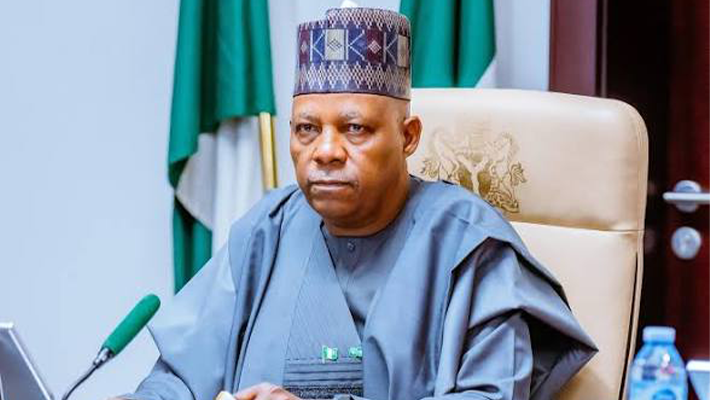
Shettima urges statisticians to strengthen Nigeria’s data systems
Mr Shettima said credible statistics were essential for effective governance and economic planning.
Heading 1
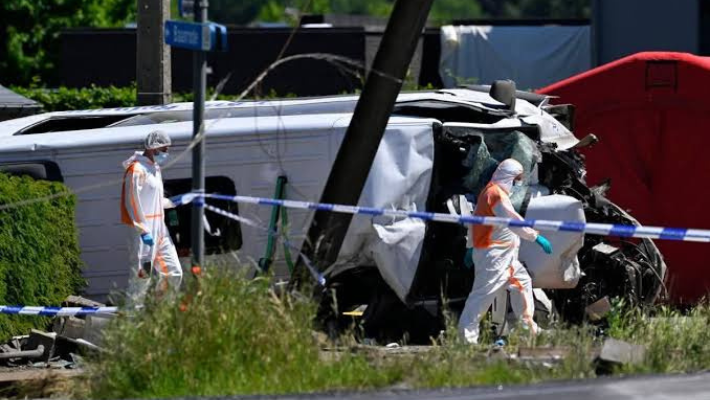
19 injured in minibus collision with train in France
The minibus was conveying truck drivers.

Heading 5
Sokoto: Customs confiscate truckload of contraband worth N722 million
He urged Nigerians to support the NCS by providing credible information that could help eradicate smuggling.
Heading 3
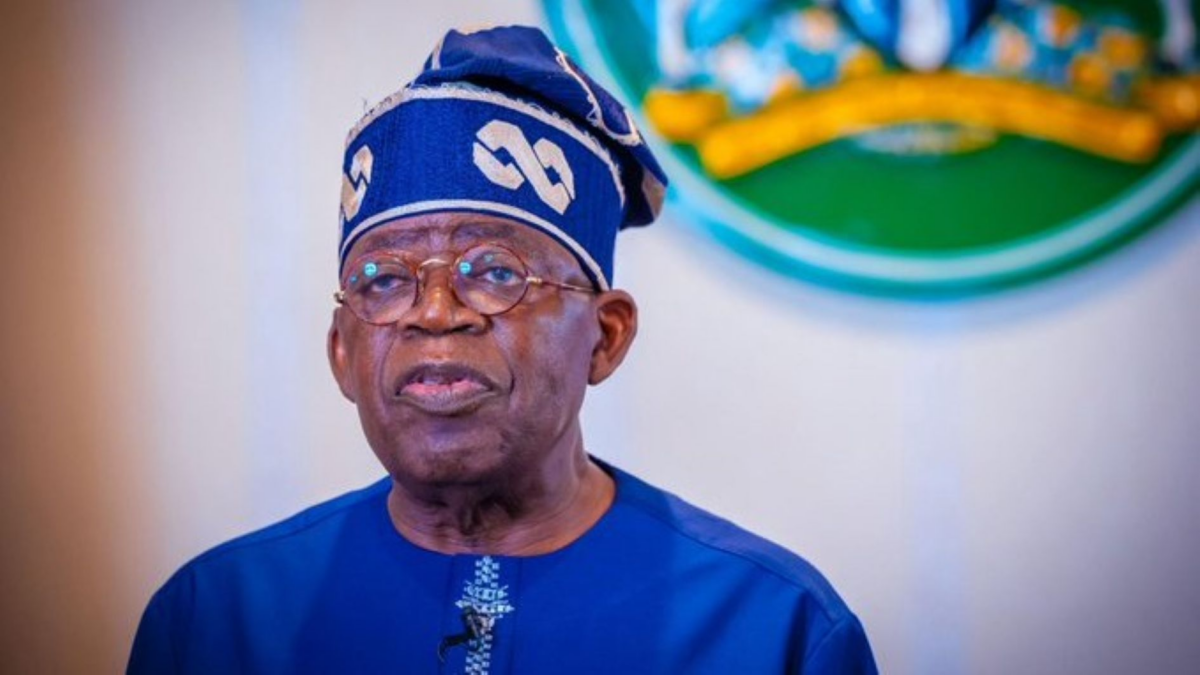
2027: Tinubu directs security chiefs to rescue abducted Nigerians, crush terrorists
Mr Musa said Mr Tinubu also stressed the need for free, fair and credible elections.
Heading 2
INEC decries exclusion of PWDs from elective positions in Akwa Ibom
Mr Onuoha said the commission would hold a sensitisation programme for persons with disabilities on Friday in Uyo.
World
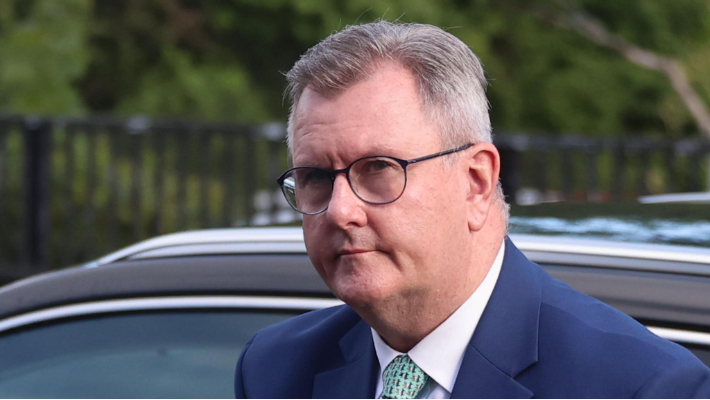
UK court sentences Irish lawmaker Jeffrey Donaldson to 15 years in prison for raping children
One of the women described the rape as “the worst moment of her life”.


