

Climate group warns of volatile fossil fuels amid Strait of Hormuz blockade
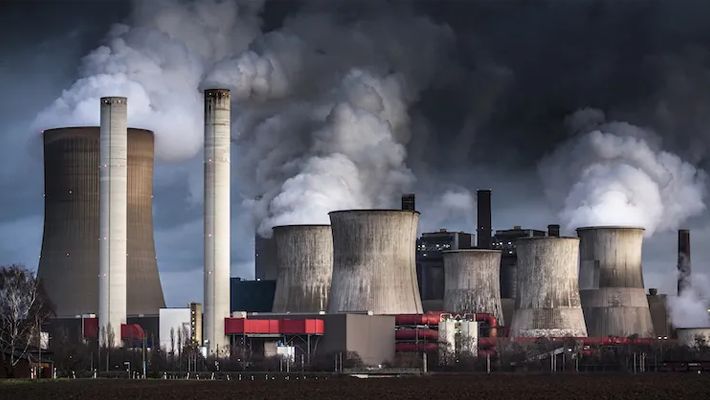
350.org, a climate campaign group, has warned against fossil fuel inflation amid the continued closure of the Strait of Hormuz due to ongoing U.S.-Iran war.
The group, in a statement on Friday, warned that inflation is forcing households worldwide to pay the price of continued dependence on volatile fossil fuels.
Citing the World Bank, the organisation said oil and gas price shocks raised global expected inflation from 3.3 per cent in 2025 to four per cent in 2026.
“Food prices were among the most affected by fossilflation, with food prices increasing 5% in the first two months after the start of the Iran war, with vegetable oil and agricultural meal jumping 10% over the same period,” it stated.
The group further noted that rising oil and gas prices alone would siphon up to $1tn out of businesses, households and public budgets by the end of 2026.
The statement added, “The impacts have extended far beyond energy markets. Higher oil and gas costs feed into the price of transporting, producing and distributing food and other everyday goods, meaning a geopolitical shock thousands of miles away can show up in household budgets from Jakarta to São Paulo, Paris to Pittsburgh.
“350.org is calling this phenomenon ‘fossilflation’, inflation driven or amplified by dependence on fossil fuels and the volatile global markets and infrastructure needed to supply them.”
Andreas Seiber, head of policy at 350.org, noted that fossilflation happens when a crisis in one waterway becomes a higher bill for families worldwide.
“Within the first month of the Iran war, we estimated that more than $100 billion had already been siphoned from consumers and businesses to oil and gas companies through higher energy prices.
“Six months on, families are still paying the price. There is nothing secure or affordable about an energy system that enriches fossil fuel companies while exposing everyone else to geopolitical shocks. The way out is to get off fossil fuels,” Mr Seiber said.
According to João Cerqueira, the organisation’s Brazil country manager, a rise in global oil prices doesn’t stop at the petrol pump in Brazil.
Mr Cerqueira explained that higher fuel costs push up the price of transporting food and everyday goods, adding pressure to families already facing a high cost of living.
“These global shocks also feed the inflation that keeps interest rates high — currently at 14% a year — making credit more expensive for every family and business. This is fossilflation, and it makes clear why we need energy that is affordable and protected from global fossil fuel shocks,” he explained.
Analyses from other regions, including France, Indonesia, the Pacific and the Caribbean and East Africa, showed volatile fossil fuel prices amid ongoing disruptions at the Hormuz.
According to the climate organisation, the Hormuz crisis is an ongoing example of how vulnerable the global fossil fuel system is to geopolitical conflict and disruption.
It called on governments to accelerate the transition away from oil and gas through electrification, renewable energy and energy efficiency, while ending new long-term fossil fuel infrastructure and contracts.
“A clean energy system built around locally available renewable resources can reduce exposure to volatile global fuel markets while lowering energy costs and strengthening energy security,” 350.org noted.

We have recently deactivated our website's comment provider in favour of other channels of distribution and commentary. We encourage you to join the conversation on our stories via our Facebook, Twitter and other social media pages.

More from Peoples Gazette

States
Independence: NBA urges Nigerians to expect better future
The NBA said that ordinary Nigerians should be deriving benefit from the subsidy removal rather than hardship.

Agriculture
FG tasks ECOWAS on leveraging financing strategies for agroecology
The federal government has urged stakeholders in the agriculture and finance sectors in the West Africa region to leverage financing strategies to enhance agroecology practices

Politics
Katsina youths pledge to deliver over 2 million votes to Atiku
“Katsina State is Atiku’s political base because it is his second home.”
Abuja
FCT NLC suspends indefinite strike
The NLC chair said the suspension was agreed upon in the spirit of social dialogue and industrial harmony.

Health
Ebola: Africa CDC seeks urgent international support for Nigeria
Mr Kaseya said Africa CDC had begun mobilising support for Nigeria while intensifying response efforts in DRC, Congo and Kenya.

States
Police raid kidnappers’ hideouts in Nasarawa forests
Mr Jidda added that police personnel were already operating in the forests and would extend the operation to other forested areas.

States
Delta assembly approves state police
The majority leader said the proposed amendment would strengthen the protection of lives and property through a dual policing system.
States
Truck Accidents: FG mulls weighbridges on Lagos-Ibadan Expressway
Mr Dare attributed some road accidents to reckless driving, poor vehicle maintenance, and the removal of public infrastructure.

Anti-Corruption
EFCC secures conviction of ex-banker over unauthorised withdrawal of ₦1 million
Mr Nweke pleaded not guilty to the charge, prompting a full trial.


