

Closing gender gaps can add N15 trillion to Nigeria’s GDP: FG

Women’s affairs minister Imaan Sulaiman-Ibrahim says closing gender gaps can potentially add N15 trillion to Nigeria’s GDP annually by 2025.
Ms Sulaiman-Ibrahim stated this on Thursday in Abuja at the joint UN Accountability Forum and Orange/Lighting ceremony.
She noted that studies had shown that countries with higher levels of gender equality experience faster economic growth, improved governance, and more stable societies.
“For Nigeria, closing gender gaps has the potential to add N15 trillion to our GDP annually by 2025. Women constitute 49 per cent of our population and account for 41 per cent of small and medium-scale enterprise owners.
“Yet their representation in senior leadership is just 22 per cent, with only 3.6 per cent holding seats in parliament. These disparities represent untapped potentials that, if harnessed, could drive our nation’s development forward,” stated Ms Sulaiman-Ibrahim.
The minister said the event was an opportunity to reflect on shared commitment towards advancing gender equality and ending violence against women and children.
Felicia Onibon, Nigeria Report consultant, said that over 100 pages of the ‘Nigeria Beijing Report’ contain all the activities around SDGs and the Beijing platform for action in the past five years.
While speaking on the Nigeria Beijing Report, Nesreen Elmolla, UN Women’s deputy representative, noted the huge milestone recorded in Nigeria.
According to her, the orange and lighting ceremony symbolises hope, unity, and a collective vision for a world and Nigeria free of violence.
Abdourahamane Diablo, head of office and country representative of UNESCO to Nigeria, reiterated their commitment to ending GBV, girl-child education and advancing gender equality.
Francis Koessan, deputy representative of UNFPA, called for more synergy between stakeholders, engagement with men and boys, advocacy for policy implementation to end GBV and investments in preventive measures to ensure women and girls’ safety.
(NAN)

We have recently deactivated our website's comment provider in favour of other channels of distribution and commentary. We encourage you to join the conversation on our stories via our Facebook, Twitter and other social media pages.

More from Peoples Gazette

Agriculture
FG tasks ECOWAS on leveraging financing strategies for agroecology
The federal government has urged stakeholders in the agriculture and finance sectors in the West Africa region to leverage financing strategies to enhance agroecology practices

Politics
Katsina youths pledge to deliver over 2 million votes to Atiku
“Katsina State is Atiku’s political base because it is his second home.”
Economy
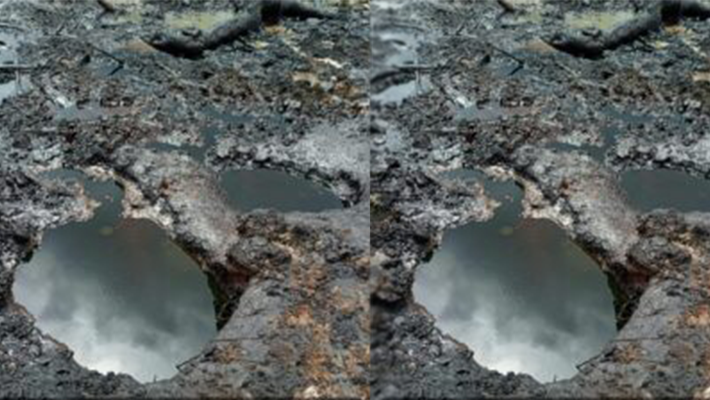
Navy recovers 80,000 litres of suspected stolen crude oil in Delta
The Nigerian Navy recovered approximately 80,000 litres of crude oil in anti-crude oil theft operations in Delta State.
States
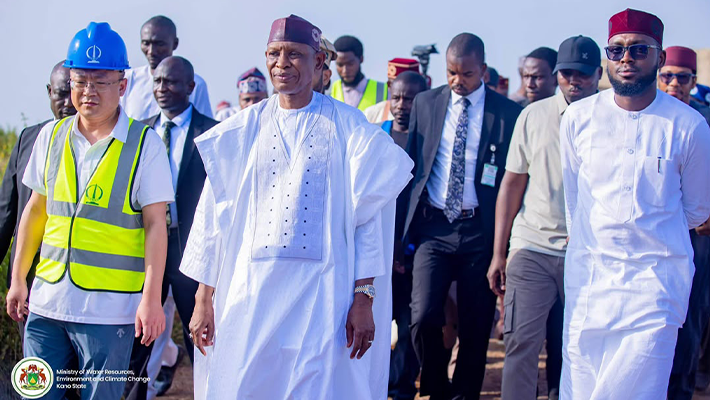
Kano govt restores 39.8 million-litre Goron Dutse reservoir after 30 years
Governor Abba Yusuf said restoring the facility was part of his government’s broader effort to revive the state’s critical infrastructure.

Sport
AFCON Qualifiers: Guinea-Bissau trash Nigeria 3-0
The victory lifted Guinea-Bissau to the top of Group L with six points while Nigeria’s qualification hopes suffered another setback.

Economy
Pension fund assets rise to N31.8 trillion
The National Pension Commission (PenCom) says pension assets grew by N289.40 billion from the N31.51 trillion recorded at the end of July.

World
Three teenagers die after car veers into river
Police said the fourth person, a 17-year-old survivor, will be questioned.
Showbiz
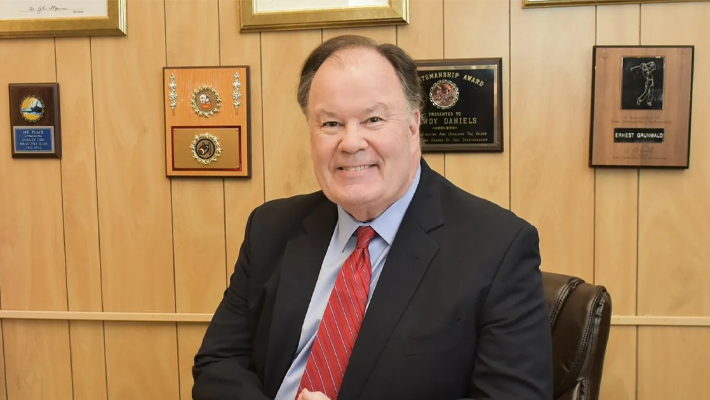
Saved by the Bell actor Dennis Haskins dies at 75
His agent, Jay Schachter, confirmed the news of his death, which occurred on Sunday in Burbank, California.


