

Constitution Amendment: Uba Sani canvasses reserved seats for women
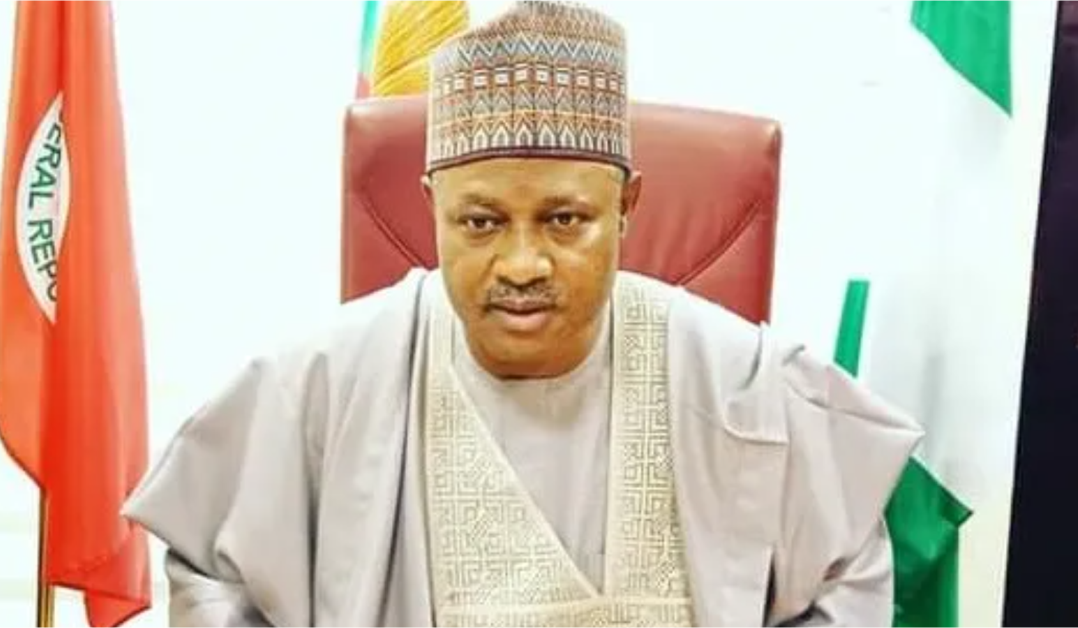
Governor Uba Sani of Kaduna State has lamented that the participation of women in politics does not reflect their demography and voting strength in Nigeria.
The governor noted that “women constitute nearly half of our population and an even larger share of active voters, yet they remain significantly underrepresented in elective and appointive offices. ‘’
Speaking at the flag-off of the North-West Zone campaign for the Reserved Seats for Women Bill on Thursday, he decried the situation whereby women occupy less than five per cent of legislative seats at the national level.
‘’This disparity is not a reflection of capacity or competence; it is the result of structural, cultural, economic, and institutional barriers that have persisted for decades,’’ he argued.
The Governor said that the North-West has historically recorded low female participation in elective politics, a situation which is “shaped by deeply rooted social norms, economic constraints, and uneven access to political networks.”
‘’Yet these realities are not immutable. They evolve when institutions change, when leadership is intentional, and when women themselves step forward with confidence,’’ he added.
Governor Uba Sani noted that “Kaduna State offers a compelling example of what is possible. We are proud to be leading Northern Nigeria in the election of women into senior political offices and appointments into strategic positions.’’
‘’Kaduna State has a female deputy governor. We have an elected woman member of the State House of Assembly, who is also the Majority Leader of the Kaduna State House of Assembly and the first female to ever hold such a position in the North-West.
‘’The Kaduna State Head of Service is also a woman. We equally have a female elected local government chairman in the Jaba Local Government Area.
“Additionally, women head key ministries of health, business innovation, youth development, women’s affairs, and a lot of other key parastatals in the state,” he disclosed.
He argued that the Kaduna State example demonstrates women can ‘’win elections, head strategic positions in Government, lead effectively, and command public trust when given a fair opportunity.’’
According to him, “these milestones did not occur by accident. They are the outcome of deliberate choices, inclusive leadership, and the courage of women who stepped forward to contest and serve.’’
The governor recalled that successive administrations, civil society organisations, and development partners have attempted to address the imbalance of women’s under-representation in public office.
He said that the Beijing Declaration recommended at least 30 per cent affirmative action for women, and Nigeria’s National Gender Policy advocates a minimum of 35 per cent representation.
According to him, the Reserved Seats for Women Bill forms part of the ongoing constitutional review process, and it aligns with global democratic best practice.
The governor pointed out that the bill aims “to address chronic under-representation by creating constitutionally guaranteed spaces for women within legislative institutions.”
’Substantively, the bill proposes the creation of 182 additional seats reserved exclusively for women across the National and State Assemblies.
‘’These include one additional seat per state and the Federal Capital Territory in the Senate, one additional seat per state and the FCT in the House of Representatives, and three additional seats per state in the State Houses of Assembly, one for each senatorial district,’’ he disclosed.
Governor Uba Sani further argued that the Reserved Seat For Women Bill ‘’does not displace existing seats. It expands representation, ensuring inclusion without exclusion.’’
The Governor said that the Bill is designed as a temporary intervention, spanning four election cycles or sixteen years, after which it will be reviewed, adding that it “reflects both ambition and accountability.”
He listed Rwanda, Uganda, Kenya, Tanzania, Bangladesh, and Zimbabwe as countries where similar mechanisms have delivered transformative results.
In her speech, the APC National Women Leader, Dr Mary Alile Idele, lamented that “from 2003 to 2023, Nigeria has witnessed a troubling decline in women’s representation in the National Assembly.”
Reeling out statistics, she recalled that “in 2003, women held about seven per cent of seats. By 2007, this dropped to around six per cent. In 2011, despite national efforts, representation stagnated at about six per cent. In 2015, the numbers fell further.
‘’By 2019 and again in 2023, women held fewer than five percent of seats in the National Assembly—one of the lowest rates globally,” she disclosed.
According to Dr Idele, “this downward trend is not just a statistic—it is a wake-up call’’, adding that ‘’a democracy where half of the population holds less than five per cent of political representation is a democracy operating below its full capacity.
The APC Women Leader argued that the Reserved Seats for Women Bill will ‘’guarantee constitutionally protected political space for women.’’
According to her, when passed into law, the reserved seats for women will “strengthen democratic inclusion and national stability and enhance policymaking through diverse perspectives.”
‘’It will inspire millions of young women across Nigeria to see leadership as their birthright and align Nigeria with global best practices in democratic representation,” he noted.
Dr Idele, who commended President Bola Tinubu for his Renewed Hope Agenda, which prioritises inclusive growth, gender empowerment, and national unity, argued that ‘’this bill is not a favour to women—it is an investment in Nigeria’s future.’’

We have recently deactivated our website's comment provider in favour of other channels of distribution and commentary. We encourage you to join the conversation on our stories via our Facebook, Twitter and other social media pages.

More from Peoples Gazette

States
Independence: NBA urges Nigerians to expect better future
The NBA said that ordinary Nigerians should be deriving benefit from the subsidy removal rather than hardship.

Agriculture
FG tasks ECOWAS on leveraging financing strategies for agroecology
The federal government has urged stakeholders in the agriculture and finance sectors in the West Africa region to leverage financing strategies to enhance agroecology practices

Politics
Katsina youths pledge to deliver over 2 million votes to Atiku
“Katsina State is Atiku’s political base because it is his second home.”
Economy
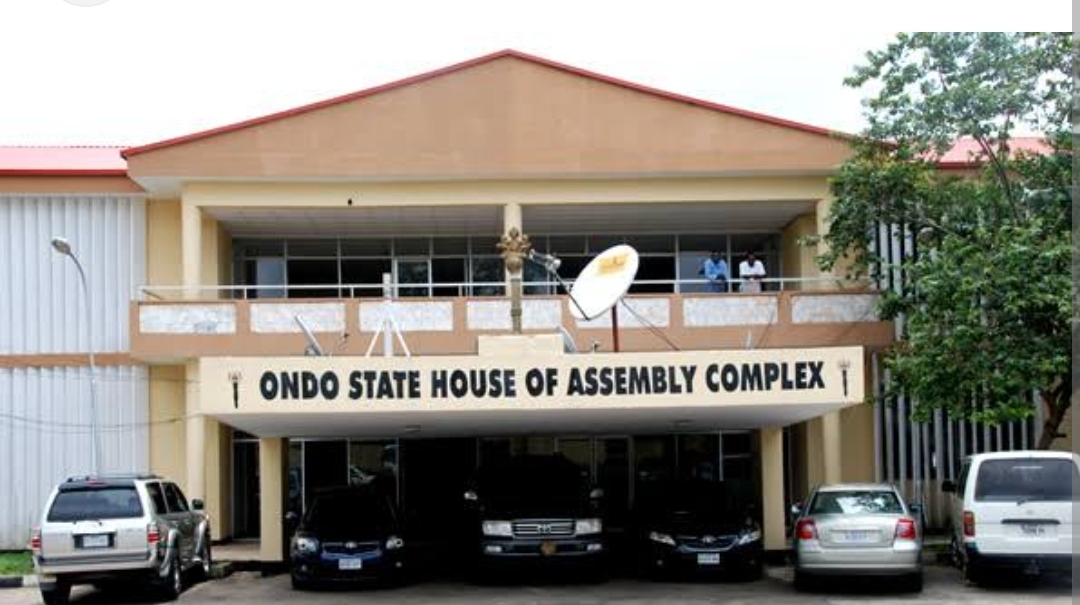
Ondo assembly seeks faster C of O processing to boost investment
The committee’s chairman, Abiola Oladapo, said efficient land administration was critical to creating an enabling environment for businesses.

Heading 4
Minister calls for greater involvement of oncology nurses in cancer care
The minister said cancer’s complexity made multidisciplinary collaboration essential.

Education
NOUN matriculates 70 inmates in Enugu custodial centre
Mr Nwakuche said the NCoS was committed to using education as an instrument for reformation.
Agriculture
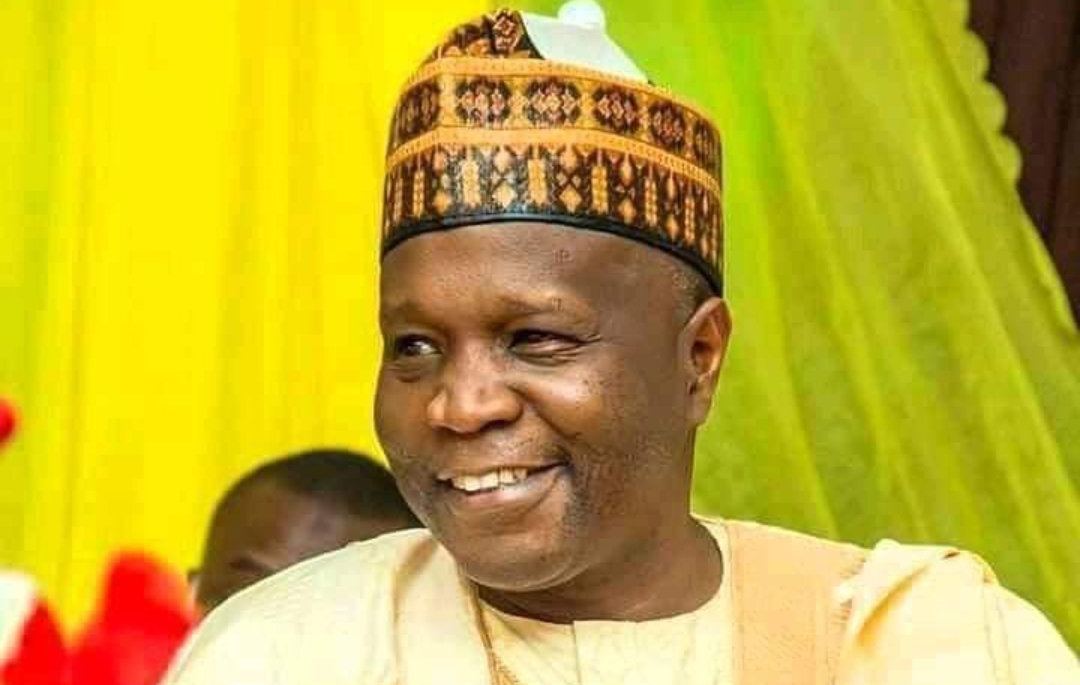
Gombe inaugurates state-wide livestock vaccination campaign
Mr Yahaya said the exercise was aimed at protecting animal health.
NationWide
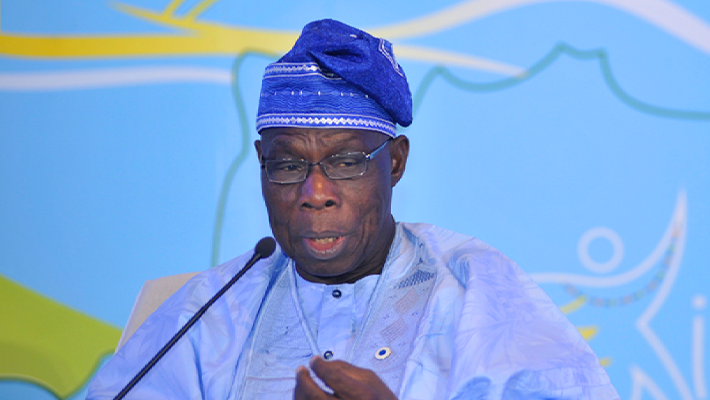
Asaba Massacre: Obasanjo urges forgiveness, reconciliation
He described the massacre as one of the most painful and terrible aspects of the Nigerian Civil War.
World
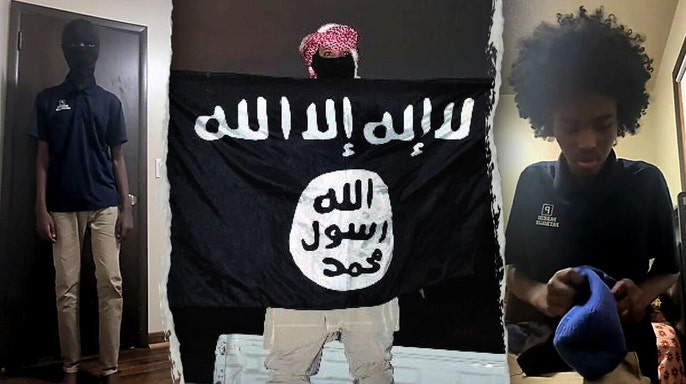
FBI nabs ISIS-linked Sheikhdoon Mohamud for plottting terrorist attack on Mall of America
He was arrested after buying an AK-47-style rifle, magazines and ammunition from an undercover FBI agent.


