

CVR: Over 3.5 million Nigerians pre-registered online in three weeks, says INEC

The Independent National Electoral Commission (INEC) says a total of 3,544,850 Nigerians have now pre-registered online in its ongoing nationwide Continuous Voter Registration (CVR) within three weeks.
Sam Olumekun, INEC national commissioner and chairman, information and voter education committee, disclosed this in an update issued on the exercise in Abuja on Monday.
He also disclosed that 288,614 registrants have now completed their physical registration within two weeks.
“As of Sunday, September 7, a total of 3,544,850 Nigerians have now pre-registered online in three weeks since the commencement of the exercise on Aug. 18.
“The figure at the end of Week Three shows that 1,709,933 (48.24 per cent) are male and 1,834,917 (51.76 per cent) are female.
“In terms of age and occupation, the majority, 2,291,809 (64.65 per cent), are between the ages of 18 and 34 while 882,441 (24.89 per cent) are students,” he said.
Mr Olumekun added that as of Sept. 4, the cumulative figure for the physical (in-person) registration, which commenced on August 25, was 288,614.
He stated that 132,634 (45.96 per cent) of the figure were male and 155,980 (54.04 per cent) were female.
“In terms of age and occupation, 215,414 (74.64 per cent) are between the ages of 18 and 34 while 114,150 (39.55 per cent) are students,” he said.
Mr Olumekun stated further that the distribution of both online and completed registrations by state, gender, age, occupation and disability had been uploaded to the INEC website and other official platforms for public information.
He appreciated the positive response of citizens and organisations that had mobilised civic participation for the exercise.
“However, we wish to reiterate that voter registration is only open to citizens who are 18 years or older at the time of registration.
“It is illegal for anyone to encourage underage registration or those below 18 years of age to register in anticipation that they will attain the legal age of voting by the time the general election is held in 2027,” he said.
(NAN)

We have recently deactivated our website's comment provider in favour of other channels of distribution and commentary. We encourage you to join the conversation on our stories via our Facebook, Twitter and other social media pages.

More from Peoples Gazette

States
Independence: NBA urges Nigerians to expect better future
The NBA said that ordinary Nigerians should be deriving benefit from the subsidy removal rather than hardship.

Agriculture
FG tasks ECOWAS on leveraging financing strategies for agroecology
The federal government has urged stakeholders in the agriculture and finance sectors in the West Africa region to leverage financing strategies to enhance agroecology practices

Politics
Katsina youths pledge to deliver over 2 million votes to Atiku
“Katsina State is Atiku’s political base because it is his second home.”

Africa
Coca-Cola system contributed $3.6 billion to COMESA economies in 2024: Report
Twenty-one nations make up COMESA.
Lagos
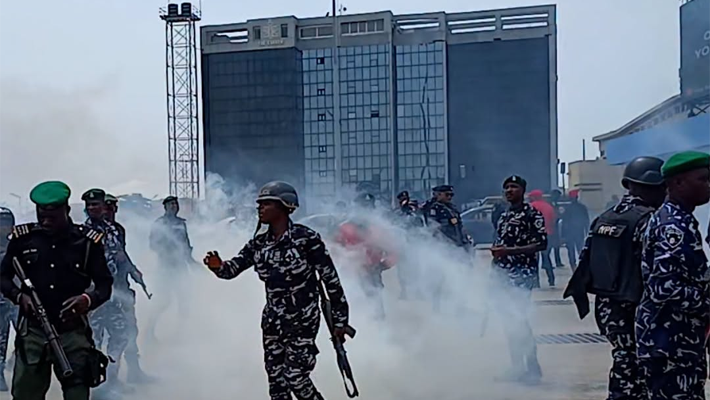
#EndSARS: Police fire teargas canisters at ADC, NDC governorship candidates, others at Lekki Toll Gate
The event, organised by the Enough is Enough Movement, was disrupted by the police officers deployed to the venue.

Heading 1
I didn’t tell Nigerians abroad to reject money requests from home: Obi
NDC chieftain, in a statement on Tuesday, said his statement was twisted.

States
Benue demands collective action to strengthen VAPP law implementation
Mrs Ikwue attributed some social challenges confronting the country to insecurity and declining family values

Hot news Home top
You are Egypt Nigerians will never return to, Atiku knocks Tinubu
Mr Atiku noted, “Stop pointing to Egypt as though it lies behind us. For millions of Nigerians, Egypt is the hunger, fear and indignity they are living through under you.”
Heading 5
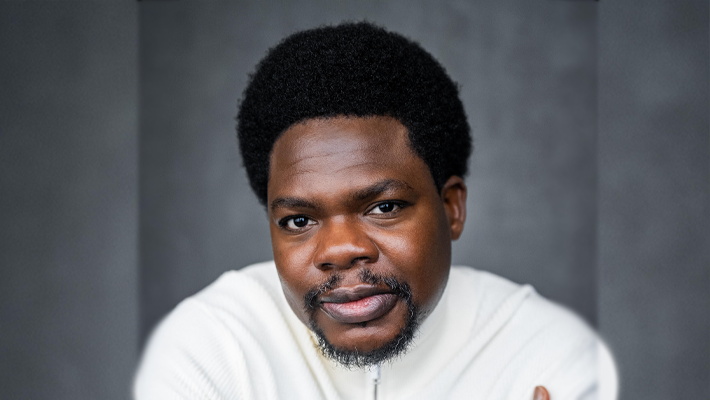
Six years after #EndSARS, insecurity, poverty, graft, others on highest level, says Mr Macaroni
Mr Macaroni stated, “The saddest part is that we are even more divided as a people at a time when we should be most united.”


