

Disgruntled herdsmen now operating as bandits: Miyetti Allah
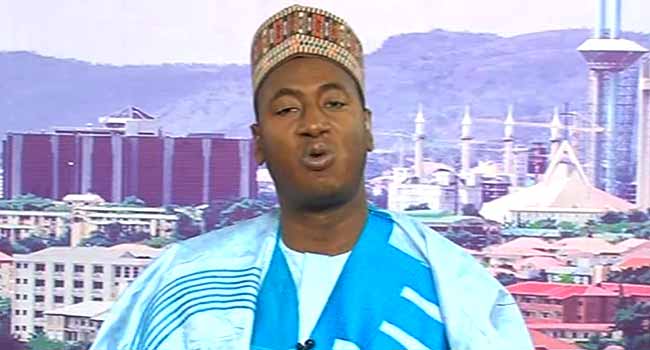
A Fulani socio-cultural group, Miyetti Allah Kautal Hore, has acknowledged that herdsmen now operate as bandits after Boko Haram’s insurgency displaced them.
There have been controversies over the link between the bandits and Fulani herdsmen, with many arguing that not all herdsmen are bandits.
Whether the Fulani herdsmen are bandits who invade villages, kill, kidnap villagers and set property ablaze, no one could authoritatively say as neither northern governors nor Islamic scholar Sheik Gumi (who has been in peace talks with bandits).
However, speaking with Punch, Miyetti Allah spokesman Saleh Alhassan said many herders chose to engage in banditry due to Boko Haram and bandits’ attacks that displaced them.
Mr Alhasan said, “We (herders) are victims of state terrorism. What is happening now is an organised terrorism against an economic group. All those herders they are raiding in villages, in communities are just victims, and it is sad, and you expect people that are supposed to lead the way in terms of justice and fairness will just watch these things happening. It doesn’t add up.
“Herdsmen in this country are facing challenges for so many reasons. You have pressures from Boko Haram that have displaced them. You have activities of bandits that have displaced them. They are moving towards the hinterlands and the southern part of the country.”
He stressed that the herders now settle where they are not supposed to because they have been neglected, blaming the northern governors for failing to maintain grazing reserves.
“You also have the issues of climate change and other environmental factors, and at the same time, you have total neglect. The northern governors have not done what they are supposed to do. If they had maintained those grazing reserves that we had in the north, build a dam, make sure they sensitise the herders, they won’t be in those places they find themselves of recent,” he noted.
Speaking further, the spokesman claimed that most of the herders in the South-West are from the Benin Republic.
Mr Alhassan explained, “You also have to take cognisance of the trans-human movement of herders across the ECOWAS states. Most of the herders you have now in the South-West that migrated of recent are either from the Benin Republic or Ghana, and there are pressures too in those countries, and these herders straddle between those axes of Saki, in Oyo to the Benin Republic, and that has been their internal and external migrating routes.”
“If the herders lose their cattle, where do you think they will move to? They don’t have education, they don’t have land, and the business they know right from Adam, you destroy it because you don’t want to accommodate them more. They are Nigerians,” he continued.
He further attributed the rise in crisis ravaging the North-West to the governors’ activities, reiterating that herders joined bandits after losing their cattle.
“So, you now see a rise in jihadists and other extremist groups. It is as simple as that. Today, we have very heavy crisis in the North-West because of the activities of some of those governors. In the recent past, they mounted pressure on some of the herders. They lost their cattle, so now they join bandits, the bandits we are talking about.”
Mr Alhassan added, “They are not spirits. They have bodies. They have reasons why they emerge. When you destroy pastoralism, when you destroy grazing, you are going to create another problem. Because these are Nigerians, they are not going anywhere. And if you don’t give them alternatives, you will have a rank of unemployed youths in the country.”

We have recently deactivated our website's comment provider in favour of other channels of distribution and commentary. We encourage you to join the conversation on our stories via our Facebook, Twitter and other social media pages.

More from Peoples Gazette

States
Independence: NBA urges Nigerians to expect better future
The NBA said that ordinary Nigerians should be deriving benefit from the subsidy removal rather than hardship.

Agriculture
FG tasks ECOWAS on leveraging financing strategies for agroecology
The federal government has urged stakeholders in the agriculture and finance sectors in the West Africa region to leverage financing strategies to enhance agroecology practices

Politics
Katsina youths pledge to deliver over 2 million votes to Atiku
“Katsina State is Atiku’s political base because it is his second home.”

World
Oyedele leads Nigeria delegation to IMF annual meeting
The meetings, scheduled for October 12 to October 18, will be attended by delegations from more than 190 countries.

States
Niger Delta group endorses Tinubu for second term, demands 25% oil derivation
Mr Udoh said Nigeria’s history was intertwined with oil exploration in the Niger Delta.
Politics
2027: Makinde vows to tackle insecurity, poverty through reforms
Mr Makinde said power-sharing under his administration would not favour any particular part of the country.
States
NDC urges calm over omission of Kano governorship candidate from INEC list
The party said that Mr Abdussalam-Gwarzo had fulfilled all the requirements for the election.
States
Ododo urges Kogi Christian leaders to promote unity, peace
The governor commended CAN for 50 years of faith, worship, unity and service to humanity.
World
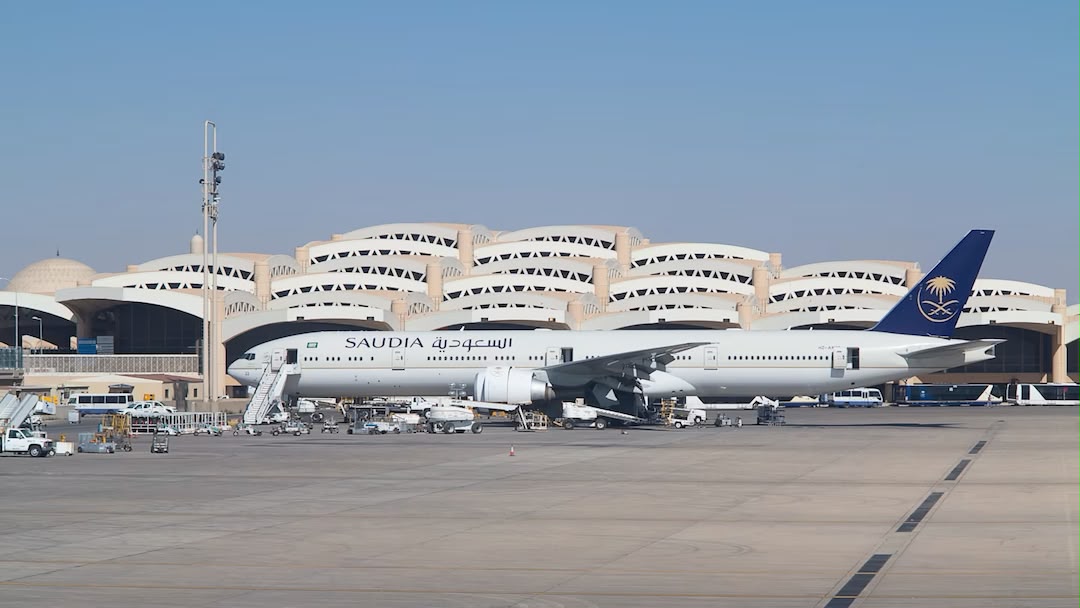
At least 12 killed, over 300 injured in Houthi attack on Saudi airport
The dead included four Saudis, two Bangladeshis and one resident each from the U.S., Egypt, Jordan, Syria, Palestine and Sudan.


