

DRC begins trial of vaccine candidates against Bundibugyo virus

The Democratic Republic of the Congo (DRC) has launched a pivotal Phase 2/3 clinical trial to evaluate vaccine candidates against Bundibugyo virus, after vaccinating the first participant.
Jodie Rogers, senior communications and advocacy manager at the Coalition for Epidemic Preparedness Innovations (CEPI), said this in a statement Friday.
The first participant was vaccinated on Friday in Bunia, DRC, marking the commencement of the Tumaini trial.
It aims to generate evidence on the safety, immune response and effectiveness of potential vaccines against the virus.
According to CEPI, the trial is designed to support the government-led response to the ongoing outbreak and address the absence of an approved vaccine specifically for Bundibugyo virus.
The trial begins as the DRC faces what CEPI described as the largest recorded Bundibugyo virus disease outbreak and the second-largest Ebola outbreak to date.
As of October 21, the country had recorded 9,552 cases and 4,602 deaths, according to figures cited in the statement.
The outbreak was declared on May 15 and subsequently designated a Public Health Emergency of International Concern by the World Health Organisation (WHO).
CEPI said the trial, named Tumaini, meaning “hope” in Swahili, would evaluate multiple vaccine candidates to establish whether they could safely and effectively protect people at risk of infection.
“The first candidate to enter the trial is Ervebo, a vaccine licensed for preventing Ebola virus disease caused by the Zaire ebolavirus species.
“However, its effectiveness against Bundibugyo virus in humans remains unknown, making the clinical trial important for generating evidence to guide future public health decisions.
“The trial will also evaluate two Bundibugyo-specific vaccine candidates being developed by Moderna and by the University of Oxford in collaboration with the Serum Institute of India. The two candidates, funded by CEPI, are expected to enter the study as they become available,” it said.
CEPI said the study would adopt an adaptive platform design, enabling several vaccine candidates to be assessed within a single clinical trial framework.
It said the approach was intended to save time during an outbreak by allowing researchers to evaluate multiple candidates under a coordinated protocol rather than conducting entirely separate studies.
The coalition said that no vaccine had yet been approved specifically for the Bundibugyo virus, adding that the effectiveness of the candidates under investigation will need to be established through rigorous clinical research.
“The selection of candidates for evaluation is being guided by an independent prioritisation process led by the WHO Technical Advisory Group on Candidate Vaccine Prioritisation.
“Corresponding protocol amendments are subject to approval by the DRC’s national regulatory authority. The Institut National de Recherche Biomédicale (INRB) and the University of Antwerp’s Global Health Institute are co-leading and co-sponsoring the trial, with the DRC Ministry of Health providing national leadership and oversight,” it said.
It said that a Trial Steering Committee was chaired by the ministry’s incident response manager.
According to CEPI, the committee will provide strategic oversight and ensure that the study remains aligned with the wider outbreak response and other investigations into medical countermeasures.
Steve Ahuka-Mundeke, incident manager of the Ebola Response in the DRC, said the priority remained stopping transmission and saving lives while ensuring that research was coordinated with frontline response activities.
Hugo Kavunga, co-sponsor and principal investigator at INRB, said vaccinating the first participant was an important milestone made possible by Congolese researchers, health workers and their partners.
Mr Kavunga said the study placed national scientific leadership at the service of the outbreak response, with the priority of establishing which vaccines could safely and effectively protect people at risk.
Jean-Pierre Van Geertruyden, co-sponsor and co-principal investigator at the University of Antwerp, said the trial brought together Congolese and international expertise to generate reliable evidence on vaccines against Bundibugyo virus.
Mr Van Geertruyden said the partnership was intended to support the immediate response while building knowledge to protect communities during future outbreaks.
Richard Hatchett, chief executive officer of CEPI, said the absence of a licensed vaccine against Bundibugyo virus had left affected communities and health workers without a specifically approved vaccine.
Mr Hatchett said the trial would help generate the evidence needed to determine whether candidate vaccines could safely and effectively protect those most at risk.
Chikwe Ihekweazu, executive director of WHO’s Health Emergencies Programme, said the trial represented a critical step towards determining whether the candidate vaccines could protect people against Bundibugyo virus.
Mr Ihekweazu said the adaptive platform and ring vaccination approach would provide a structured way to evaluate potential vaccines during an outbreak.
According to him, if successful, the trial could generate the first clear evidence of vaccine efficacy against Bundibugyo virus, potentially improving responses to the current outbreak and future epidemics.
Placide Mbala, director of research, clinical trials and innovation at Africa CDC, said the trial demonstrated the importance of African-led research in addressing public health challenges on the continent.
Mr Mbala said the initiative was aimed at generating high-quality scientific evidence to support the current response and strengthen preparedness for future epidemics.
CEPI is providing funding, scientific expertise and operational support, while WHO is contributing strategic, technical and scientific advice.
Other partners supporting implementation include Epicentre, Médecins Sans Frontières (MSF), the Institute of Tropical Medicine Antwerp (ITM) and Africa CDC.
The WHO has also adapted protocols developed through its Research and Development Blueprint to support the rapid establishment of the trial within the emergency response.
The trial is funded through CEPI’s Bundibugyo virus vaccine development programme.
The programme is backed by the European Commission, the United States Department of State, the Fund for Science and Technology, the Republic of Korea and CEPI’s core funding.
As part of the wider partnership, Gavi, the Vaccine Alliance, has committed up to 40 million dollars to support manufacturing readiness.
Gavi’s aim is to ensure that successful vaccines can be produced at scale once approved for deployment.
The trial is expected to provide evidence to guide decisions on vaccine use while strengthening scientific preparedness for future Bundibugyo virus outbreaks.
(NAN)

We have recently deactivated our website's comment provider in favour of other channels of distribution and commentary. We encourage you to join the conversation on our stories via our Facebook, Twitter and other social media pages.

More from Peoples Gazette

States
Independence: NBA urges Nigerians to expect better future
The NBA said that ordinary Nigerians should be deriving benefit from the subsidy removal rather than hardship.

Agriculture
FG tasks ECOWAS on leveraging financing strategies for agroecology
The federal government has urged stakeholders in the agriculture and finance sectors in the West Africa region to leverage financing strategies to enhance agroecology practices

Politics
Katsina youths pledge to deliver over 2 million votes to Atiku
“Katsina State is Atiku’s political base because it is his second home.”

Health
Domestic TB funding rose 14% to $5.6 billion, says WHO
WHO says domestic funding for TB rose 14 per cent to $5.6 billion between 2024 and 2025, helping sustain essential services despite declining international financing.
Africa
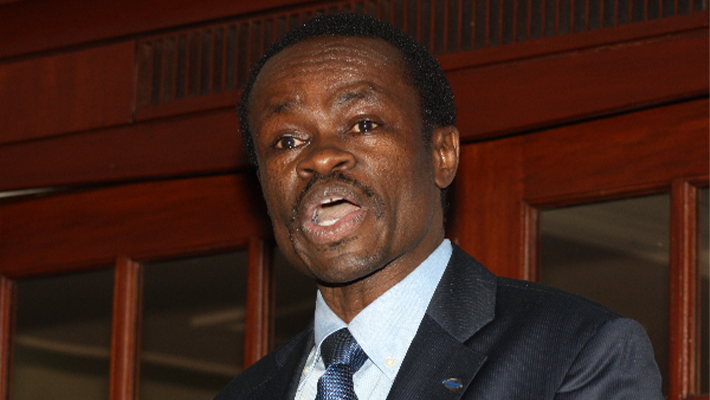
Lumumba urges Africans to defeat xenophobia, strengthen Pan-Africanism
Kenyan lawyer, scholar, and Pan-Africanist Patrick Lumumba has urged Africans to confront xenophobia with love, unity, and stronger economic cooperation.
States
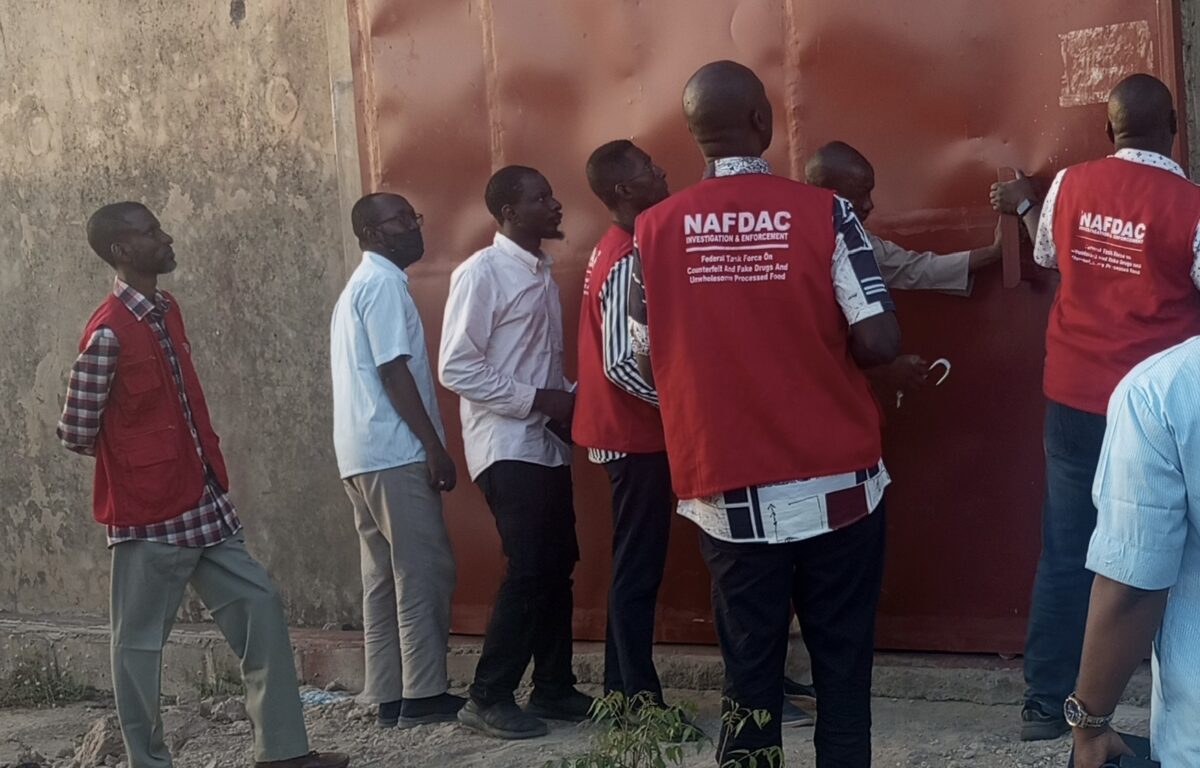
NAFDAC busts seals warehouses selling banned, hazardous chemicals
NAFDAC sealed off four warehouses and seized banned chemicals worth N560 million in Kano metropolis.
NationWide
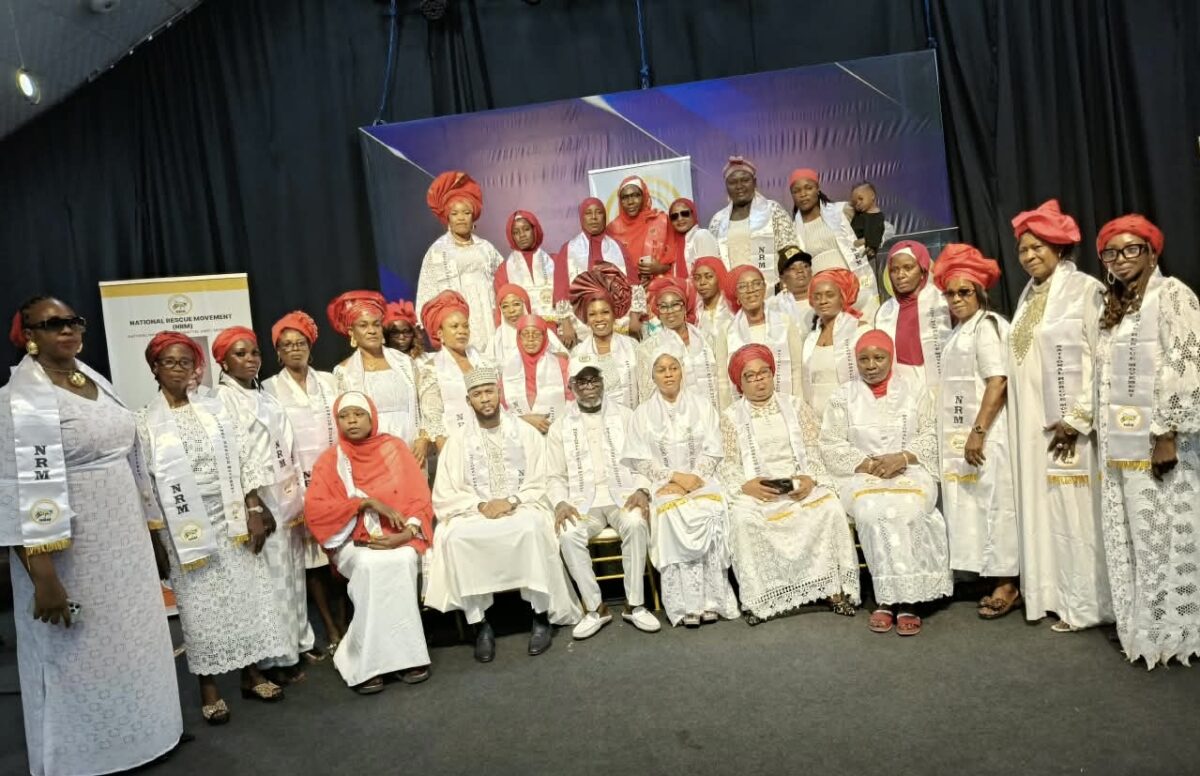
NRM, PDP call for greater women’s participation in 2027 elections
NRM and PDP have called for greater women’s participation and representation in Nigeria’s political leadership ahead of the 2027 elections.
Lagos
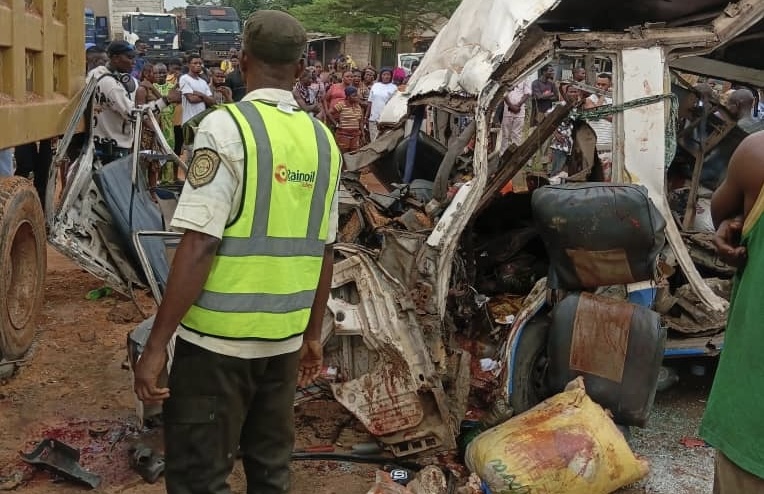
At least seven people killed in Lagos-Ibadan Expressway crash
At least seven people were killed and 11 injured in a road crash on the Lagos-Ibadan Expressway on Thursday.
Anti-Corruption
TRCN uncovers 250 fake certificates during recruitment
The Teachers Registration Council of Nigeria (TRCN) says it has uncovered 250 fake teaching certificates during a recruitment exercise.


