

Early screening, healthy diet key to fighting colon cancer: Oncologist
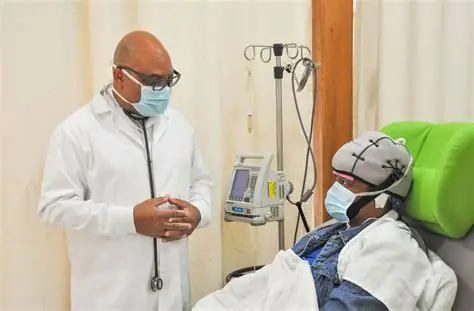
A consultant oncologist, Tolu Adebayo, has urged Nigerians to embrace early screening and healthier diets to reduce colon cancer cases and improve outcomes through timely diagnosis and treatment nationwide.
Mr Adebayo, who works at the State Hospital, Iwo, Osun, said this on Thursday regarding rising cancer cases in Osun.
According to him, the disease is increasing among adults under 50 due to lifestyle and late presentation, with patients often arriving at hospitals when the disease was already advanced and harder to treat.
“We are seeing patients in their 30s and 40s now. Many ignore early signs like blood in stool, persistent change in bowel habits, and abdominal pain until it is late,” he added.
The doctor listed major risk factors as family history, low-fibre diet, obesity, smoking, excessive alcohol, and inactive lifestyle, which can increase colon cancer risk, especially without regular screening and timely checkups.
“Too much red meat, suya, and processed foods with little vegetables and fruits is dangerous. Our colon needs fibre from jute leaves (ewedu), okra, beans, and fruits,” he said.
He shared the case of Risikat Olayemi, a 47-year-old trader at Oja Oba Market, who was diagnosed with cancer at stage three after ignoring symptoms for two years without treatment.
“She thought it was piles. By the time she came, we had to do surgery and chemotherapy. Early detection would have made it simpler,” he said.
Mr Adebayo advised Nigerians from age 45 to go for colonoscopy screening, especially with a family history of cancer or other recognised risk factors, and to follow guidance from qualified healthcare professionals without delay when appropriate.
He recommended 30 minutes of exercise, three times weekly, and limited alcohol intake, while encouraging people to avoid smoking and maintain a diet rich in vegetables, fruits, legumes, and whole grains.
“Prevention is simple. Eat fibre, exercise, stop smoking, and do not be shy to see a doctor. Colon cancer is treatable if caught early,” he advised. “We must break the silence around bowel health. Talk about it, check it, and treat it early.”
(NAN)

We have recently deactivated our website's comment provider in favour of other channels of distribution and commentary. We encourage you to join the conversation on our stories via our Facebook, Twitter and other social media pages.

More from Peoples Gazette

States
Independence: NBA urges Nigerians to expect better future
The NBA said that ordinary Nigerians should be deriving benefit from the subsidy removal rather than hardship.

Agriculture
FG tasks ECOWAS on leveraging financing strategies for agroecology
The federal government has urged stakeholders in the agriculture and finance sectors in the West Africa region to leverage financing strategies to enhance agroecology practices

Politics
Katsina youths pledge to deliver over 2 million votes to Atiku
“Katsina State is Atiku’s political base because it is his second home.”

World
UK, Canada, Germany, five others reaffirm support for ICC after Trump imposes sanctions
Mr Trump sanctioned the ICC on Friday, shortly after former judge Navanethem Navi Pillay won the 2026 Nobel Peace Prize.

States
2027: Kwara North traditional rulers pledge massive votes for APC
Mr Bologi said the meeting was to plead with President Bola Tinubu and the federal government to support their agenda.

States
Police assure parties, candidates of security ahead of Kogi LG polls
The police boss said the command had mapped out strategies to ensure peaceful elections.
States
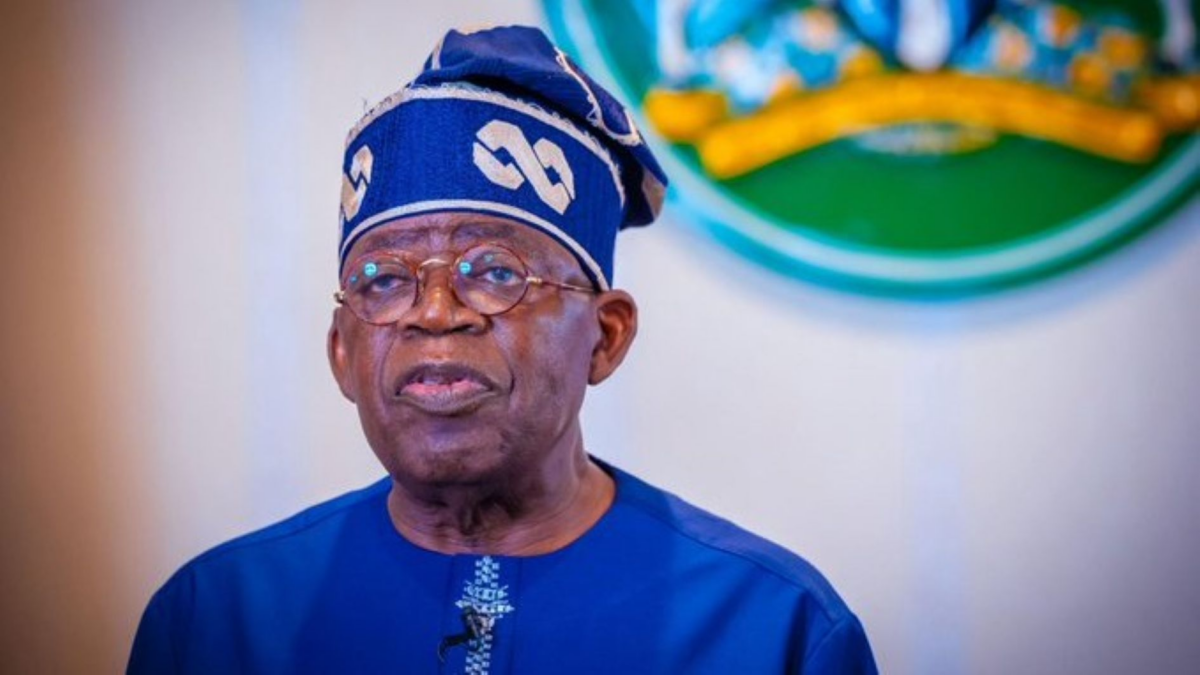
Bayelsa: APC group takes Tinubu’s re-election sesitisation to Nembe, Brass
Mr Sam urged eligible voters in the communities to participate actively in the 2027 presidential election.

States
Forum pledges support for Bago’s administration
According to the minister, the forum’s support for the governor was non-partisan
States
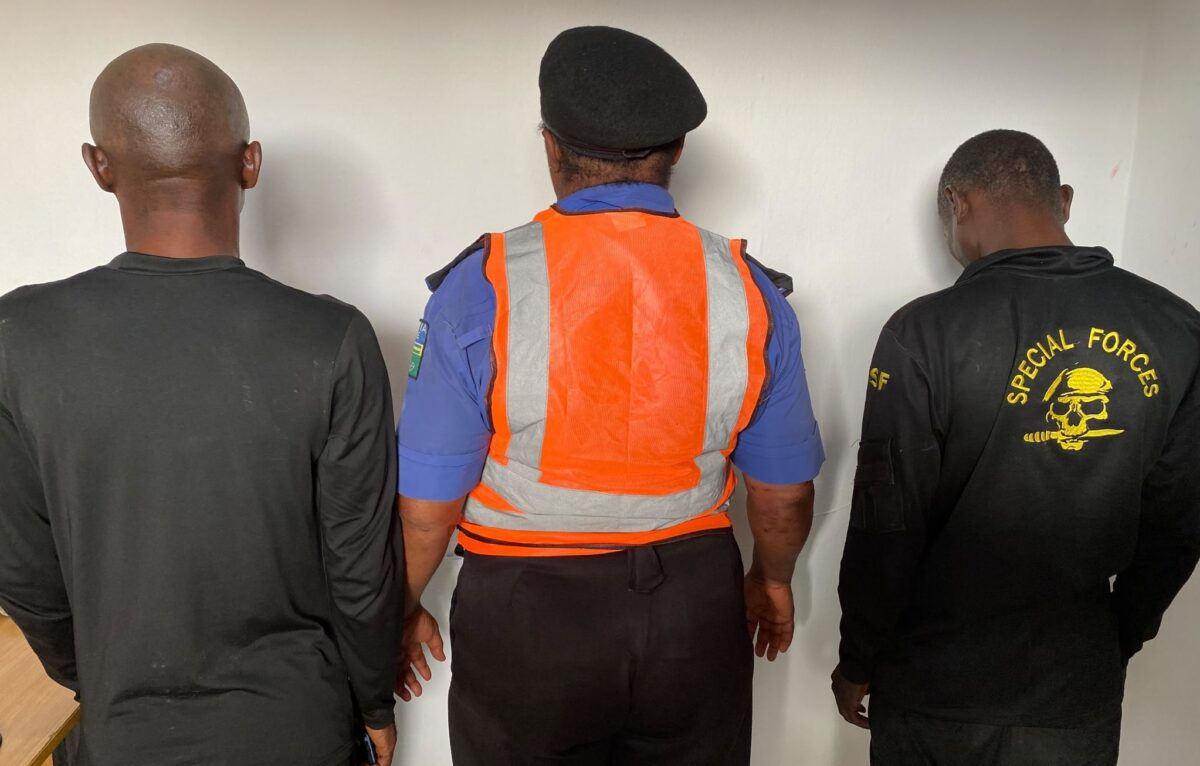
Imo police detain inspector, two civil guard officers over N15,000 extortion
The motorist accused the officers of extorting N15,000 from him for parking wrongly while his mechanic was test-running his vehicle.


