

ECOWAS, MSME collaboration excites regional entrepreneurs

West African entrepreneurs under the aegis of ECOWAS Small Business Coalition (ESBC) say their collaboration with ECOWAS is crucial to achieving individual, group and subregional economic integration goals.
The entrepreneurs spoke in separate interviews on the sidelines of ESBC’s inaugural exhibition and workshop in Abidjan, Ivory Coast.
According to them, collaboration will ensure a positive interface between the ECOWAS body and entrepreneurs towards meeting regional and global standards and practices in their businesses.
Amina Suleiman, CEO of MINALADI Enterprises, a Nigerian fashion designer and manufacturer appointed an ESBC ambassador, said collaboration was their strength.
Sylviane Kone, from Ivory Coast, a former ECOWAS director of human resources and now managing director of AGS Group, an Abidjan-based food processing consultancy firm, stressed the need for entrepreneurs to collaborate.
She said that the essence of ESBC was to facilitate economic integration by harmonising the processing of MSMEs’ goods to produce standard products.
Mahamadou Kinta, CEO of Kinta Enterprises and president of the SMEs coalition in Mali, said the event was an opportunity to bring West African entrepreneurs together to agree on business models that would culminate in growing their economies.
Mr Kinta noted that Mali was facing serious security challenges, which inhibited the free movement of goods and people, stressing that such was inimical to economic integration.
He urged ECOWAS and the African Union to resolve the issues because they could block the process of subregional integration.
Assetou Djibo, an entrepreneur from Ouagadougou, Burkina Faso, said collaboration among ESBC members was crucial to boosting their economic growth and achieving the objectives of ECOWAS economic integration.
Ebiekure Eradiri, president of the All Africa Association of MSMEs, said standardising MSME products by ensuring that they are “concurrent, uniform and acceptable” across the subregion was key to the ESBC’s success.
Loido Monteiro from Cape Verde, CEO of Smart Cities Project and ESBC Vice President, said the coalition aimed to collaborate to bring their products to new markets within ECOWAS and the world.
She said that through partnerships with other companies, they would grow their markets and companies, create jobs and produce ECOWAS’ future millionaires.
(NAN)

We have recently deactivated our website's comment provider in favour of other channels of distribution and commentary. We encourage you to join the conversation on our stories via our Facebook, Twitter and other social media pages.

More from Peoples Gazette

Agriculture
FG tasks ECOWAS on leveraging financing strategies for agroecology
The federal government has urged stakeholders in the agriculture and finance sectors in the West Africa region to leverage financing strategies to enhance agroecology practices

Politics
Katsina youths pledge to deliver over 2 million votes to Atiku
“Katsina State is Atiku’s political base because it is his second home.”

Health
Veterinarians urge renewed commitment to preventing deaths from rabies
Blueblood Veterinary Services has recommended stronger integrated surveillance linking veterinary and human health systems to prevent and eradicate rabies.
NationWide
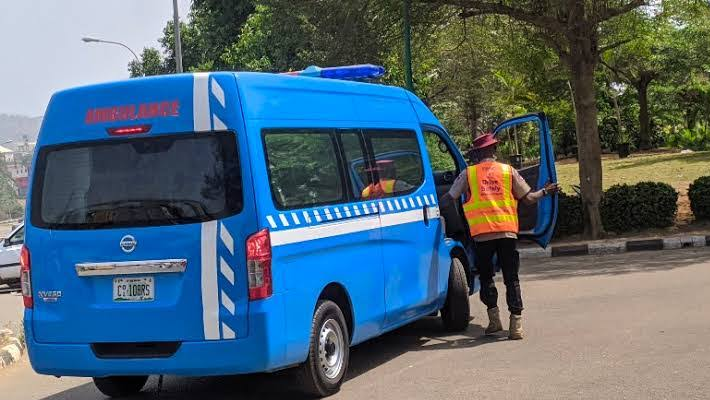
Road Crashes: FRSC deploys 170 ambulances nationwide for emergency rescue
The Federal Road Safety Corps has deployed more than 170 ambulances nationwide to strengthen emergency response and rescue operations on Nigerian roads.
Opinion
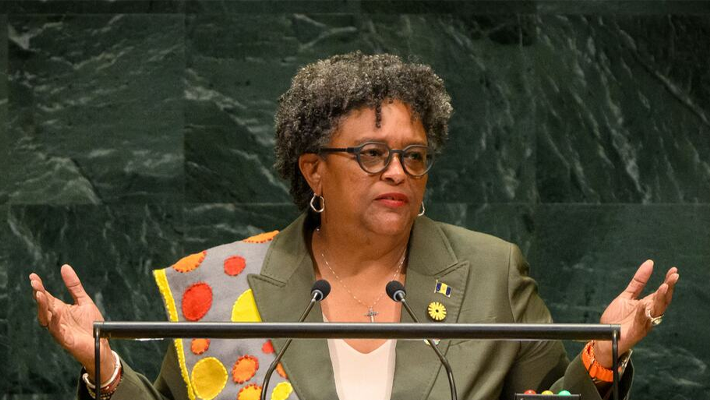
The Black Queen of Hearts: Why Mia Mottley captures the global spirit
For Africa and its diaspora, Mottley now represents something larger than the politics of Barbados.

Showbiz
Kogi moves to harness tourism, digital technology for growth
Kogi is exploring digital technology, artificial intelligence and investment opportunities to transform its tourism sector and harness its vast cultural and historical assets.
Africa
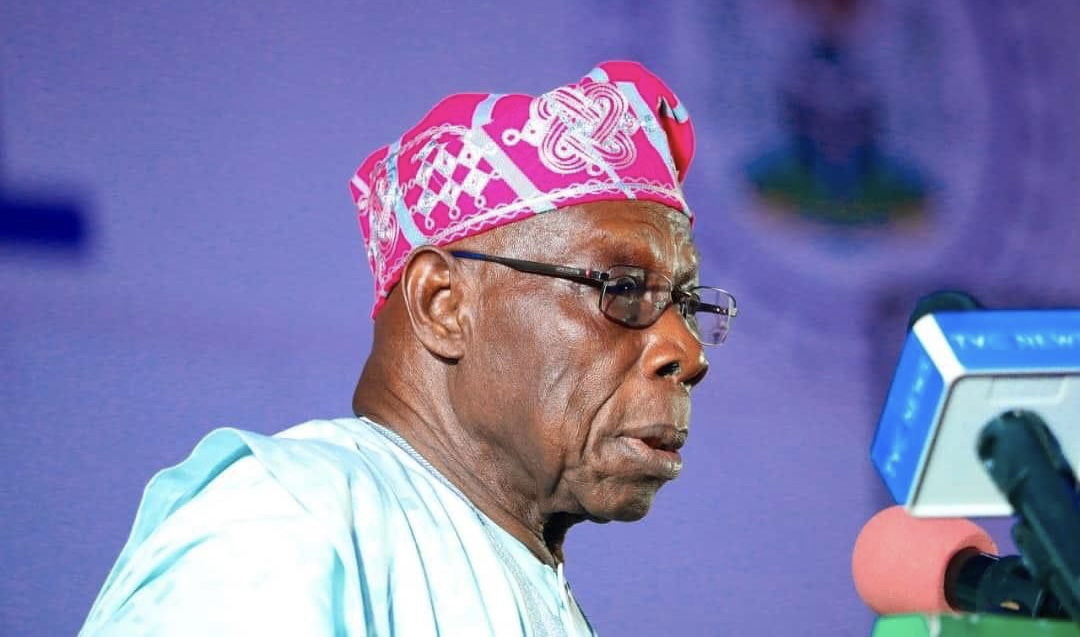
UN chief backs Obasanjo-led AU’s renewed peace efforts in Ethiopia
Mr Guterres endorsed the African Union’s mediation led by Olusegun Obasanjo as escalating fighting in northern Ethiopia raises fears of a broader conflict.

Sport
Super Eagles arrive in Bissau ahead of AFCON 2027 qualifier
Only the group winner will secure an AFCON 2027 qualification ticket, with Tanzania already qualified as a co-host.


