

Eid-el-Kabir: Rising transport costs push up ram prices

Some livestock traders in Lagos have attributed the increase in the prices of rams and cows for Eid-el-Kabir to rising fuel prices and transportation costs.
The traders said on Wednesday that the cost of transporting livestock from Northern Nigeria to Lagos has risen significantly in recent months.
A livestock dealer at the Idi-Araba ram market, Musa Ibrahim, said transporters now charge much higher fees to convey animals to Lagos.
He said, “Before now, transporters charged between N600,000 and N700,000 to bring trucks of rams to Lagos, but now they demand as much as N1.2 million because of fuel prices and road challenges.
“The increase has affected the prices of rams and cows in the market because we also need to recover our costs.”
Another trader, Sulaiman Abdullahi, said the high cost of transportation, animal feed and insecurity along major roads had negatively affected the livestock business.
According to him, many buyers complain daily about the prices, while sellers are also struggling with rising operational costs.
“The market is not easy for both sellers and buyers. Everything involved in transporting and keeping these animals has become expensive,” he said.
Some Muslims also expressed concern over the rising prices, saying many families were finding it difficult to afford livestock for the Eid sacrifice.
A civil servant, Babajide Olusola, said he bought a medium-sized ram for N550,000, compared with about N450,000 for a similar ram last year.
“Everything has increased this year. The sellers explained that transportation alone now costs almost double what they used to pay before fuel prices went up,” he said.
Also, Rukayat Bello said she and her husband spent about N1.8 million on a cow for the celebration.
According to her, many families now consider sharing cows with relatives and neighbours because individual rams have become too expensive.
“People still want to observe the religious sacrifice, but the high prices are making things difficult for many households,” she said.
Eid-el-Kabir, also known as the Festival of Sacrifice, is one of the major Islamic celebrations observed by Muslims worldwide.
(NAN)

We have recently deactivated our website's comment provider in favour of other channels of distribution and commentary. We encourage you to join the conversation on our stories via our Facebook, Twitter and other social media pages.

More from Peoples Gazette

States
Independence: NBA urges Nigerians to expect better future
The NBA said that ordinary Nigerians should be deriving benefit from the subsidy removal rather than hardship.

Agriculture
FG tasks ECOWAS on leveraging financing strategies for agroecology
The federal government has urged stakeholders in the agriculture and finance sectors in the West Africa region to leverage financing strategies to enhance agroecology practices

Politics
Katsina youths pledge to deliver over 2 million votes to Atiku
“Katsina State is Atiku’s political base because it is his second home.”

Politics
PDP coalition unveils Tinubu’s re-election campaign timetable in Bayelsa
The inauguration of the Bayelsa Rainbow Coalition Council is scheduled for November 9.
Heading 2
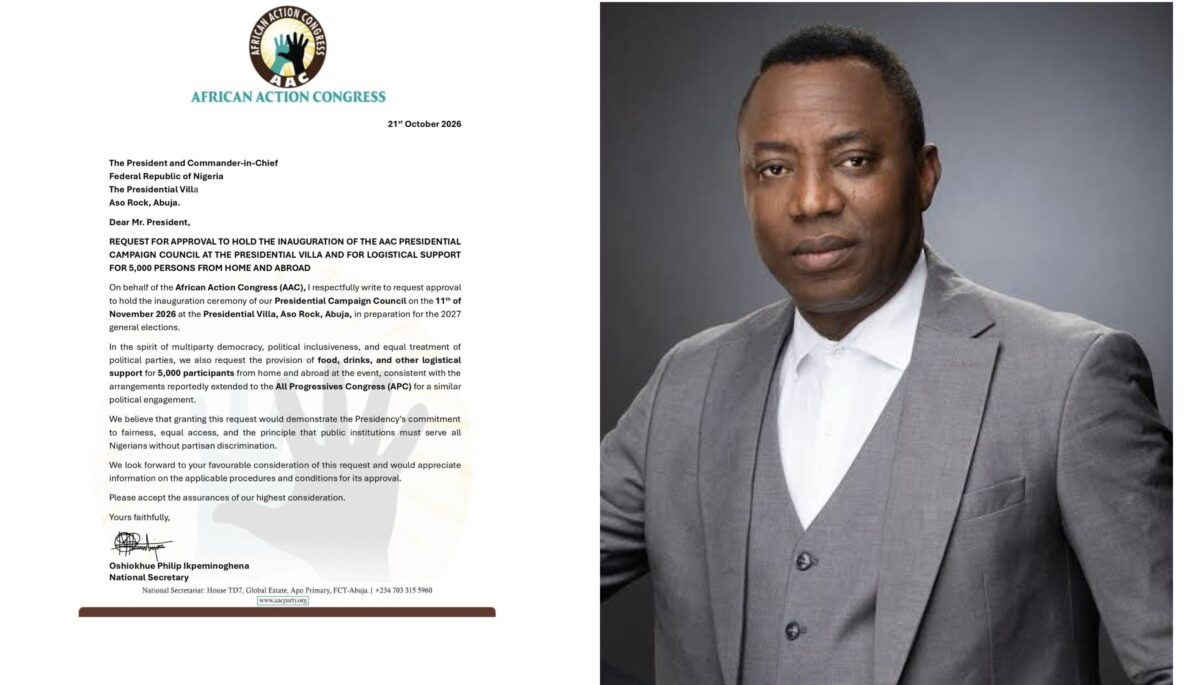
Sowore’s AAC writes Tinubu for approval to hold campaign inauguration at Presidential Villa
The party also requested food, drinks and other logistical support for 5,000 participants expected to attend the event from within and outside Nigeria.
NationWide
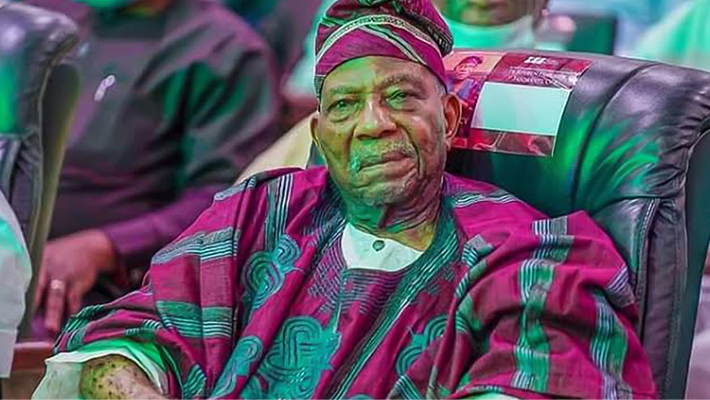
Fasoranti’s death loss to Yoruba race, Nigeria: Ooni
The Ooni extended his heartfelt condolences to the Fasoranti family.

Politics
Bayelsa, South-South governors condole Uduaghan family
The Bayelsa government and the South-South Governors Forum condoled with the government and people of Delta on the demise of former Governor Emmanuel Uduaghan.

Abuja
WHO confirms Bundibugyo Ebola strain in Nigeria
World Health Organisation has confirmed that the female patient presenting with Ebola virus in Nigeria is carrying the Bundibugyo strain.

States
Lagos APC campaign council mourns Fasoranti
The council said the principles remained enduring pillars of democratic development and responsible leadership.


