

#EndSARS: Lagos panel faces long deadlock without quorum
![The Lagos panel of inquiry on #EndSARS. [CREDIT: Bella Naija]](https://gazettengr.com/wp-content/uploads/Lagos-panel-of-enquiry.jpg)
Two #EndSARS organisers sitting on the Lagos panel of inquiry boycotted the panel’s hearing on Saturday to protest the central bank’s clampdown on the movement. The hearing was quickly adjourned for lack of quorum.
A quorum is a minimum number of a panel’s members who must be present for the panel to legally function.
The Lagos Tribunals of Inquiry Law says the state governor must specify the panel’s quorum in an instrument.
In this case the instrument and the actual quorum have not been made public, but panel chair Doris Okuwobi indicated that the quorum is greater than six, meaning at least seven out of the panel’s eight members must be present or else the panel will not be able to sit.
“We don’t want a situation where proceedings would go on and later it is impugned with controversy for lack of quorum,” Ms. Okuwobi said before Saturday’s adjournment.
Oluwarinu Oduala and Temitope Majekodunmi are the two #EndSARS organisers on the panel. They boycotted the day’s hearing and have said they will continue this boycott until the government clarifies restrictions on the bank accounts for #EndSARS activists.
Last month the central bank began instructing banks to freeze accounts associated with the #EndSARS movement. One media company Gatefield says its Access Bank account was frozen on October 15 for its funding of #EndSARS press coverage. That was three weeks before the central bank got a court order to direct banks to freeze accounts for Ms. Oduala, who is on the Lagos panel, and 18 other #EndSARS activists.
“We find it dishonourable that the same government that claims to seek justice would unjustly oppress citizens at the same time,” Ms. Oduala and Mr. Majekodunmi jointly said in their statement on Saturday.
“We also demand that the government gives justification for their ongoing investigation to the masses. Until this is done, the youth representatives will be absent from the panel sittings.”
A high quorum is common for panels that have been set up in Lagos using the Tribunals of Inquiry Law. In 2001, a panel to probe civil unrest in Kosofe had five members. The quorum was four.

We have recently deactivated our website's comment provider in favour of other channels of distribution and commentary. We encourage you to join the conversation on our stories via our Facebook, Twitter and other social media pages.

More from Peoples Gazette

Agriculture
FG tasks ECOWAS on leveraging financing strategies for agroecology
The federal government has urged stakeholders in the agriculture and finance sectors in the West Africa region to leverage financing strategies to enhance agroecology practices

Politics
Katsina youths pledge to deliver over 2 million votes to Atiku
“Katsina State is Atiku’s political base because it is his second home.”
States
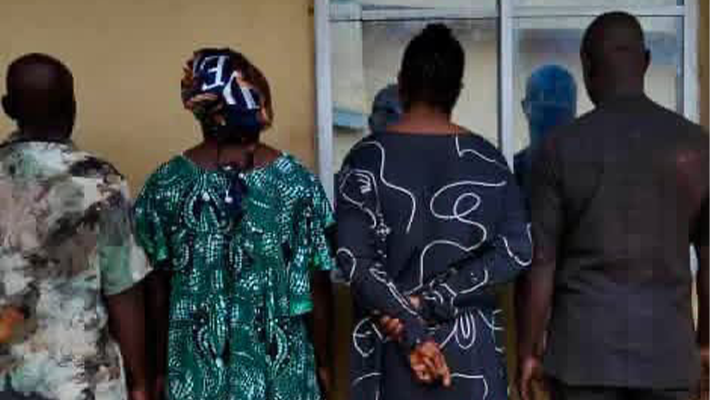
Police nab four suspects for alleged child trafficking in Abia
Ms Chinaka said the suspects allegedly conspired to steal a four-day-old baby from her mentally unstable mother.
Agriculture
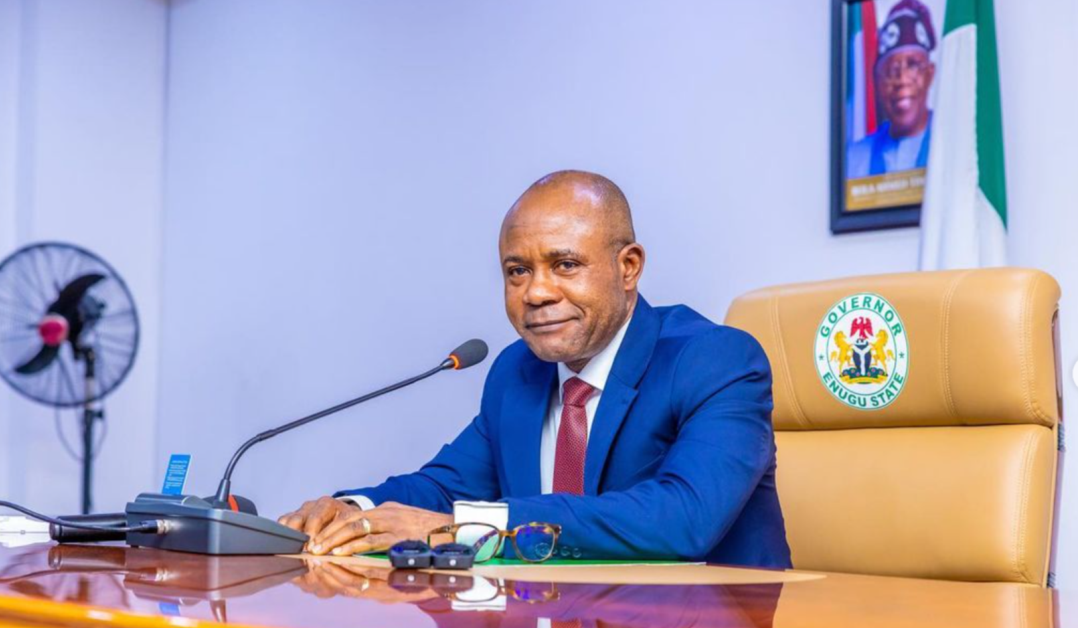
Enugu hires over 160 professionals to revive livestock production
Mr Ubru said the recruitment was in fulfilment of Governor Peter Mbah’s vision to revamp the agricultural sector.

Heading 2
Plateau government disburses N1.5 billion intervention funds to attack victims
Governor Caleb Mutfwang formally inaugurated the disbursement of the funds on Monday in Jos.

Heading 5
Don’t destroy APC like you did PDP, group warns Wike
Mr Wike has insisted that his major political priority remained securing the re-election of Mr Tinubu in 2027.

Heading 1
Atiku condemns Tinubu’s prolonged vacation abroad, says Nigeria can’t be governed on autopilot
Mr Onanuga said that the president would return to the country at the weekend.
Economy
ECOWAS to honour 60 West African start-ups
The top three start-ups will receive $30,000, $20,000 and $15,000 respectively in seed funding.


