

Enforcement against foreign bribery hits historic low: Transparency International

Transparency International report: Enforcement against foreign bribery hits historic low
Exporting Corruption 2022 finds only two of 47 top exporting countries actively enforce against cross-border bribery
Berlin, 11 October 2022 – Countries’ enforcement against foreign bribery has dropped to its lowest level since Transparency International began this measurement in 2009, according to a new report on 47 of the world’s biggest exporters released today.
Foreign bribery wreaks havoc in countries around the world, illicitly channelling public money into private profits and buying undue influence over government decision-making for major multinationals. In countries from Brazil to Malaysia to Mozambique, these criminal acts deal major blows to vulnerable public institutions and economies. With the OECD Anti-Bribery Convention 25th anniversary this year, and as the working group charged with its monitoring is set to meet Tuesday, foreign bribery enforcement faces major setbacks.
Exporting Corruption 2022 assesses 43 signatories to the Convention along with China, India, Hong Kong SAR and Singapore. The report finds that enforcement continues on the alarming downward trend of recent years. Now just two countries – Switzerland and the United States, making up only 11.8 per cent of global exports – are considered “active enforcers” that investigate, charge and impose sanctions commensurate with their share of exports.
Delia Ferreira Rubio, chair of Transparency International said:
“Governments today are faced with many challenges – from rising kleptocracy to climate disaster and economic turmoil. But leaders must not lose sight of the cross-border corruption that exacerbates these threats and blocks solutions. Corrupt transnational networks of businesses and their enablers leave a trail of harm – pushing out competitors, bypassing regulations and draining public budgets of resources. With rampant bribery in foreign public markets, illicit profits are secured at the expense of economic development, democracy and human rights.”
Countries everywhere failing on commitments
The COVID-19 pandemic significantly disrupted global economic activity, and undoubtedly impacted countries’ ability to meet their obligations to enforce against foreign bribery criminality – but the downward trend in enforcement began in 2018. From the inception of our categories in 2009, the percentage of global exports coming from “active enforcers” had remained above 20 per cent – nearly twice this year’s percentage – until it began to drop in 2020.
Two former active enforcers – including the United Kingdom with 3.4 per cent of global exports, and Israel – dropped this year into moderate enforcement. Additionally, seven other countries dropped in their levels of enforcement. Even the world’s strongest performer the US, while remaining in the “active” category, pursued significantly fewer cases in 2021.
Most of the surveyed countries have limited or no enforcement at all – including China, the world’s top exporter. In this group of 38 countries, accounting for 55 per cent of all global exports, foreign bribery abuses go unpunished.
Serious inadequacies persist in laws and justice systems in every country, hampering enforcement. In many, investigative bodies have inadequate resourcing and independence. Whistleblowers lack key protections. Few governments publish sufficient information on pending or concluded foreign bribery cases, stymying accountability to citizens, partner countries and the people harmed – who deserve the opportunity for recourse.
The path forward
Two countries stepped up their efforts since the previous report – Latvia and Peru. Though they comprise small shares of global exports, both are relatively new signatories (in 2014 and 2018 respectively), so this progress is encouraging.
Globally, there is also some cause for optimism.
The courageous work of investigative journalists, whistleblowers and NGOs in uncovering egregious cross-border cases has made up some ground left by the inaction of major exporters. The recent revision of the global standard on beneficial ownership transparency opens more opportunities for effective detection and investigation of abuses by shady actors.
Enforcement agencies are also beginning to cooperate more closely, which is key to success in many complex cross-border cases. In the infamous 1MDB case, Malaysia, Singapore, the UK and the US worked together to obtain US$2.3 billion in penalties and US$606 million in disgorgement.
Gillian Dell, head of conventions at Transparency International and lead author of the report, said:
“Even in countries that do enforce, foreign bribery continues to be treated as a victimless crime. This means states whose companies commit crimes abroad fill their treasuries with multimillion dollar penalties while victims are left to bear the cost. It is time to recognise victims’ rights by developing transparent and accountable mechanisms to compensate those harmed, including foreign states, business competitors and whole populations suffering from foreign bribery. This is essential to achieve justice and deter future violations.”
For more information on the state of enforcement, individual country cases and recommendations for the world to improve, see the full report: Exporting Corruption.

We have recently deactivated our website's comment provider in favour of other channels of distribution and commentary. We encourage you to join the conversation on our stories via our Facebook, Twitter and other social media pages.

More from Peoples Gazette

States
Independence: NBA urges Nigerians to expect better future
The NBA said that ordinary Nigerians should be deriving benefit from the subsidy removal rather than hardship.

Agriculture
FG tasks ECOWAS on leveraging financing strategies for agroecology
The federal government has urged stakeholders in the agriculture and finance sectors in the West Africa region to leverage financing strategies to enhance agroecology practices

Politics
Katsina youths pledge to deliver over 2 million votes to Atiku
“Katsina State is Atiku’s political base because it is his second home.”

Heading 2
Court overrules El-Rufai’s objection to DSS forensic witness
Mr El-Rufai arrived at court amid heavy security, accompanied by his wife and Isa Kudan, the ADC governorship candidate in Kaduna State.
World
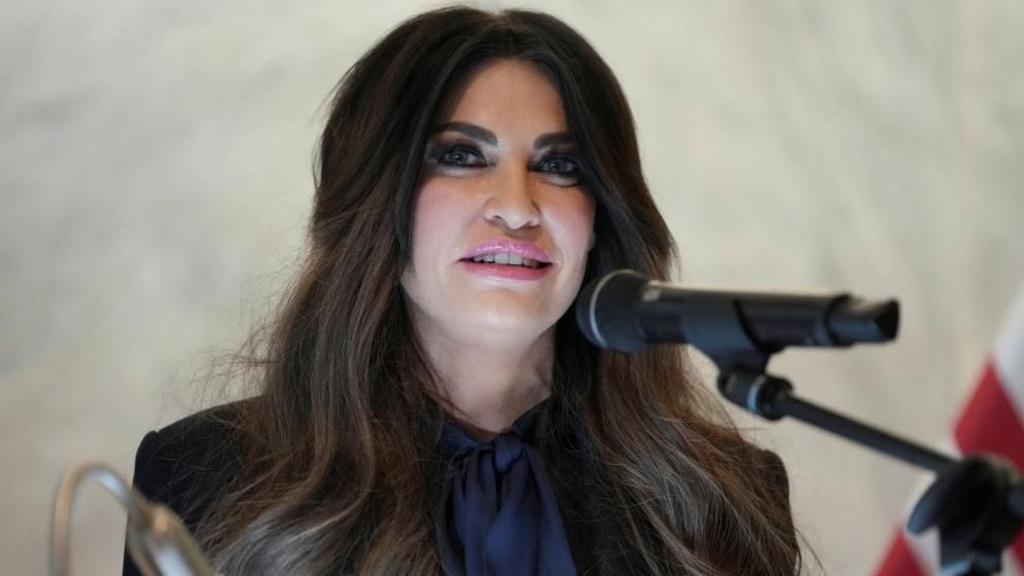
Trump fires U.S. ambassador Kimberly Guilfoyle after allegations she demanded money from donor
Mr Trump had said he was considering firing Ms Guilfoyle amid allegations that she demanded $100,000 from a political donor
States
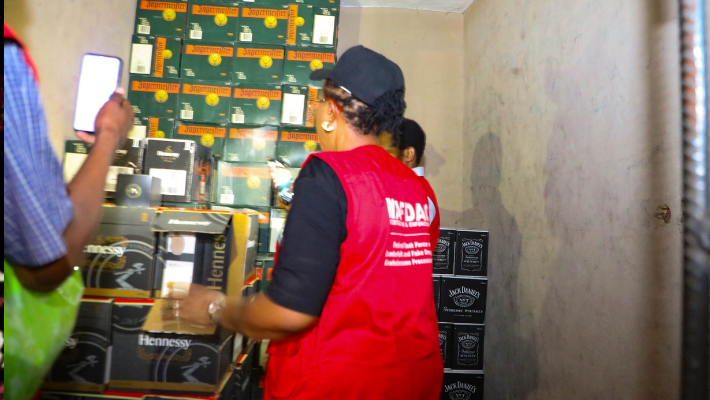
NAFDAC nabs two suspects over counterfeit alcoholic beverages in Lagos
NAFDAC said the suspects also revalidated expired and unsafe beverages for resale and stockpiled banned imported products.
States
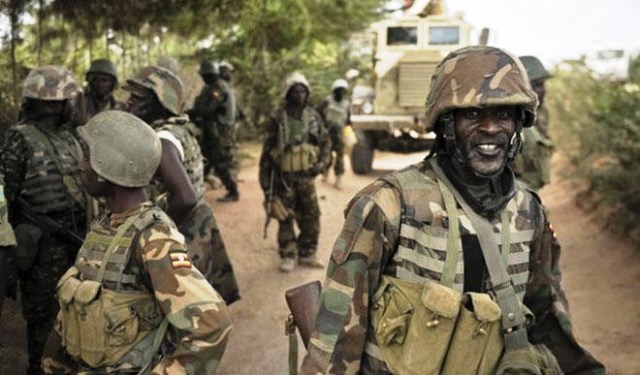
Troops arrest suspected arms racketeers in Anambra
The army added that the suspects are currently in the custody of the 302 Artillery Regiment for further investigation.

World
Pope Leo XIV diagnosed with lung cancer after surgery: Vatican
The Vatican on Tuesday said Pope Leo XIV’s surgery to remove a nodule from his lungs confirms he has cancer.
Hot news Home top
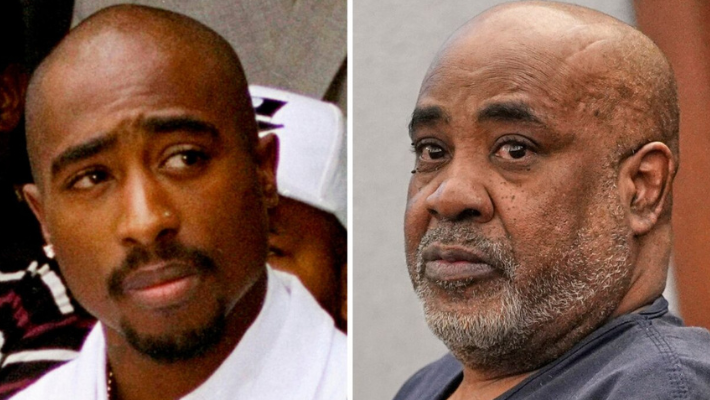
63-year-old Duane ‘Keffe D’ Davis sentenced to 40 years for murder of Tupac
Shakur was killed in a drive-by shooting in Las Vegas while he visited the city to see a Mike Tyson boxing bout.


