


Ex-army chief Agwai urges broader approach to conflict resolution
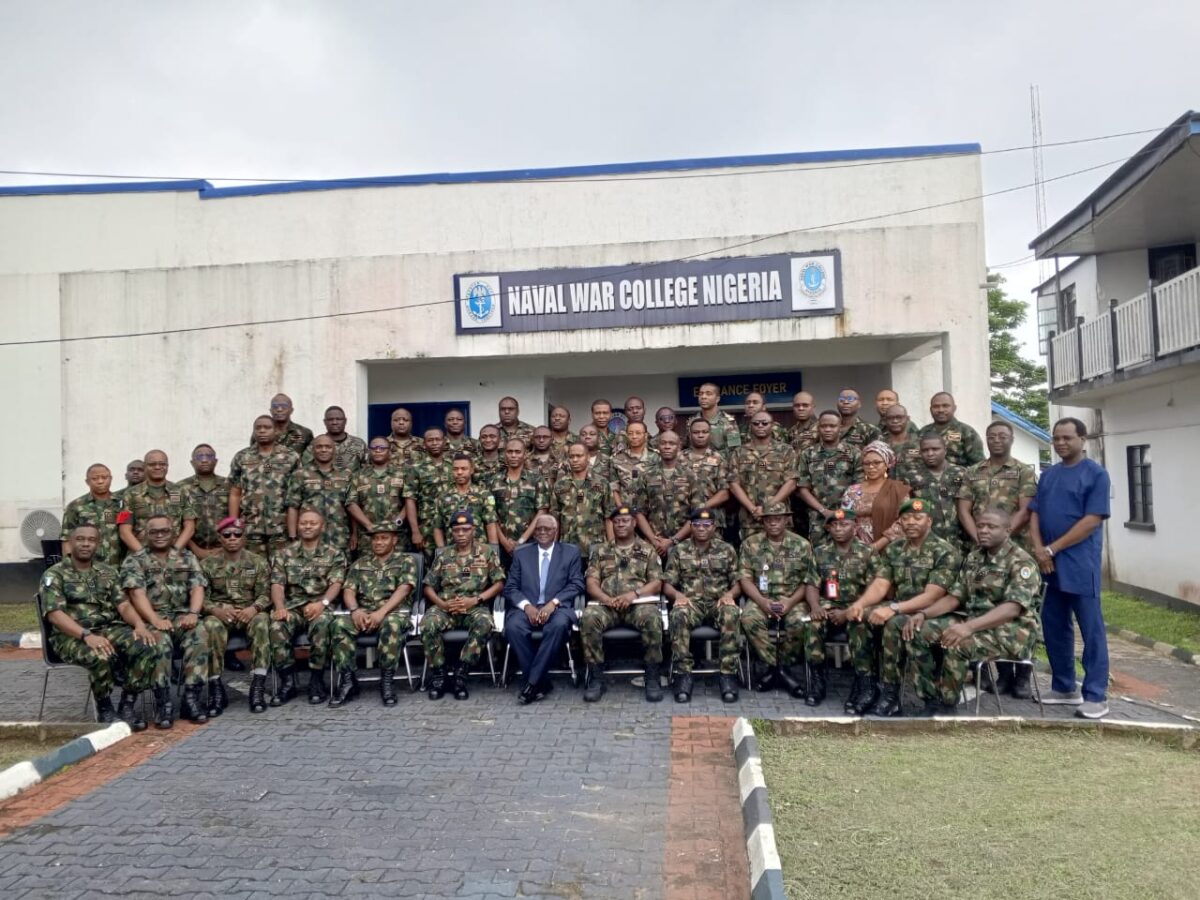
A former Chief of Defence Staff, Martin Agwai (rtd.), says defeating an adversary on the battlefield does not necessarily amount to victory if the grievances that triggered the conflict remain unresolved.
Mr Agwai said this while delivering a lecture titled “Introduction to Conflict Resolution Mechanism” to participants of Naval Warfare Course 10 at the Naval War College Nigeria on Friday in Calabar.
The former chief of army staff said military intervention could become necessary in confronting violent conflicts but cautioned against treating military victory or the cessation of hostilities as synonymous with sustainable peace.
According to him, lasting peace can only be achieved when the political, social and structural grievances underlying conflicts are deliberately addressed.
He said the ultimate objective of conflict resolution should be to move societies “away from destructive confrontation towards constructive engagement”, stressing that the absence of violence was not, by itself, evidence of sustainable peace.
Mr Agwai, who has extensive experience in international peacekeeping operations, said repeated military engagements could fail to end conflicts where the underlying causes remained unattended.
He urged security professionals to understand the difference between conflict, crisis, violence and war, noting that each required a response appropriate to its character and level of escalation.
“Not every conflict becomes violent, and not every violent situation requires the same resolution mechanism,” he said.
The former military chief identified early warning and early response as critical tools for preventing conflicts from escalating into violence.
He said authorities should be able to identify emerging tensions and deploy dialogue, mediation, community participation and political engagement before disputes degenerate into armed confrontation.
Mr Agwai said that where prevention failed, mechanisms such as ceasefires, negotiations, mediation, peacekeeping, separation of forces and humanitarian intervention could be used to contain violence.
He stressed, however, that containment should not be mistaken for resolution, arguing that genuine conflict resolution must address the root causes of disputes and produce outcomes acceptable to the parties involved.
The retired general also introduced participants to the concept of conflict transformation, which he said goes beyond simply stopping violence to changing the relationships, structures, and conditions that sustain conflicts.
He described negotiation as one of the most effective mechanisms for resolving conflicts because it enabled disputing parties to communicate directly, understand each other’s interests and take ownership of agreements reached.
“There is no single formula for resolving conflicts.
“Several mechanisms might have to be combined depending on the nature and circumstances of a particular conflict,” he said.
Drawing from his peacekeeping experience, including his service as deputy force commander of the United Nations Mission in Sierra Leone, Mr Agwai said military professionals must recognise the limitations of force in achieving lasting peace.
He said the lecture was designed to combine academic knowledge with practical lessons from decades of military and international peace-support operations.
The Commandant of the Naval War College, Nigeria, Mohammed Muye, described the lecture as “academy plus experience”, noting that Mr Agwai’s decades of military and international service made him an exceptional resource person.
Mr Muye commended the retired general for his sacrifices and courage during peace-support operations, particularly his engagements with conflict parties and rebels in difficult environments.
He said the Naval War College would continue to draw from Mr Agwai’s experience in preparing younger military officers and future strategic leaders.
(NAN)

We have recently deactivated our website's comment provider in favour of other channels of distribution and commentary. We encourage you to join the conversation on our stories via our Facebook, Twitter and other social media pages.

More from Peoples Gazette

Agriculture
FG tasks ECOWAS on leveraging financing strategies for agroecology
The federal government has urged stakeholders in the agriculture and finance sectors in the West Africa region to leverage financing strategies to enhance agroecology practices

Politics
Katsina youths pledge to deliver over 2 million votes to Atiku
“Katsina State is Atiku’s political base because it is his second home.”
World
U.S. sanctions 10 individuals over Hezbollah cash smuggling network
The sanctions were imposed under Executive Order 13224, the U.S. counterterrorism authority.
States
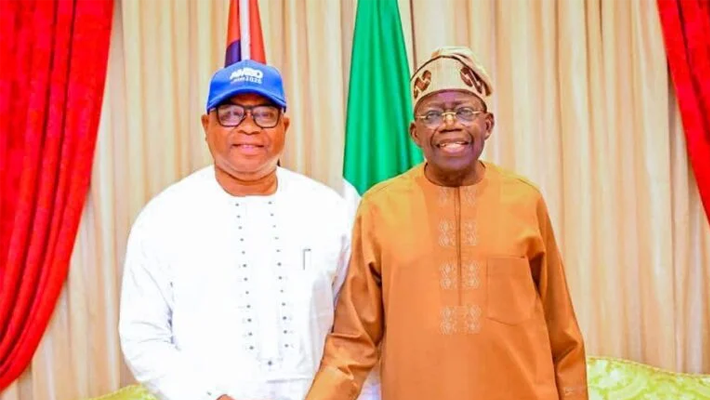
Oyebamiji meets Tinubu after Osun election loss, calls for peace
Mr Oyebamiji appealed to his supporters to remain peaceful, adding that the APC was still reviewing the poll before making a decision.

Rights
Residents urge government to rescue 78 abducted Borno schoolchildren
The secretary of Hawul Askira-Uba Elders’ Forum, Malla Gadzama, said the abductees had spent a total of 101 days in captivity.

Sport
Nigeria beat Egypt, reach African Beach Volleyball quarter-finals
Nigeria will qualify for the Los Angeles 2028 Olympic Games if the team wins gold in the women’s category.

States
SCI inaugurates block of classrooms, water project in Adamawa
Save the Children International (SCI) inaugurated a renovated block of classrooms and water projects at Ngurore and Wuro-Chekke Primary Schools in Yola South LGA.

World
Iran develops plant-based alternatives to chemical pesticides
The new product is part of a broader effort in Iran to expand biological pest-control technologies and reduce reliance on chemical treatments.


