

Excess crude account now $376,655 from $2.1 billion handed over to Buhari’s regime
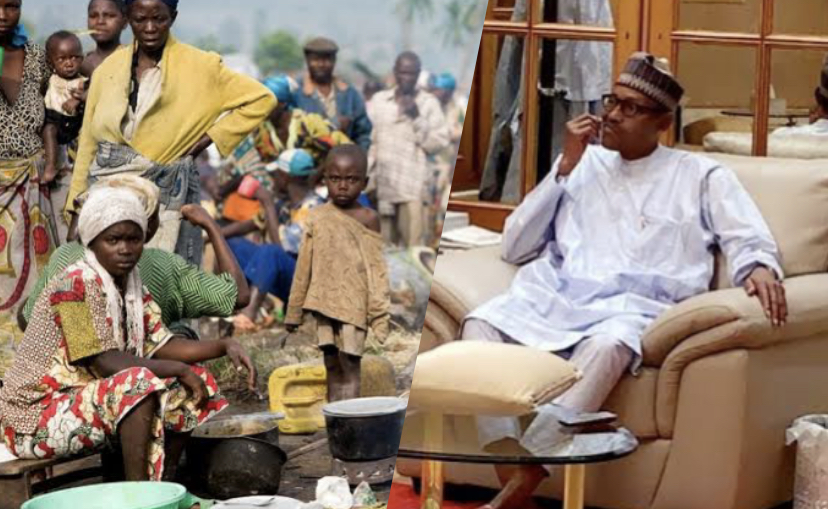
Nigeria’s Excess Crude Account (ECA) has been drastically depleted under the Muhammadu Buhari regime, falling from over $2 billion left by former President Goodluck Jonathan in 2015 to $376,655.
The Buhari regime disclosed this in a communiqué released following the FAAC meeting for July 2022, held in Abuja on Tuesday, but did not provide an explanation for the sharp decrease in the ECA funds.
The ECA fell as federal, state, and local government allocations increased by N121.624 billion in June, while FAAC shared a total of N802.407 billion.
The ECA is meant to be a savings cushion that stabilises government revenue and acts as a lifeline for the economy in difficult times.
According to the communique, total deductions for cost of collection was N44.606 billion and deductions for transfers, savings, refunds and 13 per cent derivation to Anambra State was a total sum of N373.200.
The ECA balance which stood at $60 million in October 2021, and fell to $35.8 million in January, has nosedived further to $376,655, plunging the nation’s economy into regress.
The ECA’s pitiful status has fueled further criticism of Mr Buhari’s inability to manage the nation’s resources wisely. His regime has been marked by heavy borrowing, looting, insecurity, inflation, a significant increase in food prices, and general unrest across the country.
The ECA was created in 2004 by former president Olusegun Obasanjo to track the country’s excess revenue from crude oil. The account balance in February 2014, just before Mr Buhari took office, was $3.6 billion, one of the highest balances ever.
The Economist in 2021 described Buhari as an inept leader whose fiscal policies had regressed the nation’s economy and whose fight against terrorism ends on the lips.
In addition to depleting ECA, the Buhari regime has become notorious for borrowing heavily from countries like China, France, Japan, India and Germany. As at June 2021, Nigeria was owing these five countries a staggering $4.26 billion.
In October 2021, finance minister Zainab Ahmed, expressed her discomfort that the nation had exceeded her borrowing threshold.
In 2015, the then minister of finance Ngozi Okonjo-Iweala disclosed that the country earned $61.7 billion (about N12.3 trillion) as excess crude oil money between 2011 and 2015.
Mrs Okonjo-Iweala who is now President of the World Trade Organisation (WTO), said Nigeria earned about $18.14 billion in 2011; $18.16 billion in 2012; $15.19 billion in 2013; $8.01 billion in 2014, and $2.17 billion in 2015.

We have recently deactivated our website's comment provider in favour of other channels of distribution and commentary. We encourage you to join the conversation on our stories via our Facebook, Twitter and other social media pages.

More from Peoples Gazette

States
Independence: NBA urges Nigerians to expect better future
The NBA said that ordinary Nigerians should be deriving benefit from the subsidy removal rather than hardship.

Agriculture
FG tasks ECOWAS on leveraging financing strategies for agroecology
The federal government has urged stakeholders in the agriculture and finance sectors in the West Africa region to leverage financing strategies to enhance agroecology practices

Politics
Katsina youths pledge to deliver over 2 million votes to Atiku
“Katsina State is Atiku’s political base because it is his second home.”
Heading 2
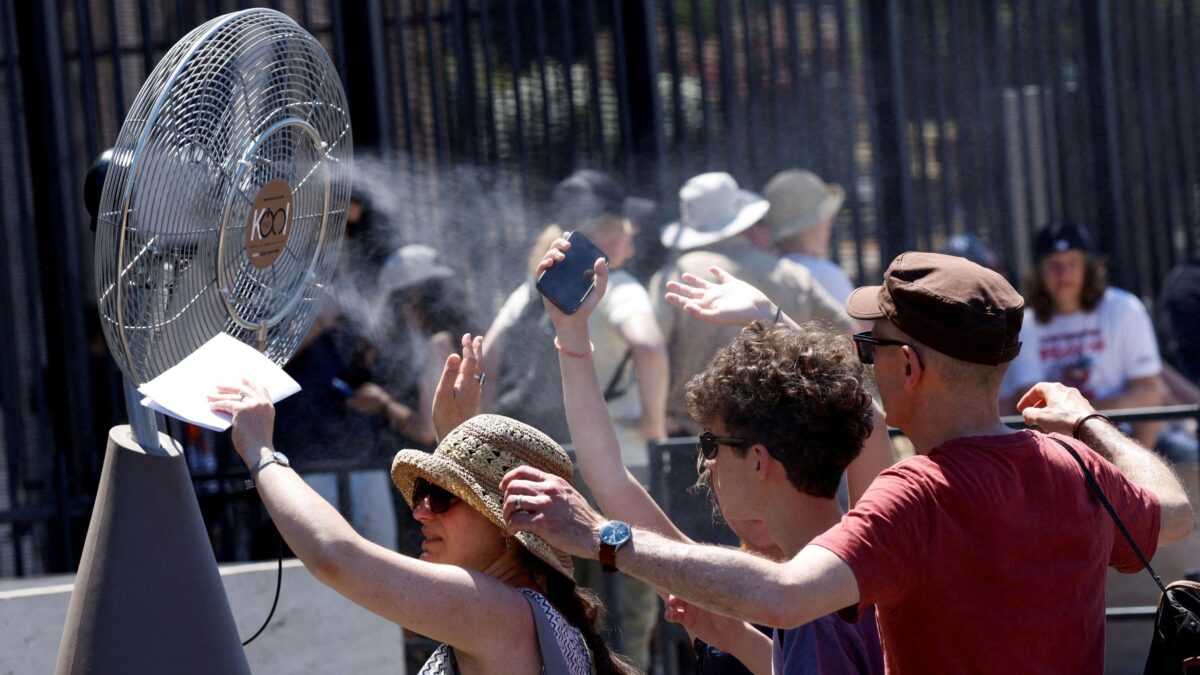
50,000 people died of summer heatwaves in Europe, says Imperial College
The report noted that the highest mortality was estimated among individuals aged 85 years or older.

NationWide
ARCON honours advertising industry veterans, brands
Mr Adebayo said the selection process included nominations, eligibility screening, technical assessment, public voting, jury review and final ratification.
Heading 4
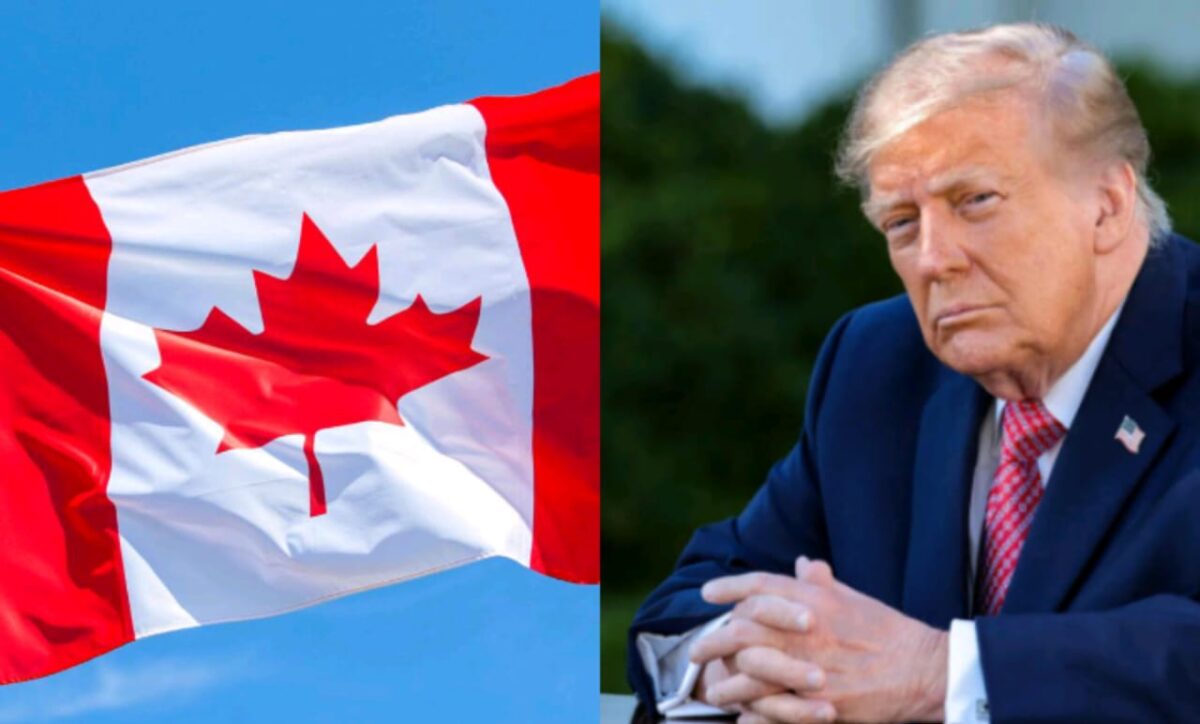
Trump lifts 50% tariffs on Canadian goods ahead of U.S. midterms
A Republican candidate in a key Senate race,Susan Collins, said she lobbied for the removal of tariffs on Canadian products.
Heading 3
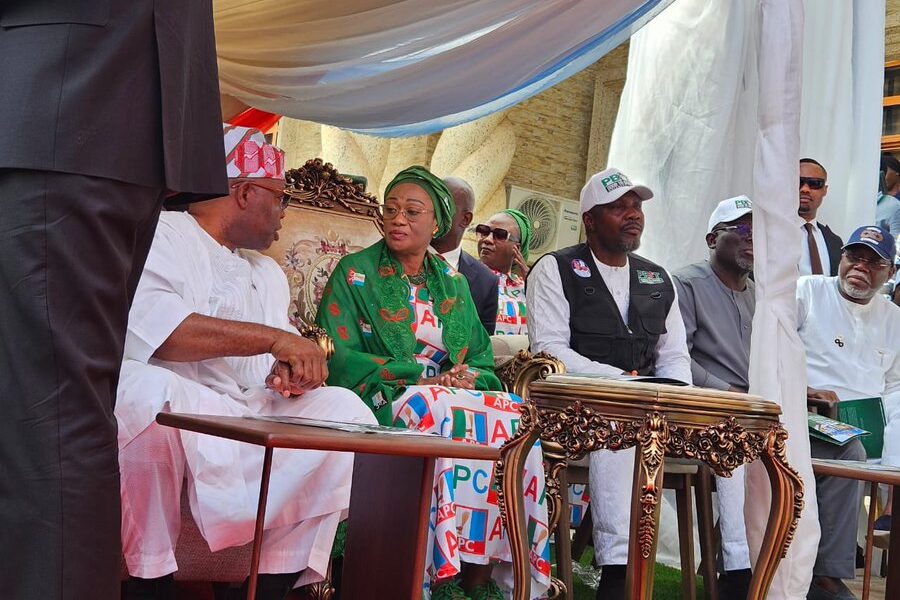
APC will give those who don’t see good things happening in Nigeria Tinubu glasses to see clearly: Remi Tinubu
Mrs Tinubu prayed that she plans to leave the Aso Rock in 2031.

Africa
Nigeria hosts African counter-terrorism forum in Abuja Monday
Mr Adamu said the proposed forum would review progress under the Abuja Process.

Diaspora
U.S. declares two Nigerians Ezechukwu, Olukoya wanted over conspiracy, $3.1 million medicare fraud
The health department said Mr Ohaka falsely referred to himself as Dr. Joshua Ohaka.


