

Expert seeks recruitment of more health inspectors to tackle Lassa fever
A public health physician, Tanimola Akande, has appealed to the three levels of government to increase the number of environmental health inspectors to reduce the spread of Lassa fever disease.
Mr Akande, a former President of the Association of Public Health Physicians, made the plea in an interview on Tuesday in Lagos.
He said the incidence of Lassa fever in most states is worrisome and requires concerted efforts to reduce the burden of the disease.
Mr Akande attributed the challenge of inadequate health officials to the lull in the government’s recruitment, noting that environmental health officials were few for the country’s population.
“Population and numbers of houses have increased rapidly, however, the number of the health workforce have not increased to meet the demands of the growing population and development.
“Quite a number of ailments are due to the poor environment. We need to have functional health inspectors that will go around houses as done in the 60s.
“Appropriate sanctions should also be given to those who aren’t keeping their environment clean,” he said.
Mr Akande noted that the few health inspectors should extend their scope of focus beyond abattoirs and marketplaces to create a more healthier environment.
He noted that preventive measures were critical, stressing the need to enhance sensitisation of the public on prevention and transmission of Lassa fever.
“There’s a need to create more awareness on the proper storage of food and hygienic environment to prevent the breeding of rats,” he said.
He stressed the need to improve funding for healthcare in order to establish more facilities for treatment of Lassa fever cases.
The Nigeria Centre for Disease Control (NCDC) said that 23 states had recorded at least one confirmed case of Lassa fever across 93 local government areas.
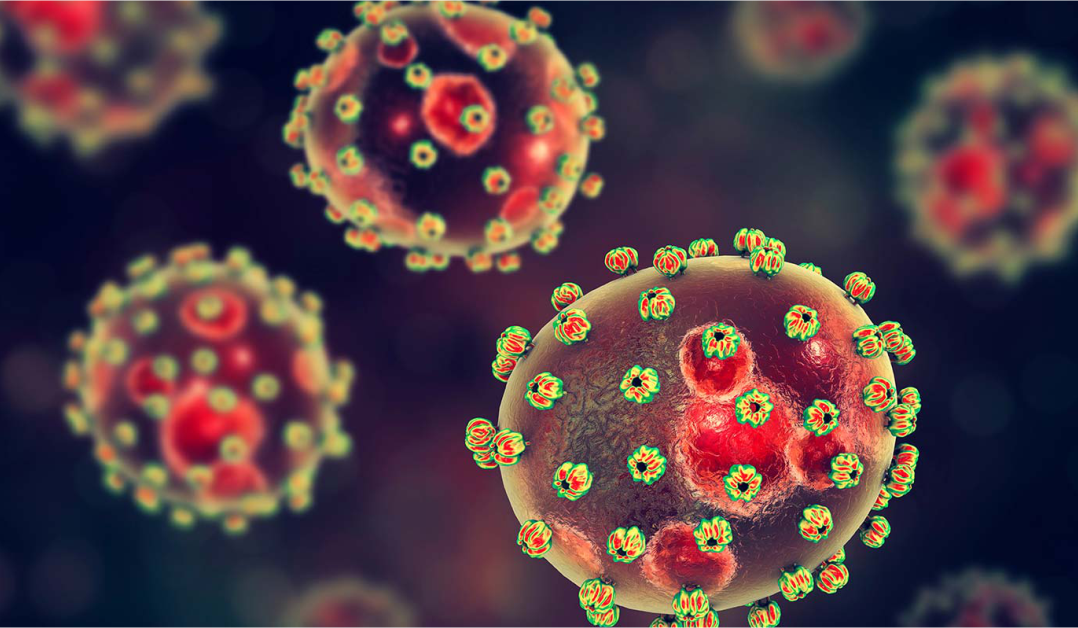
Lassa fever is an acute, hemorrhagic virus carried by a type of rat that is common in West Africa.
Humans usually become infected with Lassa virus through exposure to food or household items contaminated with urine or faeces of infected Mastomys rats.
The disease is endemic in the rodent population in parts of West Africa.
(NAN)

We have recently deactivated our website's comment provider in favour of other channels of distribution and commentary. We encourage you to join the conversation on our stories via our Facebook, Twitter and other social media pages.

More from Peoples Gazette

Agriculture
FG tasks ECOWAS on leveraging financing strategies for agroecology
The federal government has urged stakeholders in the agriculture and finance sectors in the West Africa region to leverage financing strategies to enhance agroecology practices

Politics
Katsina youths pledge to deliver over 2 million votes to Atiku
“Katsina State is Atiku’s political base because it is his second home.”

States
Tinubu advised me never to negotiate with criminals, Gov Ododo says
“I don’t play with criminals, and I don’t negotiate with them. I can tell you that, as far as Kogi State is concerned, we don’t have a department for ransom payment,” he said.

Heading 1
U.S. has spent $37.5 billion on Iran war: Hegseth
“The estimate we have as of today is $37.5 billion,” Mr Hegseth said.

Lagos
Slain Lagos NURTW organising secretary buried amid tears
Mr Ajiboye died days after he was attacked by gunmen.

Africa
144 refugees, migrants dead, missing off Mauritania coast: UNHCR
“The refugees and migrants were reported dead or missing after attempting the perilous sea journey from West Africa towards Europe,” the agency said.

World
U.S. govt condemns Ortega’s ban on elections in Nicaragua
Mr Rubio urged the international community to rise against Mr Ortega’s dictatorship.

World
Zelensky sacks Ukraine’s top general after firing defence minister
Mr Syrskyi’s dismissal came days after Mr Zelensky fired Ukraine’s defence minister, Mykhailo Fedorov, a decision that sparked protests across the country.


