

FIRS to NRS: So far, so seamless

The establishment of the Nigeria Revenue Service (NRS) represents a defining moment in the evolution of Nigeria’s tax administration.
Transitioning from the Federal Inland Revenue Service (FIRS) to NRS is not merely a change in name or structure; it signals a broader reform agenda aimed at strengthening revenue mobilisation, improving taxpayer experience, and supporting national development.
The Transition from FIRS to NRS: The transition from FIRS to NRS has been guided by continuity, stability, and institutional realignment. Existing systems, processes, and human capital have been carefully integrated into the new framework to ensure that revenue collection remains uninterrupted.
This phase has focused on harmonising operational structures, aligning staff roles with the new mandate, and embedding service-oriented values across the organisation.
With the transition largely complete, NRS is now positioned to move beyond structural adjustments and concentrate on delivering tangible outcomes for government and taxpayers alike.
What Comes Next After the Transition: Now that NRS staff, management, and leadership are fully settled and ready to serve, the emphasis shifts to implementation and performance. This phase prioritises operational efficiency, improved compliance mechanisms, and stronger stakeholder engagement. Clear communication, internal coordination, and accountability will be critical as NRS consolidates its role as the central authority for tax administration.
Institutional maturity will be measured not only by revenue outcomes but also by trust, transparency, and responsiveness to taxpayers’ needs.
Tax Administration Powered by Technology: A cornerstone of the NRS reform agenda is the application of technology to tax administration. Digital platforms will streamline tax registration, filing, payment, and dispute resolution processes. Automation and data analytics will enhance accuracy, reduce leakages, and support risk-based compliance strategies.
By leveraging technology, NRS aims to reduce human bottlenecks, improve turnaround times, and provide real-time services that meet global best practices in revenue administration.
Making Taxation Easier for Taxpayers: Central to NRS’s mission is making taxation simpler and fairer for all Nigerians. Special attention will be given to low-income earners, small businesses, and informal sector participants, ensuring that tax obligations are proportionate, understandable, and affordable.
Simplified tax regimes, clear guidance, and accessible digital tools will help reduce the burden on taxpayers while encouraging voluntary compliance. By lowering barriers to compliance, NRS seeks to broaden the tax base without placing undue pressure on vulnerable groups.
Shared Responsibility for National Development: Taxation remains a shared responsibility between government and citizens. Nigerians are encouraged to pay their taxes when due, knowing that their contributions play a vital role in funding infrastructure, social services, and economic growth.
In return, NRS is committed to doing the right thing—taxing profits, not survival; taxing growth, not struggle; and ensuring fairness and accountability in the use of public resources. When the system works for everyone, the benefits are collective and enduring.
The emergence of NRS marks the beginning of a new chapter in Nigeria’s revenue administration. With the right mix of leadership, technology, and public trust, the Service has the opportunity to redefine how taxes are collected and perceived. At the end of the day, when taxpayers are treated fairly and revenue is managed responsibly, Nigeria as a whole stands to benefit.
Arabinrin Aderonke Atoyebi is the technical assistant on broadcast media to the executive chairman of the Nigeria Revenue Service.

We have recently deactivated our website's comment provider in favour of other channels of distribution and commentary. We encourage you to join the conversation on our stories via our Facebook, Twitter and other social media pages.

More from Peoples Gazette

States
Independence: NBA urges Nigerians to expect better future
The NBA said that ordinary Nigerians should be deriving benefit from the subsidy removal rather than hardship.

Agriculture
FG tasks ECOWAS on leveraging financing strategies for agroecology
The federal government has urged stakeholders in the agriculture and finance sectors in the West Africa region to leverage financing strategies to enhance agroecology practices

Politics
Katsina youths pledge to deliver over 2 million votes to Atiku
“Katsina State is Atiku’s political base because it is his second home.”

Africa
Ghana to stop raw mineral exports by 2030: Mahama
Mr Mahama reaffirmed that government policy will pivot from merely extracting raw materials to building complete industrial value chains.
Africa
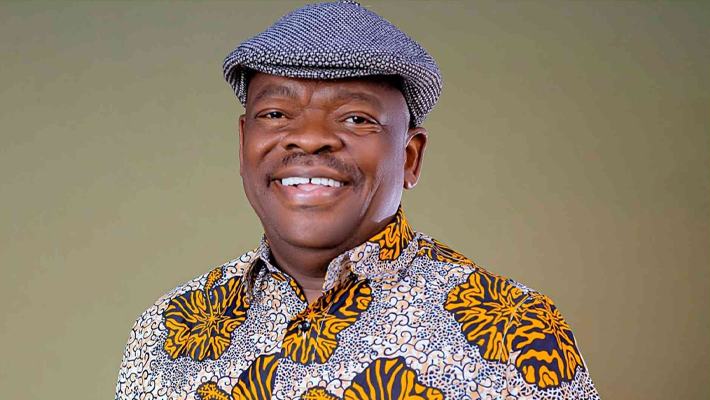
Ghanaian broadcaster Kwame Dzokoto dies after collapsing during live show
Mr Dzokoto died early Thursday while participating as a panelist on the morning show on Owass FM/Radio in Tarkwa, Ghana’s Western Region.

Economy
Lagos butchers seek land for Eko Ranches, plan pilot scheme
The Lagos State Butchers Association says it is seeking approval to begin a pilot ranching scheme at Oko-Oba Abattoir while awaiting land for Eko Ranches.

World
Five Nigerians appointed to UN information system consultation group
Five Nigerians have been appointed to the 92-member Multistakeholder Consultation Group of the United Nations Group on the Information Society.
States
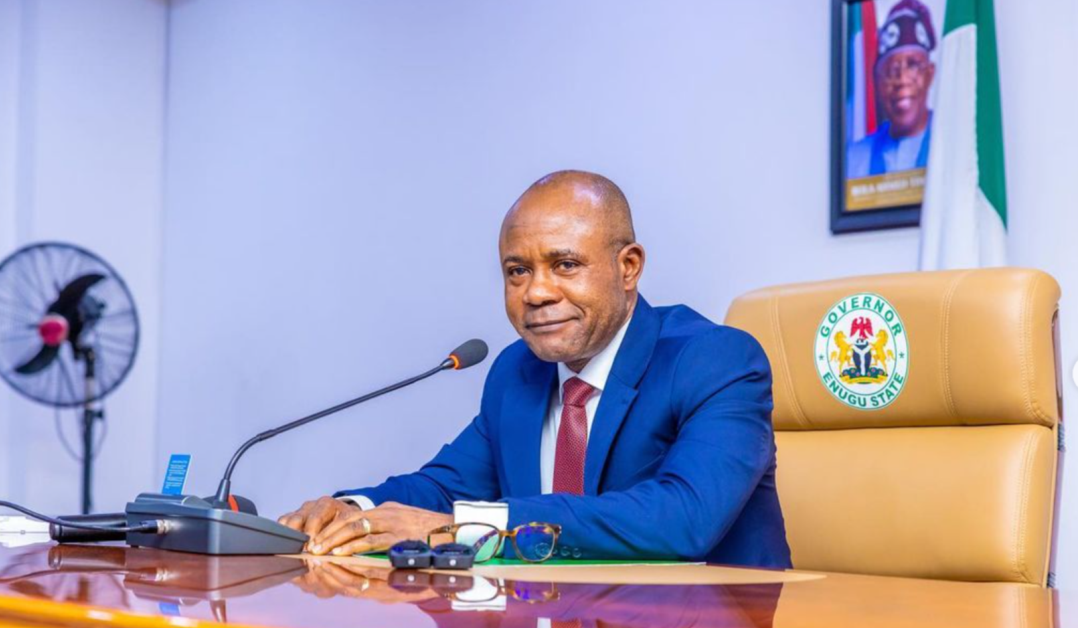
Mbah inaugurates multibillion-naira pharmaceutical company in Enugu
Governor Peter Mbah has inaugurated Anchorage Pharmaceutical Industries Limited, a multibillion-naira pharmaceutical company in Trans-Ekulu, Enugu.

Maiduguri
Shettima arrives in Maiduguri to inaugurate projects
Vice-President Kashim Shettima has arrived in Maiduguri, Borno, to inaugurate Kashim Ibrahim University Teaching Hospital, a hostel, and 104 staff housing units.


