

Five important ways to stay cool, hydrated during heatwave as thousands die
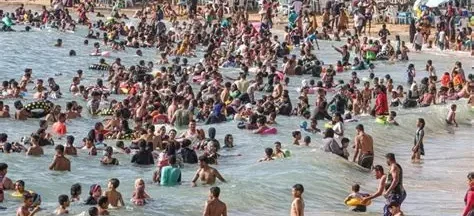
More than 150 million people across Europe continue to endure record-breaking temperatures, with more than 1,300 heat-related deaths recorded since June 21 amid fears that the death toll could rise further.
“Europe is the fastest-warming continent on Earth, heating at twice the global average,” World Health Organisation Director-General Tedros Adhanom Ghebreyesus said on Sunday. “Heat stress is often called the ‘silent killer,’ and many European homes, workplaces, and schools were not built for these temperatures.”
The intensifying heatwave, driven by climate change, has seen record-high temperatures in France, the United Kingdom, Spain, Switzerland, Germany, and Belgium, with the extreme weather gradually moving towards eastern Europe.
According to the WHO, more than 200,000 people have died across Europe in four years as a result of heatwaves.
More than 1,000 heat-related deaths have been recorded in France since the heatwave officially began on June 20, with people aged 65 and above accounting for 85 per cent of the fatalities. France’s temperatures hit 43.8°C in Pulluau on June 24, marking the hottest day on the national record.
Recently, at least 327 people have died in Spain as a result of the extreme heat, while more than 20 deaths have been reported in the UK. In Germany, where temperatures peaked at 41.5°C, at least seven people drowned in swimming incidents, according to authorities.
As the WHO works with countries to address the growing threat posed by heatwaves, health officials have suggested ways individuals can protect themselves. Below are five important ways to stay cool and hydrated.
1. Drink enough water
Drinking plenty of water remains one of the best ways to stay safe during a heatwave, even if you do not feel thirsty. Global health bodies and experts recommend drinking about two to three litres per day to keep the body cool. To prevent extreme thirst or heatstroke, limit or avoid alcohol, sugary and energy drinks, and caffeinated beverages.
2. Take cool showers or baths
Taking cool showers or baths can help lower body temperature during periods of extreme heat. However, experts say freezing cold water should be avoided. Instead, bathing with lukewarm water for five to 10 minutes and leaving the skin damp is effective.
3. Wet your skin
Another quick way to lower body temperature is to wet the skin with a damp cloth or a spray bottle, targeting the wrists, neck, armpits, and groin. Avoid using freezing water, wear loose-fitting clothing, and rewet the body at intervals to help keep it cool.
4. Keep your home cool
The WHO advises keeping the windows closed and blocking them from sunlight during the day and opening them after dark when temperatures are lower. Also, to keep the home cool, turn off electrical appliances to reduce indoor heat. People are also encouraged to spend at least two to three hours a day in cool places and to wear sunglasses, hats, or caps when going out during the day.
5. Avoid severe physical activities
Strenuous activities should be avoided during the hottest time of the day, especially between 10:00 a.m. and 4:00 p.m. It is recommended to stay in well-ventilated and shaded areas when physical labour is unavoidable.

We have recently deactivated our website's comment provider in favour of other channels of distribution and commentary. We encourage you to join the conversation on our stories via our Facebook, Twitter and other social media pages.

More from Peoples Gazette

States
Independence: NBA urges Nigerians to expect better future
The NBA said that ordinary Nigerians should be deriving benefit from the subsidy removal rather than hardship.

Agriculture
FG tasks ECOWAS on leveraging financing strategies for agroecology
The federal government has urged stakeholders in the agriculture and finance sectors in the West Africa region to leverage financing strategies to enhance agroecology practices

Politics
Katsina youths pledge to deliver over 2 million votes to Atiku
“Katsina State is Atiku’s political base because it is his second home.”

States
Gunmen storm Sokoto-Badagry project site, kill two security agents, foreign worker
The police said two civilians were also injured during the attack and were subsequently evacuated for medical attention.

Agriculture
Cocoa farmer faces alleged N4 million fraud charge
A cocoa farmer, Fasina Yusuf, has appeared before an Abeokuta Magistrates’ Court in Isabo on an alleged N3.9 million fraud charge.

Anti-Corruption
EFCC arraigns two Lagos men for money laundering
The duo are on trial on ten charges bordering on theft, money laundering, and retention of stolen property, according to an EFCC statement on Thursday.
Heading 5
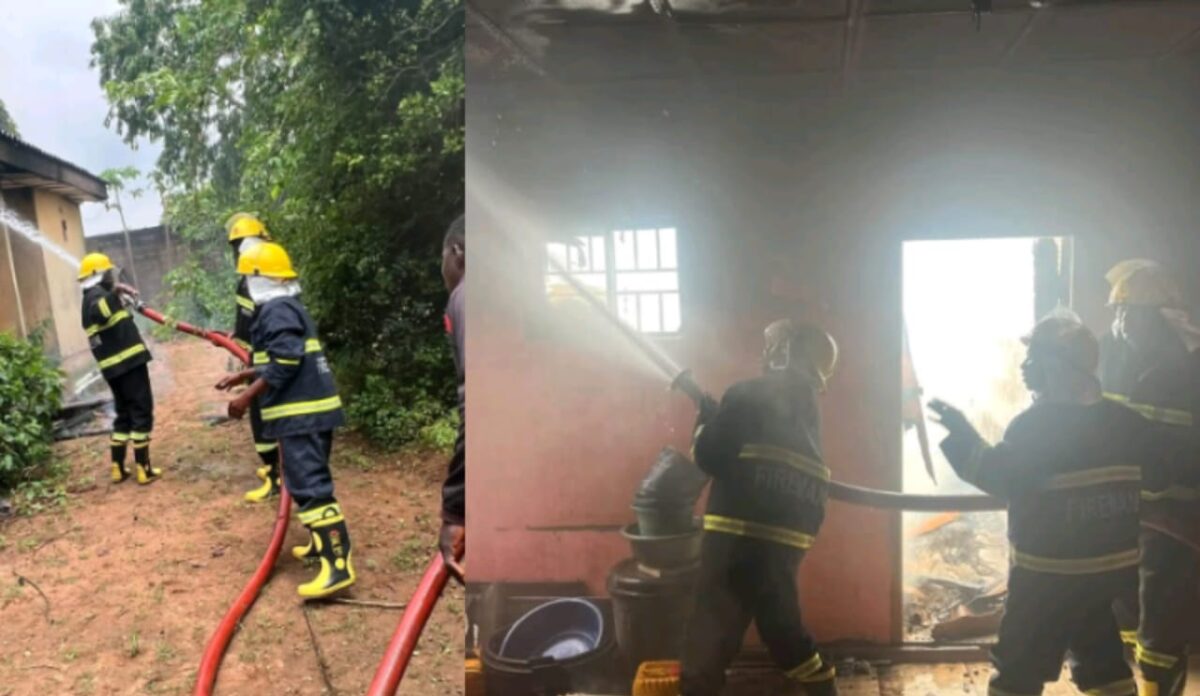
Fire guts Ilorin building
An electrical spark from a transmission line reportedly triggered a fire that gutted a four-bedroom building in Ilorin, Kwara, on Wednesday.
States
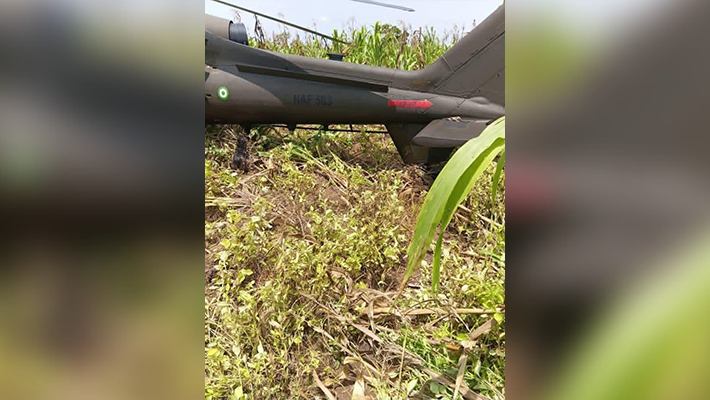
Ondo Crash: NAF helicopter makes precautionary landing in Benue
The Nigerian Air Force says one of its helicopters made a precautionary landing on a farm in Benue after providing close air support during an operation against kidnappers.

Africa
ECA, UN agencies seek stronger social protection for vulnerable populations
ECA and some UN agencies have called for stronger social protection systems to reach underserved populations and respond to emerging shocks.


