

Funding cuts undermining global health systems: WHO
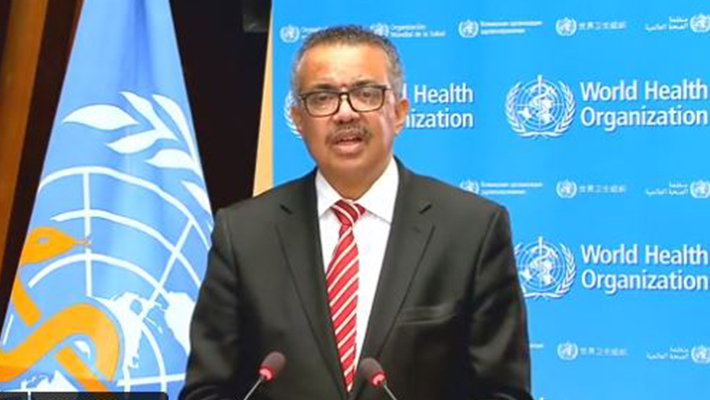
The UN World Health Organisation (WHO) has warned that cuts to international aid and persistent funding gaps are undermining the global health system.
WHO director-general, Tedros Ghebreyesus, stated this while addressing the WHO executive board in Geneva on Monday, saying, “this is occurring as the risk from pandemics, drug-resistant infections and fragile health services are on the rise.”
Mr Ghebreyesus, however, stressed the impact of workforce reductions in 2025 due to “significant cuts to our funding,” which have had significant consequences.
“Sudden and severe cuts to bilateral aid have also caused huge disruptions to health systems and services in many countries,” he told health ministers and diplomats, describing 2025 as “one of the most difficult years” in the agency’s history.
While WHO had managed to keep its lifesaving work going, Mr Ghebreyesus said the funding crisis exposed deeper vulnerabilities in global health governance, particularly in low and middle-income countries struggling to maintain essential services.
The WHO executive board has a sweeping agenda covering pandemic preparedness, immunisation, antimicrobial resistance, mental health and health emergencies in conflict zones.
“The WHO funding crisis is part of a broader retreat from international health financing, forcing countries to make difficult choices,” he added.
“In response to funding cuts, WHO is supporting many countries to sustain essential health services, and to transition away from aid dependency towards self-reliance,” the WHO chief said.
He pointed to domestic resource mobilisation – including higher health taxes on tobacco, alcohol and sugary drinks – as a key strategy.
According to WHO, 4.6 billion people still lack access to essential health services, while 2.1 billion face financial hardship because of health costs. At the same time, the world faces a projected shortage of 11 million health workers by 2030, more than half of them nurses.
Mr Ghebreyesus said WHO had avoided a more severe financial shock only because Member States have agreed to increase mandatory assessed contributions, reducing the agency’s reliance on voluntary, earmarked funding.
“If you had not approved the increase in assessed contributions, we would have been in a far worse situation than we are,” he told the board.
He says, “Thanks to those reforms, WHO has mobilised about 85 per cent of the resources needed for its core budget for 2026-27.
Mr Ghebreyesus however cautioned that the remaining gap would be “hard to mobilise,” particularly in a difficult global funding environment.
He added, “Although 85 per cent sounds good – and it is – the environment is very difficult,” he said, warning of “pockets of poverty” in underfunded priority areas such as emergency preparedness, antimicrobial resistance and climate resilience.”
Mr Ghebreyesus highlighted the adoption last year of the Pandemic Agreement and amended International Health Regulations (IHR), aimed at strengthening preparedness in the wake of COVID-19.
WHO also expanded disease surveillance, rolled out artificial intelligence (AI)-powered epidemic intelligence systems, and supported countries in responding to hundreds of health emergencies in 2025 – many of which never reached public attention because outbreaks were contained early.
However, one in six bacterial infections globally are now resistant to antibiotics, Global health systems at risk as funding cuts bite -WHO said, describing the trend as concerning and accelerating in some regions.
“The pandemic taught all of us many lessons – especially that global threats demand a global response,” Mr Ghebreyesus said, adding that solidarity is the best immunity.
He warned that without predictable and sufficient financing, the world risks being less prepared – not more – for the next health emergency.
“This is your WHO,” Mr Ghebreyesus told the board, “Its strength is your unity. Its future is your choice.”
(NAN)

We have recently deactivated our website's comment provider in favour of other channels of distribution and commentary. We encourage you to join the conversation on our stories via our Facebook, Twitter and other social media pages.

More from Peoples Gazette

States
Independence: NBA urges Nigerians to expect better future
The NBA said that ordinary Nigerians should be deriving benefit from the subsidy removal rather than hardship.

Agriculture
FG tasks ECOWAS on leveraging financing strategies for agroecology
The federal government has urged stakeholders in the agriculture and finance sectors in the West Africa region to leverage financing strategies to enhance agroecology practices

Politics
Katsina youths pledge to deliver over 2 million votes to Atiku
“Katsina State is Atiku’s political base because it is his second home.”
Politics
2027: NDC to inaugurate presidential council October 20
The chairman said the party was taking time to make appropriate appointments to avoid disagreements that could disrupt its campaigns.

World
About one million without electricity after hurricane makes landfall in Florida
Isaias peaked as a category three hurricane, with heavy rain and powerful winds, but has since been downgraded.
Lagos
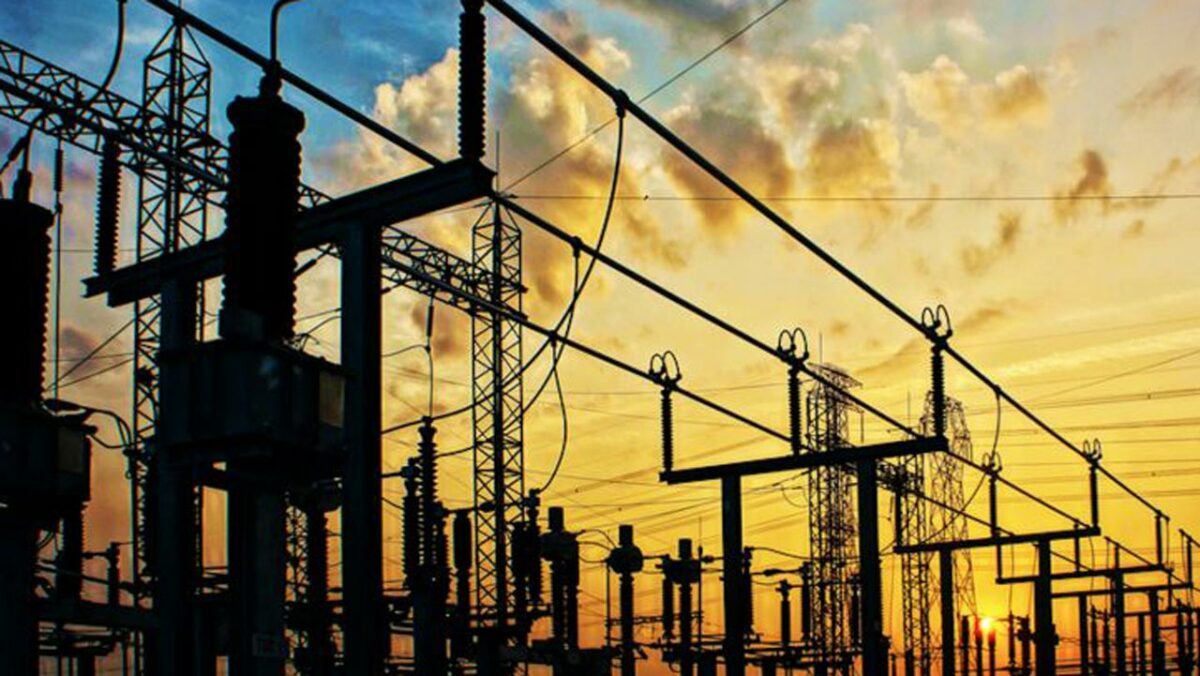
Lagos targets 3,000MW electricity supply by March 2027
Mr Sanwo-Olu said the initiative is part of efforts to end blackouts and build a 24-hour power economy in the state.
Politics
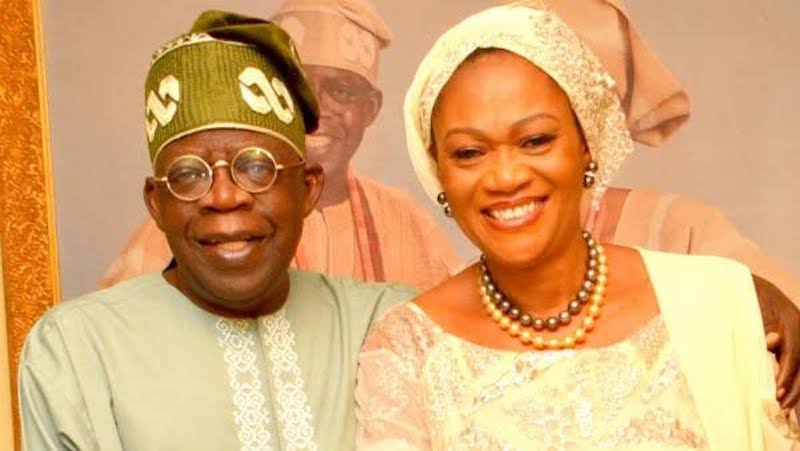
Nigeria at its best in 12 years; no govt has built infrastructure like my husband’s, says Remi Tinubu
Mrs Tinubu also cited the administration’s food support programme, saying it was designed to provide nutritious food for children.
States
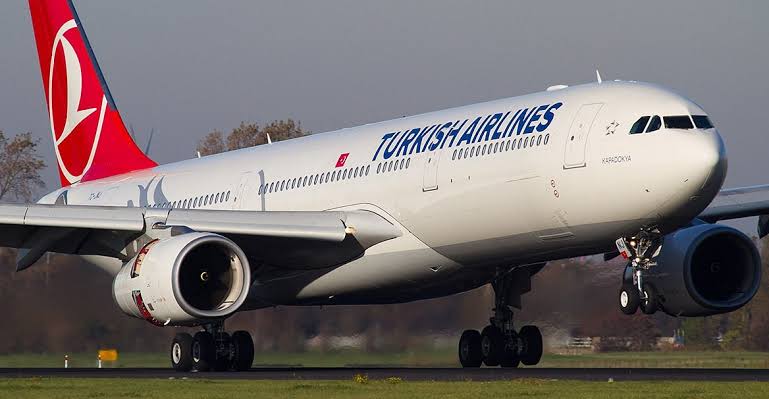
Turkish Airlines increases Lagos flights from seven to 10 weekly
The statement added that the increase was aimed at meeting the growing travel demand between Nigeria and Türkiye.
States
Gov Yusuf condoles victims of bandit attack in Kano
Mr Yusuf assured residents that the state government was intensifying efforts to strengthen security through collaboration with relevant security agencies.


