

GBV: UN to interview Nigerians on sexual violence prevalence

The UN Population Fund (UNFPA), with funding from Global Affairs Canada (GAC), has commenced a 45-day national survey to provide a comprehensive analysis of Sexual and Gender-Based Violence (SGBV) and Harmful Traditional Practices (HTPs) situation in Nigeria.
Information about the survey is in a statement by the UNFPA Gender and Reproductive Rights Specialist, Musa Elisha, in Abuja on Thursday.
Mr Elisha stated that the 45-day survey, which started on August 11, would run until September 14 in 12 states and the Federal Capital Territory (FCT). The states are Adamawa, Akwa Ibom, Bauchi, Ebonyi, Edo, Kaduna and Kwara, Nasarawa, Ogun, Oyo, Sokoto, and Imo.
He explained that the scope of the survey was “to generate a reference document to guide the development of a well-coordinated, systematic and programme-wide approaches toward addressing gender inequality and empowering women and girls in Nigeria.”
The official explained that data collectors would visit households in sampled clusters during the survey to conduct interviews for selected individuals and focus group discussions.
He, therefore, called for the cooperation of residents of the 12 states and the FCT, noting that the specific objectives of the landscape analysis are to determine the prevalence of SGBV, HTPs, and obstetric fistula in Nigeria.
“It is also aimed at identifying key social and gender norms that influence the prevalence and outcomes of SGBV, HTP, and obstetric fistula and identify key drivers and perpetrators,” said the UNFPA official. “The landscape analysis survey is to assess awareness and knowledge of national and global policy on elimination of SGBV, obstetric fistula, and HTPs.”
The gender and reproductive rights specialist emphasised that the survey was necessary “because existing national and sub-national data does not provide disaggregated information on the patterns and dynamics of sexual and gender-based violence.”
Mr Elisha added that the analysis would help map out roles and assess the capacities of stakeholders toward the elimination of SGBV in collaboration with state institutions, parents, civil society organisations, and community leaders.
(NAN)

We have recently deactivated our website's comment provider in favour of other channels of distribution and commentary. We encourage you to join the conversation on our stories via our Facebook, Twitter and other social media pages.

More from Peoples Gazette

Agriculture
FG tasks ECOWAS on leveraging financing strategies for agroecology
The federal government has urged stakeholders in the agriculture and finance sectors in the West Africa region to leverage financing strategies to enhance agroecology practices

Politics
Katsina youths pledge to deliver over 2 million votes to Atiku
“Katsina State is Atiku’s political base because it is his second home.”

Heading 4
UK women, partners to get two weeks’ bereavement leave after miscarriage from next year
“From April, women and their partners will be entitled to two weeks off after any pregnancy loss,” Mr Burnham said.
Africa
Climate Change: 32 million West Africans may become refugees by 2050, says ECOWAS
ECOWAS says 32 million West Africans risk being displaced from their communities due to climate change.
States
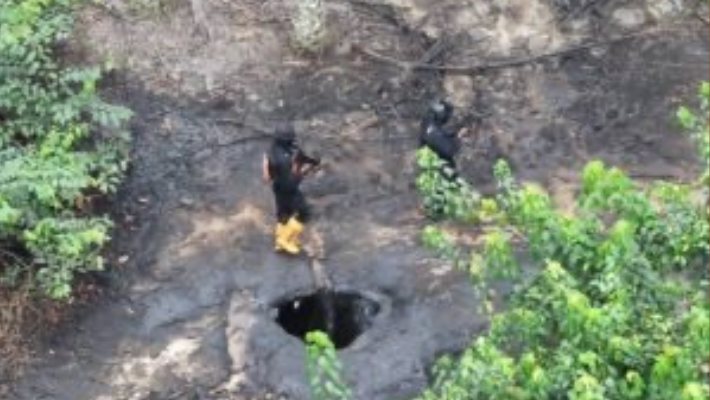
Navy recovers 182,000 litres of suspected stolen crude oil in Rivers
The Nigerian Navy recovered 182,000 litres of suspected stolen crude oil in Rivers.
Economy
Edible oil tanker drivers suspend planned strike
NUEOTDN President Ilias Aperun said the decision followed interventions by the federal government and the State Security Service (SSS).

States
Lagos APC governorship candidate Hamzat rallies voters for 2027
Mr Hamzat expressed concern about declining voter participation, noting that of the 6.2 million registered voters in Lagos in the last election, only about 1.2 million voted.
Economy
NMDPRA begins consultations on anti-competition regulations in petroleum sector
The proposed regulations are designed to address abuse of dominance and promote fair, non-discriminatory access to essential petroleum infrastructure.


