

Germany, Austria remain Europe’s cash strongholds, survey shows

BearingPoint commissioned a new survey showing Germany and Austria still lead Europe in cash usage, defying the broader continental shift toward digital payments and card-based transactions across retail and services sectors.
The poll, conducted in December by YouGov, found that 73 per cent of respondents in Germany cited cash as their most frequently used payment method, rising from 69 per cent a year earlier.
In Austria, 71 per cent of participants said they regularly paid in cash, confirming the country’s continued preference for physical currency despite the growing availability of digital and contactless alternatives.
By contrast, cash usage declined across the seven other European countries surveyed, highlighting a widening divide in payment preferences between German-speaking nations and much of the rest of Europe.
In Switzerland, 61 per cent of respondents reported often using cash, followed by 58 per cent in Ireland, 51 per cent in France and 46 per cent in the Netherlands.
Northern European countries demonstrated the lowest reliance on physical currency, reflecting more advanced digital infrastructure and stronger consumer adoption of mobile wallets, cards and instant electronic payment systems.
Only 25 per cent of respondents in Sweden said they frequently used cash, compared with 32 per cent in Denmark and 42 per cent in Finland.
More than a quarter of Swedes said they never used cash, while 18 per cent of Danes reported the same, underscoring the rapid shift toward fully digital payment ecosystems.
In Germany and Austria, by comparison, only 2 per cent and 1 per cent of respondents, respectively, said they did not use cash at all.
Across all nine countries surveyed, 37 per cent of respondents said it was certain or very likely they would stop using cash entirely within the next decade.
The survey also revealed limited public awareness of the proposed digital euro project currently under discussion among eurozone policymakers and financial institutions across the region.
Around one-third of respondents in eurozone countries said they had not heard of the initiative being developed by the European Central Bank, which could launch as early as 2029.
Eurozone monetary authorities had repeatedly stressed that the digital euro would complement, rather than replace, physical cash, aiming to preserve consumer choice while modernising Europe’s payments infrastructure.
(Xinhua/NAN)

We have recently deactivated our website's comment provider in favour of other channels of distribution and commentary. We encourage you to join the conversation on our stories via our Facebook, Twitter and other social media pages.

More from Peoples Gazette

States
Independence: NBA urges Nigerians to expect better future
The NBA said that ordinary Nigerians should be deriving benefit from the subsidy removal rather than hardship.

Agriculture
FG tasks ECOWAS on leveraging financing strategies for agroecology
The federal government has urged stakeholders in the agriculture and finance sectors in the West Africa region to leverage financing strategies to enhance agroecology practices

Politics
Katsina youths pledge to deliver over 2 million votes to Atiku
“Katsina State is Atiku’s political base because it is his second home.”
Anti-Corruption
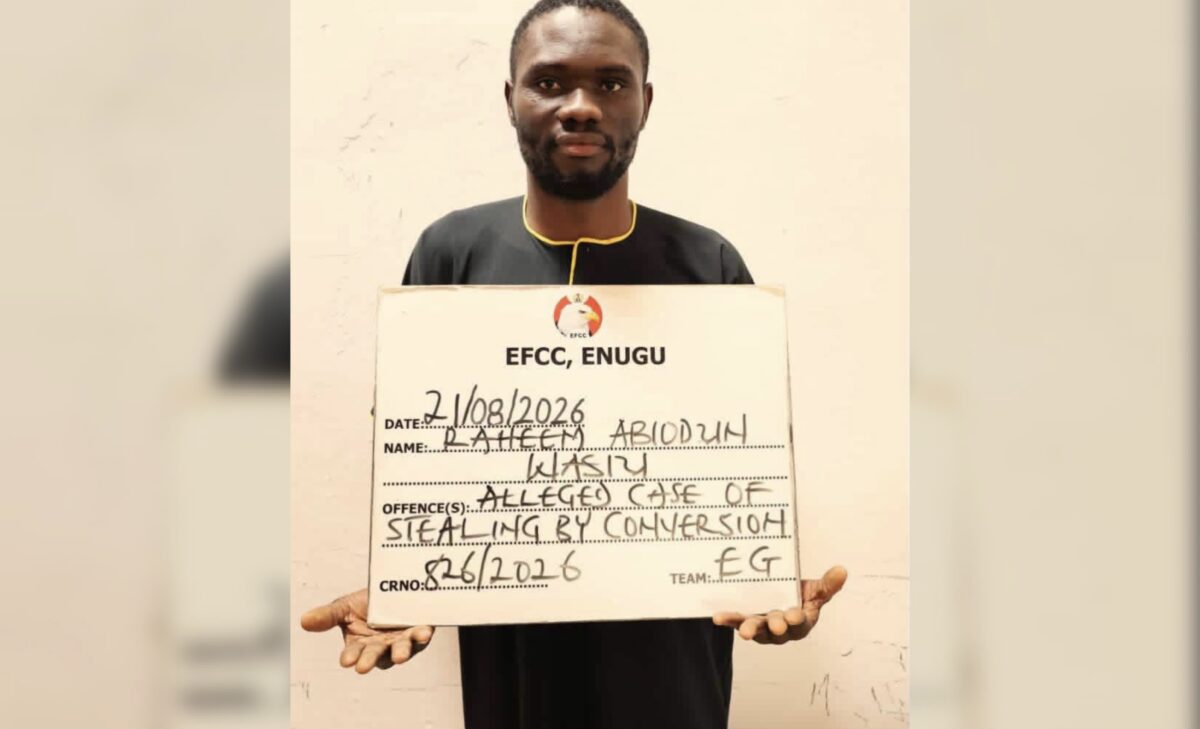
Man accused of defrauding South-East BDC operators by posing as rich contractor remanded
The commission said the alleged offence was committed on July 6, 2026, in the state.

States
Ogun community in court for allegedly assaulting contractor
The magistrate djourned the case until October 28 for further hearing.
Abuja
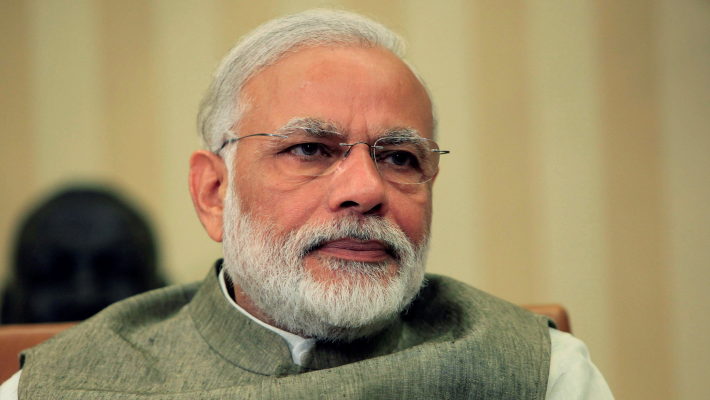
Afro-Asian community congratulates PM Modi on 25 years of political power
Sanjay Srivastava, president of the Afro-Asian community, congratulated Indian Prime Minister Narendra Modi on completing 25 years in power.

Abuja
World leaders converge on Abuja to advance Africa’s green transition
World leaders, investors and innovators are to gather in Abuja from October 14 to 15 for the Africa Climate Forum to advance discussions on Africa’s green transition.
NationWide
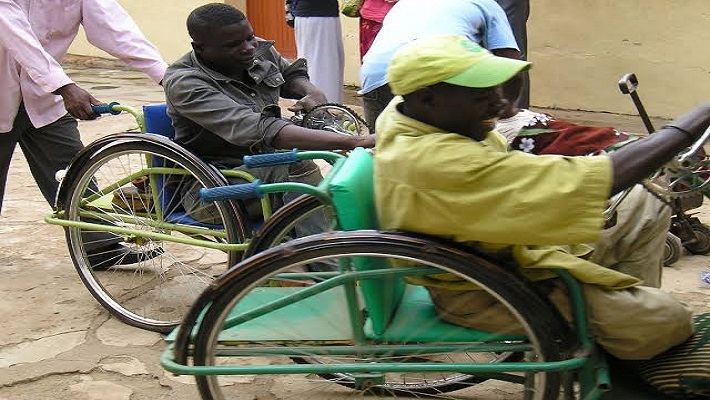
UNESCO seeks inclusion of persons with disabilities in policymaking
The UNESCO representative to Nigeria, Isaias da Rosa, has advocated including persons with disabilities in policymaking to bolster their participation in nation-building.

Education
Nigerian students seek reforms to improve quality of university education
Some Nigerian students have called for urgent reforms to improve the quality of university education, citing poor infrastructure and inadequate practical training.


