


Group advocates improved budgetary allocation for youth development
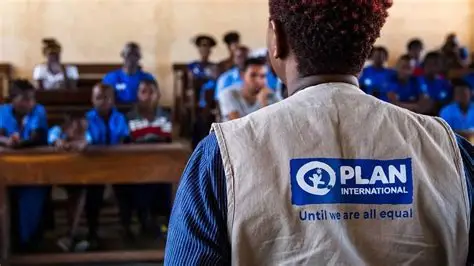
Plan International Nigeria, a development and humanitarian organisation, on Friday called for improved budgetary allocation to enhance youth development, especially in software, education, and digital skills.
Tunde Aremu, the policy, research and influencing manager of the organisation, made the call in Abuja during a national dialogue on “Financing Youth Development: Advancing a Youth-Centred Approach to National Budgeting in Nigeria”.
Mr Aremu said although the budget included provisions for youth in different parts, the funds were not domiciled in the ministries that address youth needs.
He, however, pointed out that the allocations were poor, with too much allocated for infrastructure and too little for software education and digital skills.
According to him, the country has about 1,200 youth initiatives, with less than five per cent in the Federal Ministry of Youth Development and the Ministry of Women Affairs budgets.
“In the Federal Ministry of Education, allocation has dropped by over one per cent between 2020 and 2024, with 80 per cent allocated for ‘bricks and mortar’—buildings.
“Very little goes to software – what keeps children in school and what makes learning happen in the classroom. We have a N50 billion project, but only N2 billion for digital education. Yet half of our population is young. That doesn’t add up.
“With 60 per cent of Nigeria’s population being under 30, youth must be reflected in policy and budget documents. Yes, we have provisions for youth in different parts of our budget. But the concern is that youth development funds are not always domiciled in the ministries that actually deal with youth needs,” he said.
To address the concern, Mr Aremu emphasised the importance of data, stressing that data must inform budgetary allocations.
He also stressed the need to pay attention to global trends like fintech, the digital economy, user engagement and youth in media.
“We must bring the people who are affected to the discussion table. With 60 per cent of our population being young people, it is our time for economic growth, capacity building, and human development.
“If we get this right, it will change not just Nigeria but how we sit in the comity of nations,” he said.
Responding, Senior Special Assistant (SSA) to the President on Youth Initiatives, Titilope Gbadamosi, said that the administration of President Bola Tinubu had impacted the lives of young people.
Ms Gbadamosi listed some of the government’s initiatives for youth, such as the consumer credit scheme being rolled out, Bank of Industry loans, Small and Medium Enterprises Development Agency of Nigeria (SMEDAN) grants and loans and the Corporate Affairs Commission’s free company registration.
“The Tinubu-led administration is implementing several youth-centred programmes and policies. I think the strongest right now is the Student Loan Scheme, with students from the North to the South already benefiting.
“At the core of this administration is a youth development agenda. That’s why within the Ministry of Youth Development, we have programmes like the Nigeria Youth Academy.
“We’re also training young people in CNG conversion and fittings so that after the mandatory one-year National Youth Service Corps, they don’t become idle,” she added.
She also advised the youth to keep their ears to the ground and follow relevant government agencies to benefit from the numerous initiatives.
Ms Gbadamosi, however, stressed the need for collaboration among different ministries, departments and agencies to deliver proper governance for young Nigerians.
The SSA commended Plan International and pledged the government’s continued support and more collaboration for a better Nigeria.
Earlier, Plan International Nigeria Country Director Charles Usie said the initiative aimed to engage young professionals, civil society leaders, and development partners to discuss money, power, and the future of Nigeria’s youth.
Represented by Chinelo Amaechina, gender and social inclusion manager, Mr Usie said a youth-centred budget should not be a document locked away in government offices.
“It should be a budget that young people can understand, a budget they can influence and a budget they can hold the government accountable for.
“That’s why today’s dialogue matters. We’re not just here to talk. We’re here to move young professionals toward collective governance.
“Our ambition is not simply to produce another document that will gather dust. We want action, we want ownership, and we want a future that young people helped to build,” he added.
(NAN)

We have recently deactivated our website's comment provider in favour of other channels of distribution and commentary. We encourage you to join the conversation on our stories via our Facebook, Twitter and other social media pages.

More from Peoples Gazette

Agriculture
FG tasks ECOWAS on leveraging financing strategies for agroecology
The federal government has urged stakeholders in the agriculture and finance sectors in the West Africa region to leverage financing strategies to enhance agroecology practices

Politics
Katsina youths pledge to deliver over 2 million votes to Atiku
“Katsina State is Atiku’s political base because it is his second home.”

Heading 4
Osun 2026: Police deploy air, drone units, assure of adequate security
Mr Iniedu disclosed that a 24-hour call centre had been established.

Heading 2
Boxer Prichard Colón dies at 33 after spending 221 days in coma
The father also thanked fans and supporters for their years of love and prayers.

Heading 5
Police foil bandits’ attack in Katsina, recover exhibits
Mr Aliyu explained that the attackers broke into local shops.

World
Luigi Mangione pleads guilty to killing UnitedHealthcare CEO Brian Thompson
Mr Mangione’s sentencing has been scheduled for December 18.

Lagos
Lagos governor’s wife urges ICT investment
She said targeted ICT empowerment programmes could channel youthful energy into productive ventures.

NationWide
Tackle poverty, unemployment in Nigeria, ASUU tells FG
“Government must redirect its socio-economic policies and projects to prioritise the people on whose behalf they hold public resources in trust,” Mr Piwuna said.


