


Group criticises rising exports of Kenya’s wildlife as more than 870,000 animals enter global trade

Kenya’s trade in captive-bred wildlife is rapidly expanding, with live exports of Convention on International Trade in Endangered Species (CITES)-listed reptiles increasing more than tenfold over the past decade.
According to World Animal Protection, leopards, tortoises, and several chameleon species found in Kenya each exceeded tens of thousands in exports, while Nile crocodile skins exceeded 80,000 between 2013 and 2023, likely representing a similar number of individual animals.
World Animal Protection is a global animal welfare organisation with over 75 years’ experience safeguarding animals’ lives worldwide.
In a statement sent to the Peoples Gazette on Thursday, the group noted that the exponential rate of animal exports raises urgent concerns about conservation impacts, animal welfare, public health risks, and regulatory oversight.
It noted that a new peer-reviewed scientific paper analysing international wildlife trade data shows that over 870,000 live CITES-listed animals reported as captive-bred were exported from Kenya between 2013 and 2023.
“Reptiles account for the overwhelming majority of live trade records and nearly half of all live animals traded. Annual exports of live reptiles rose sharply from 8,551 individuals in 2013 to 86,330 in 2023, signalling a steep escalation in the commercial wildlife trade,” the group said.
It added that findings indicate that Kenya is becoming an increasingly important supplier to global pet and luxury wildlife markets, with exports reaching at least 43 importing countries across Asia, Europe, North America, Africa, and South America.
“However, the study also exposes significant gaps in monitoring systems, risks to threatened species, and potential public health threats linked to wildlife trade,” the group said.
The World Animal Protection further revealed that more than 77% of traded species have declined or become unknown wild population trends, thereby raising concerns about sustainability even where animals are reported as captive-bred or ranched.
“Seizure evidence indicates that illegal trade in pancake tortoises continues even though they are already under severe conservation pressure,” it added.
The group said findings revealed that 93% of animal exports from Kenya were commercial and largely destined for North America, Europe, and Asia.
It also noted that at least seven traded species are internationally threatened.
Research Manager at World Animal Protection, Dr Patrick Muinde, who co-authored the peer-reviewed paper, said, “Kenya is witnessing a rapid rise in wildlife exports, particularly reptiles, and the ten-year trend is deeply concerning.
“Most of these exports involve live animals, making this far more than a question of numbers. It is cruel and raises questions about its sustainability. The trade in live wild animals also carries clear risks to public health and well-being.
‘’At its core, it reflects a system that treats sentient beings as mere commodities rather than living beings. It is time to move away from this model and recognise that wild animals deserve protection, not exploitation.”
Globally, the wildlife trade is a multi-billion-dollar industry involving millions of animals annually.
World Animal Protection revealed that while captive breeding is often promoted as a sustainable alternative, growing evidence shows it can mask illegal sourcing, weaken conservation efforts, and increase the risk of zoonotic diseases.
“Kenya’s role as both a source and transit hub in international wildlife trade networks makes effective regulation and transparency critical, especially as the country reviews its wildlife laws under the proposed Wildlife Conservation and Management Bill (2025),” the group said
It recommended stronger regulation and traceability of captive breeding and ranching operations, the conduct of routine welfare audits across captive breeding operations and wildlife trade supply chains.
In addition, the group recommended enhancing biosecurity measures and pathogen surveillance, and developing targeted demand-reduction initiatives in importing countries to reduce demand for wild animals in the pet and luxury markets.

We have recently deactivated our website's comment provider in favour of other channels of distribution and commentary. We encourage you to join the conversation on our stories via our Facebook, Twitter and other social media pages.

More from Peoples Gazette

States
Independence: NBA urges Nigerians to expect better future
The NBA said that ordinary Nigerians should be deriving benefit from the subsidy removal rather than hardship.

Agriculture
FG tasks ECOWAS on leveraging financing strategies for agroecology
The federal government has urged stakeholders in the agriculture and finance sectors in the West Africa region to leverage financing strategies to enhance agroecology practices

Politics
Katsina youths pledge to deliver over 2 million votes to Atiku
“Katsina State is Atiku’s political base because it is his second home.”
Economy
Steel ministry urges dedication, professionalism in public service
The permanent secretary of the Ministry of Steel Development, Nura Rimi, urged public servants to demonstrate dedication and professionalism in discharging their duties.

Abuja
FG donates 1,000 devices to Abuja students
The federal government says it provided 1,000 digital learning devices to secondary school pupils in Abuja to improve access to technology-based education.

Lagos
Lagos: Gov Sanwo-Olu cancels November sanitation exercise
The Lagos State Ministry of Environment and Water Resources announced the cancellation of the monthly environmental sanitation exercise for November.

Politics
2027 Elections: TuFace backs ‘Rig and Die’ campaign but cautions against killing innocent Nigerians
“If you rig, the punishment should be very, very severe to deter people from rigging. I don’t see anything wrong with that statement,” TuFace explained.

NationWide
Dangote refinery reduces diesel price from N1,720 to N1,595 per litre
Dangote Petroleum Refinery has reduced the gantry price of diesel from N1,720 to N1,595 per litre, representing a 7.27 per cent reduction.
Africa
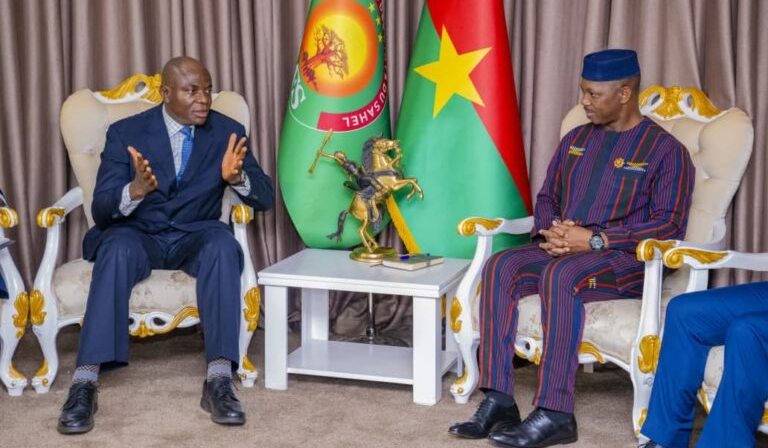
Burkina Faso seeks closer parliamentary ties with Nigeria
Burkina Faso is seeking closer parliamentary ties with Nigeria to strengthen bilateral relations, tackle shared security challenges and deepen economic cooperation.


