

Groups urge Kenya’s parliament to pass bill to address discrimination against widows
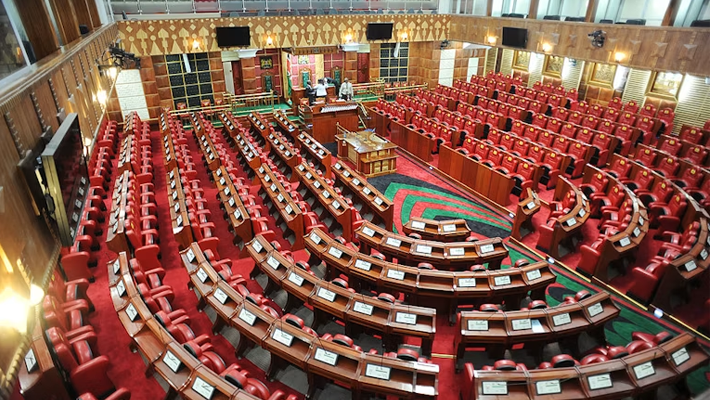
Non-governmental organisations Equality Now and the Come Together Widows and Orphans Organisation have urged members of parliament in Kenya to pass the Widowed Persons Protection Bill, 2026, before the end of this year’s parliamentary session.
In a statement jointly issued on Tuesday to commemorate this year’s International Widows’ Day, the organisations noted that passing the bill would provide all widowed persons with long-overdue legal protections against widespread discrimination and other harmful practices.
The bill, sponsored by Otiende Amollo from Rarieda Constituency and submitted to parliament in May, was meant to transform widowhood from a condition of vulnerability into one of protected status and to ensure that widowed persons do not lose their rights, security, dignity, or standing in society.
The organisations further noted that the proposed legislation aimed to unify legal protections and create a single, dedicated framework of rights covering equality, dignity, property and inheritance, custody, health, privacy, and digital safety.
The groups said, “The Bill would criminalise coercive mourning rites, widow inheritance, forced marriage, and forced removal of children. It would be a criminal offence to unlawfully seize a widowed person’s property or evict them from the matrimonial home after a spouse dies.
“Harassment, falsely accusing a widowed person of causing the death of a spouse, or branding them a witch, would be unlawful, and to address online harassment and inheritance fraud, their right to digital safety would be guaranteed.”
The statement also stated that the bill would create a framework for data collection, research, and reporting, with widowed persons recognised as a distinct policy group.
Citing the need to ensure that the bill aligns with the Maputo Protocol and the UN Convention on the Elimination of All Forms of Discrimination against Women (CEDAW), the organisations noted that the bill aimed to close longstanding gaps for widowed persons to fully benefit from the rights guaranteed under national, regional and international law.
Dianah Kamande, CTWOO executive director, said the law becomes necessary because widows are often forced from their homes by family and community members, unlawfully stripped of their possessions, deprived of livelihoods, and denied custody of their children after the death of their spouses.
According to her, communities still subject widows to harmful mourning rites, which may include scarification, coerced fasting, denial of medical care, forced shaving of hair, or being prevented from bathing.
“Every week, women come to CTWOO after losing their husbands and then their home, their dignity, sometimes even their children. Kenya’s Widowed Persons Protection Bill draws a clear line between cultural practices that strengthen communities and those causing harm.
“Culture is not static. It can evolve in ways that acknowledge tradition while ensuring widows are afforded the same dignity, equality, and protection under the law as everyone else,” Ms Kamande stated.
A human rights lawyer with Equality Now, Deborah Nyokabi, also noted that, if passed into law, the bill would set a precedent as the first dedicated law on the rights of widowed persons in Africa.
“By addressing legal, social, and economic harms together, it would provide a blueprint for reform in other African countries, where widows face similar discrimination, abuse, and inadequate legal safeguards,” Ms Nyokabi said.

We have recently deactivated our website's comment provider in favour of other channels of distribution and commentary. We encourage you to join the conversation on our stories via our Facebook, Twitter and other social media pages.

More from Peoples Gazette

Agriculture
FG tasks ECOWAS on leveraging financing strategies for agroecology
The federal government has urged stakeholders in the agriculture and finance sectors in the West Africa region to leverage financing strategies to enhance agroecology practices

Politics
Katsina youths pledge to deliver over 2 million votes to Atiku
“Katsina State is Atiku’s political base because it is his second home.”

States
Police nab four suspects for alleged child trafficking in Abia
Ms Chinaka said the suspects allegedly conspired to steal a four-day-old baby from her mentally unstable mother.
Agriculture
Enugu hires over 160 professionals to revive livestock production
Mr Ubru said the recruitment was in fulfilment of Governor Peter Mbah’s vision to revamp the agricultural sector.

Heading 2
Plateau government disburses N1.5 billion intervention funds to attack victims
Governor Caleb Mutfwang formally inaugurated the disbursement of the funds on Monday in Jos.

Heading 5
Don’t destroy APC like you did PDP, group warns Wike
Mr Wike has insisted that his major political priority remained securing the re-election of Mr Tinubu in 2027.

Heading 1
Atiku condemns Tinubu’s prolonged vacation abroad, says Nigeria can’t be governed on autopilot
Mr Onanuga said that the president would return to the country at the weekend.

Economy
ECOWAS to honour 60 West African start-ups
The top three start-ups will receive $30,000, $20,000 and $15,000 respectively in seed funding.


