

How to start forex trading in Nigeria – The Ultimate guide
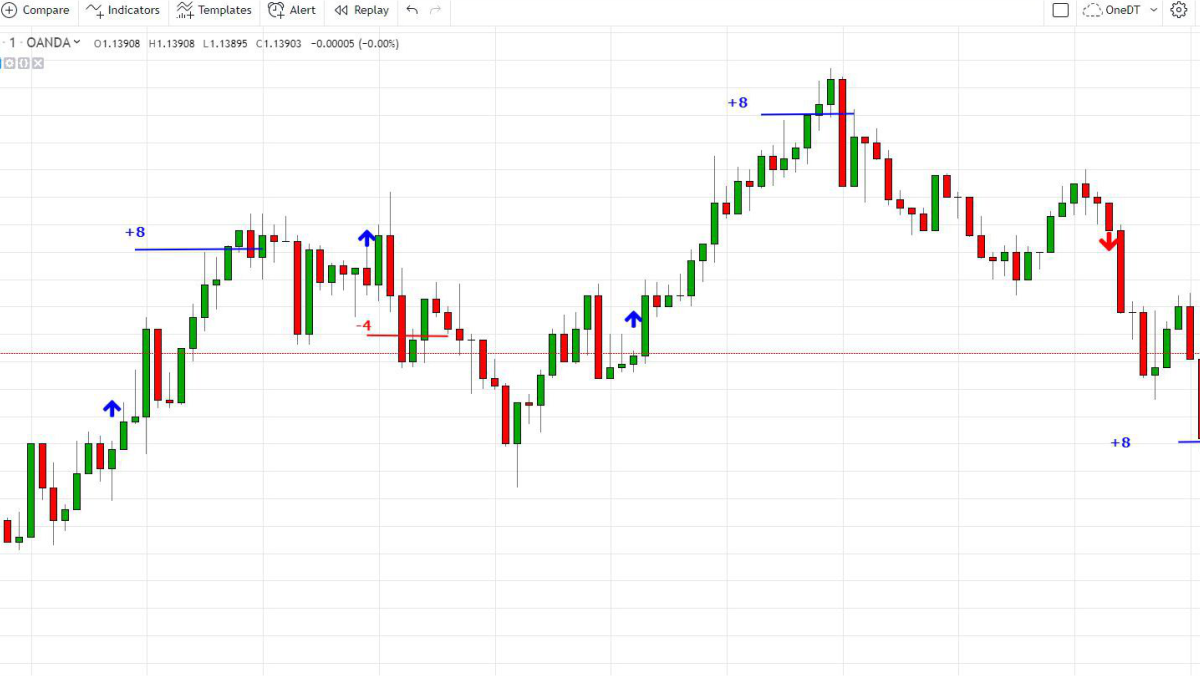
The foreign exchange market, also known as Forex or FX, is the world’s largest financial market, with trillions of dollars traded daily. It allows participants to buy, sell, and speculate on the value of currencies. Forex trading has become increasingly popular in Nigeria, with people seeking new investment opportunities. However, this market is very complex and requires a proper understanding of the dynamics before investing. In this detailed article, we are going to look at how to start forex trading in Nigeria. This piece is meant to be the ultimate guide to beginner forex traders. Let’s dive in.
Understanding the Basics of Forex Trading
Before placing your first trade, it’s essential to understand the basic concepts of forex trading. Simply put, forex trading involves exchanging one currency for another with the goal of making a profit from fluctuations in currency exchange rates. There are many strategies that traders use in the market depending on their risk tolerance. It may take some traders years to develop their own strategy as they adapt and learn to the ever-changing forex market. However, some traders find it easier to use copy trading platforms to follow the moves of more successful traders in the market. This way, they do not have to spend time on the charts analysing market movements.
Nonetheless, it is important for everyone to have their own basic understanding of the market even if they are copying the trades of others. Here are a few basic terms used in the market and their meanings.
Basic Terms Used in the Forex Market
Currency Pairs
Forex trading involves buying and selling currencies in pairs. The first currency in the pair is the base currency, and the second is the quote currency. The price of a currency pair represents how much of the quote currency is needed to buy one unit of the base currency. For example, EURUSD indicates the Euro (EUR) is the base currency, and the US Dollar (USD) is the quote currency. A price of 1.20 EUR/USD means you need $1.20 to buy €1.
Pips
A pip is the smallest price movement for a currency pair. Most currency pairs have a pip value of 0.0001, except for Japanese Yen (JPY) pairs, which have a pip value of 0.01.
Lots
Forex trades are conducted in lots which represent a standardized unit of currency. The most common lot size is the standard lot, which equals 100,000 units of the base currency. Mini lots (10,000 units) and micro lots (1,000 units) are also available for smaller trades.
Leverage
A key feature of Forex trading is leverage. It allows traders to control a larger position than their own capital would allow. For example, with 1:100 leverage, a $100 capital allows one to control a $10,000 position. However, it is important to note that leverage can magnify both profits and losses, so it’s crucial to use it cautiously.
With those out of the way, let’s now see how to start forex trading in Nigeria.
How To Start Forex Trading in Nigeria
1. Educate Yourself
Before anything, it is important to develop a solid understanding of the ins and outs of the forex market. While it is impossible to learn everything at the start, this is still a crucial step that may save you from a bumpy start to your trading journey. There are many resources online dedicated to both beginner and experienced traders. There are a lot of brokers that provide an education section with articles, videos, seminars, ebooks, and a plethora of other materials. Additionally, there are websites, books, and seminars freely available to traders online.
2. Choose a Reputable Forex Broker
This is probably the most important step for a beginner trader. There are many brokers in the market that do not deliver on what they promise and others that actually steal from their clients. Luckily, there is also no shortage of reputable brokers with quality services. But how do you differentiate the good ones from the bad ones? There are several key features that traders usually look at to determine the credibility of a broker. Below is a summary of these features:
- Regulation – Above everything, always make sure to select a broker that has regulations from reputable organizations. While regulations alone are not enough, they are a good sign of a broker that respects the rule of law. Unfortunately, the Nigerian forex market is poorly regulated and traders usually end up picking brokers that are regulated by reputable institutions from other jurisdictions.
- Spreads and Other Fees – Choosing a broker that offers low spreads and commissions ensures that you can maximise your earning potential. Compare fees and choose a broker that best suits your needs.
- The Trading Platform – Different brokers offer various trading platforms. Look for a user-friendly platform with features like charting tools, technical indicators, and order types that suit your trading style. Consider the availability of mobile apps for on-the-go trading.
- Availability of Trading Instruments – It is important to consider the market assets that are available on your chosen broker site. The more the trading instruments, the more the diversification options.
- Customer Support – reliable and responsive customer support is vital in case you encounter any issues with your account or the platform. Ensure the broker offers multiple support channels like phone, email, and live chat.
These are only a few key features that traders look at when selecting a broker. However, you can also check the minimum deposit, promos and bonuses, the leverage level, and other features to see if they meet your specific needs.
3. Open A Trading Account
Once you’ve chosen a broker, the next step is to open a trading account. Most brokers offer different types of accounts to fit different kinds of traders. These can include micro accounts, standard accounts, zero spread accounts, and pro accounts. Before using a live trading account, it is wise to practice on a demo account so you can experience the highs and lows of trading in a virtual environment. Once you are ready to give the live market a go, just select the account that best suits you and fund it.
4. Develop a Trading Strategy
Once you have your account funded, it is now time to develop your strategy and understand what kind of a trader you are. To have a clear trading strategy, there are two main things that traders must consider. These include their trading goals and their risk tolerance. Defining clear short-term and long-term goals will help traders formulate an approach down to the preferred entry and exit points. Moreover, understanding how much capital one is willing to put on the line can help a trader adjust their strategy to changing markets. Keeping a trading journal can help a trader track their performance and areas they need to improve on.
5. Start Trading
With your account funded and your trading plan in place, you are ready to start trading. It is important to begin with small positions to minimize risk. Use the demo account alongside your real account to test new strategies without financial risk before deploying them in the live market. Additionally, it is important to know that the forex market is a dynamic and evolving market. Continuous learning is essential for a successful trading career.
Important Risk Management Techniques
Effective risk management is crucial to long-term success in forex trading. Here are some techniques traders use:
- Use of Stop-Loss Orders – A stop-loss order is an instruction to close a trade at a specific price level to limit losses. This helps protect your capital from significant losses.
- Diversification – Avoid putting all your money into one trade or one currency pair. Diversify your trades across different currencies and strategies to spread risk.
- Leverage Management – While leverage can amplify profits, it can also magnify losses. Use leverage cautiously and understand the risks involved. It’s advisable to use lower leverage ratios when starting out.
- Position Sizing – Adjust the size of your positions based on your risk tolerance and the size of your trading account. This ensures that no single trade can have a devastating impact on your overall capital.
Common Mistakes to Avoid
- Emotional Trading – Letting emotions drive your trading decisions can lead to poor outcomes. Stay disciplined and adhere to your trading plan, regardless of market conditions.
- Lack of Education – Jumping into forex trading without adequate knowledge is a recipe for disaster. Take the time to educate yourself and understand the market dynamics.
- Overtrading – Trading too frequently or with too much volume can lead to significant losses. Stick to your trading plan and avoid impulsive trades.
- Ignoring Risk Management – Neglecting risk management strategies can quickly deplete your trading capital. Always use stop-loss orders and manage your leverage carefully.
Conclusion
Forex trading in Nigeria can offer a lucrative opportunity for Nigerian people. However, it requires a solid understanding of the market, disciplined trading strategies, and effective risk management. This comprehensive guide has provided you with the foundational knowledge to navigate this complex market. With a slow and methodical approach, beginners can navigate the complexities of forex trading and work towards achieving their financial goals. Moreover, continuous education is necessary to adapt to the ever-changing market.

We have recently deactivated our website's comment provider in favour of other channels of distribution and commentary. We encourage you to join the conversation on our stories via our Facebook, Twitter and other social media pages.

More from Peoples Gazette

States
Independence: NBA urges Nigerians to expect better future
The NBA said that ordinary Nigerians should be deriving benefit from the subsidy removal rather than hardship.

Agriculture
FG tasks ECOWAS on leveraging financing strategies for agroecology
The federal government has urged stakeholders in the agriculture and finance sectors in the West Africa region to leverage financing strategies to enhance agroecology practices

Politics
Katsina youths pledge to deliver over 2 million votes to Atiku
“Katsina State is Atiku’s political base because it is his second home.”
States
Otti advises Abia residents to reject election-season politicians’ promises
The bishop thanked God for giving Abia the opportunity to be governed by Mr Otti.

Heading 3
NiMet predicts three-day rain, sunshine nationwide from Monday
The agency also predicted cloudy skies with intervals of sunshine across the southern region.
States
Environmentalists seek probe into Bayelsa, Rivers tremors
A fruit seller, Benita Douglas, said the vibration broke another trader’s table.

States
Coalition urges investment in girls’ education to end child marriage
Mr Ibn-Attahir said keeping girls in school was essential to ending child marriage.

Hot news Home top
FG condemns Houthi attack on Saudi Arabia’s airport, urges restraint
The ministry stressed the need to respect Saudi Arabia’s sovereignty and territorial integrity.

States
PDP governorship candidate vows free shops for traders affected by Enugu market demolition
Mr Nnaji described trading as an integral part of the people’s economic and social life.


