

Human factors leading cause of road crashes in Nigeria: FRSC

The Corps Marshal, Federal Road Safety Corps (FRSC), Shehu Mohammed, has identified human factors as the leading cause of road traffic crashes in Nigeria.
Mr Mohammed said this while declaring open the 2026 Annual Mandatory Training Workshop for Proprietors and Instructors of Driving Schools on Wednesday in Abuja.
He stressed the need to strengthen driver education and training systems nationwide.
The FRSC boss said the workshop, organised as part of the Driving School Standardisation Programme (DSSP), was aimed at strengthening professional driver education and promoting safer roads across the country.
He said the 2026 workshop, with the theme: “Professional Driver Education Using Innovative Training Models to Improve Road Safety and Reduce Fatalities in Nigeria,” was designed to modernise driver training.
According to him, this would be achieved through innovation, professionalism, and the adoption of global best practices.
He explained that the lecture sessions had been structured to address critical strategic areas aimed at improving both the technical and instructional competencies of driving instructors.
He added that the workshop would also strengthen the institutional and managerial capacity of driving school operators.
Mr Mohammed described road traffic crashes as one of the most serious public safety challenges globally.
He noted that beyond the loss of lives, crashes result in severe injuries, economic losses, and long-term social consequences for families, communities, and national development.
“Despite sustained efforts by the FRSC and other stakeholders, road crashes remain a major concern in Nigeria.
“Operational data and crash investigations by the corps consistently show that human factors account for the majority of road traffic incidents in the country.
“Unsafe driver behaviour, inadequate training, poor understanding of traffic regulations, and weak driving culture remain significant contributors to the crash burden in our country,” he said.
He noted that the situation places enormous responsibility on driving schools, which serve as the primary institutions responsible for preparing drivers before they enter the road transport system.
He added that road safety begins with the quality of training drivers receive at the driving school level.
The corps marshal explained that the DSSP was introduced as a comprehensive regulatory framework to ensure that driving schools operate in line with approved standards and internationally recognised best practices.
He said the programme had recorded measurable progress in strengthening regulation, improving training curriculum, and promoting professionalism among instructors.
This, he said, had also enhanced the credibility of driver licensing processes and fostered collaboration with state governments and other stakeholders.
Mr Mohammed, however, noted that the road transport environment was constantly evolving due to advances in vehicle technology, emerging mobility trends, and the growing complexity of modern road systems.
He said these developments required continuous adaptation, innovation, and improvement in driver education systems.
He expressed optimism that through collective efforts, Nigeria could build a road transport system defined by safety, professionalism, discipline, and responsibility.
He thanked participants for their commitment to road safety and wished them a successful workshop.
The corps marshal commended the presence of the FCT Minister, Nyesom Wike, who was the special guest of honour at the occasion.
Mr Mohammed noted that the participation of state governments underscored their critical role in supporting national road safety initiatives and promoting responsible driver education at the community level.
(NAN)

We have recently deactivated our website's comment provider in favour of other channels of distribution and commentary. We encourage you to join the conversation on our stories via our Facebook, Twitter and other social media pages.

More from Peoples Gazette

Agriculture
FG tasks ECOWAS on leveraging financing strategies for agroecology
The federal government has urged stakeholders in the agriculture and finance sectors in the West Africa region to leverage financing strategies to enhance agroecology practices

Politics
Katsina youths pledge to deliver over 2 million votes to Atiku
“Katsina State is Atiku’s political base because it is his second home.”

Education
UniCal reaffirms ban on wild post-exam celebrations, warns students
The University of Calabar has reiterated its ban on wild post-examination celebrations and other acts that could disrupt peace on campus.

Politics
Governors urged to embrace non-custodial prison sentences
Mr Enobore, a former spokesman for the Nigeria Correctional Service, gave the charge in an interview on Monday in Abuja.
Opinion
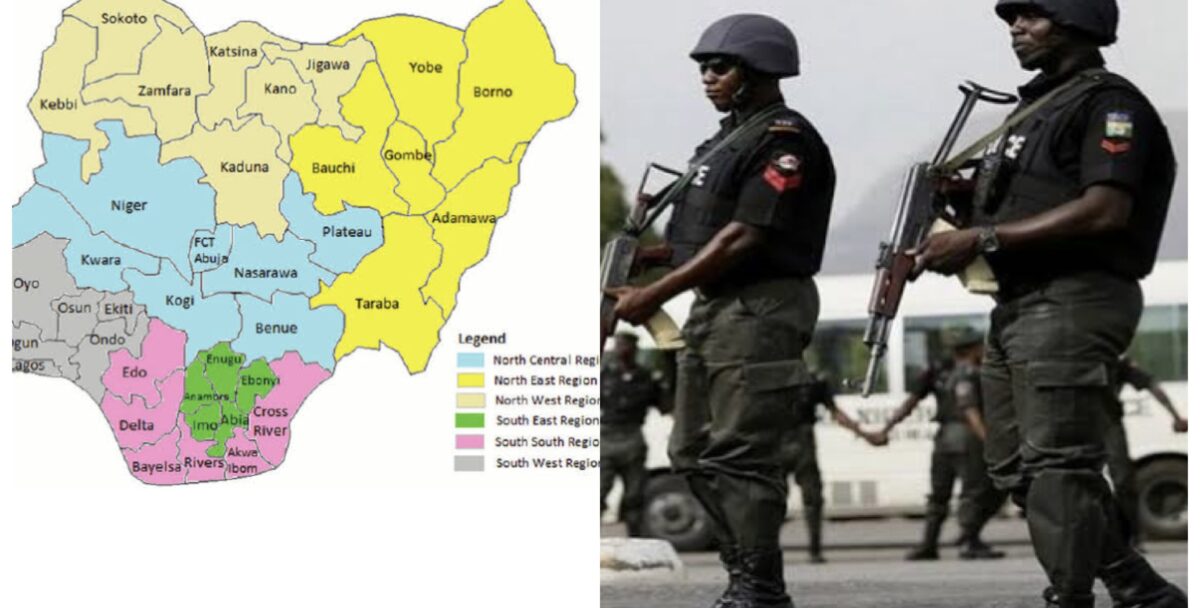
Some foundational arguments on state police (Part Deux)
What kind of police federalism does Nigeria need?

States
Kano architects demand strict enforcement of building regulations
Disturbed by recurring cases of building collapses, the Kano State chapter of the Nigerian Institute of Architects has called for strict enforcement of building regulations.

States
Flooding: NEMA, KADSEMA search for missing persons in Kaduna River
NEMA and KADSEMA have launched a search-and-rescue operation for two persons swept away by floodwaters in the Kaduna River.
States
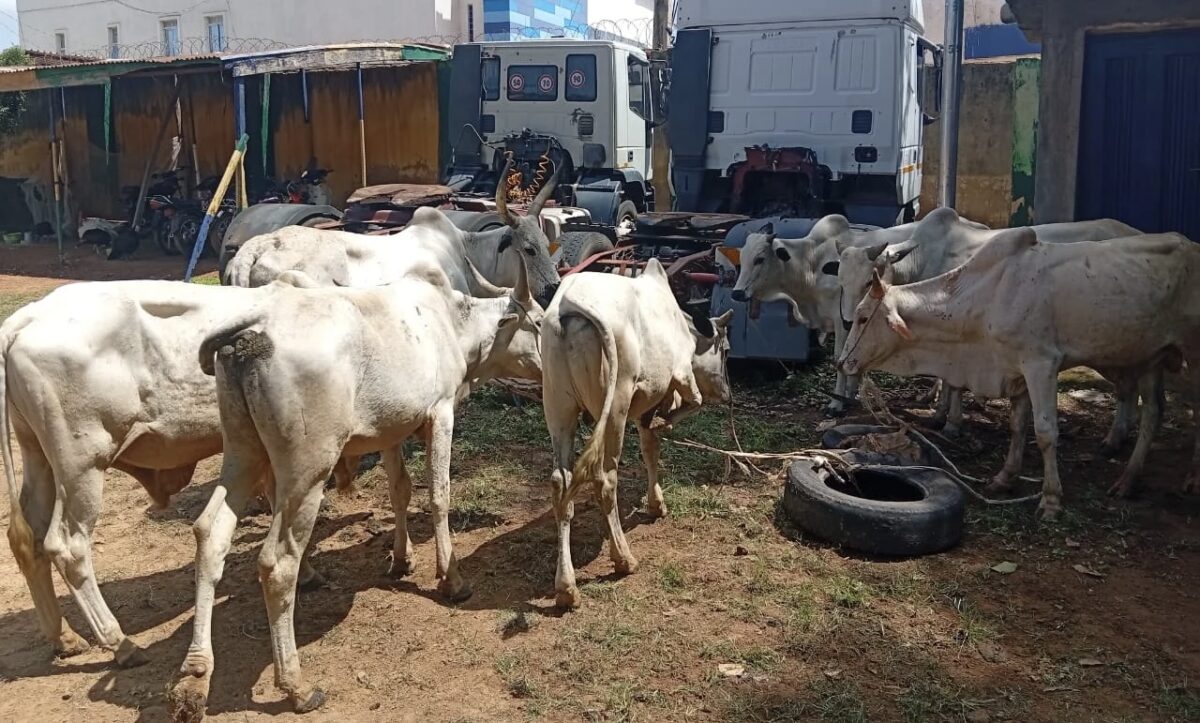
Police rescue 15 cows, one Katsina resident from bandits
The police command in Katsina says it has foiled kidnap and cattle rustling attempts in Funtua and Musawa council areas, rescuing one kidnap victim and recovering 15 rustled cows.


