


Indian vaccine company let Africa down: ACDC
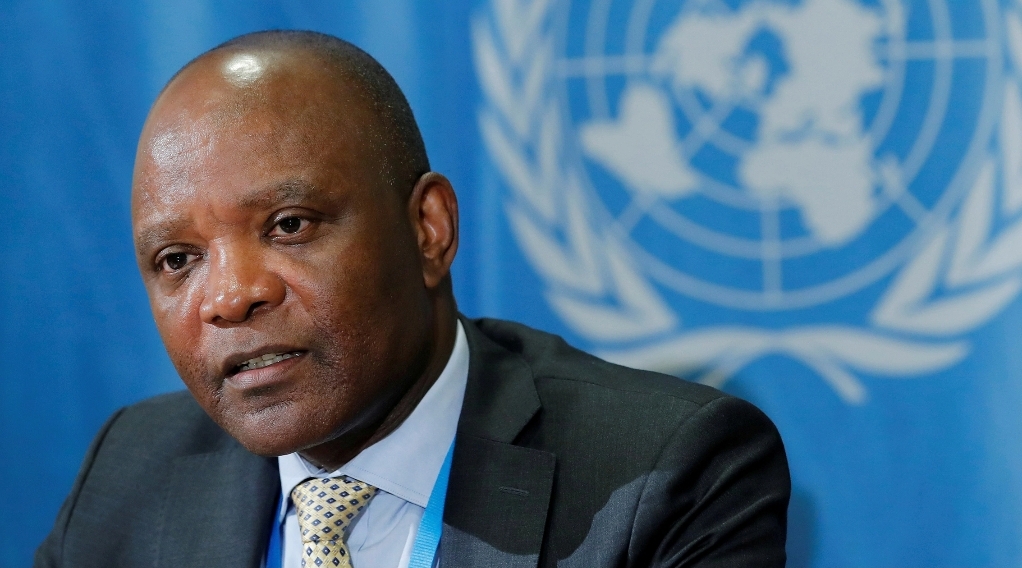
The Africa Centres for Disease Control (ACDC) slammed Serum Institute of India, the world’s biggest vaccine maker, for letting Africa down by pulling out of talks to supply Coronavirus (COVID-19) vaccines.
ACDC head John Nkengasong said on Thursday that the institute created distrust that affected the demand for the vaccines.
He denounced recent comments from Serum that uptake of its COVID-19 shots had slowed because of low demand from Africa and vaccine hesitancy.
He said the real problem was that Serum had acted unprofessionally.
Serum did not immediately respond to a Reuters request for comment.
Mr Nkengasong said Serum had engaged in discussions last year with the Africa Vaccine Acquisition Task Team (AVATT).
“At one point I believed a deal was very close, but then Serum abruptly ended the talks.
“Serum just decided to act in a very unprofessional manner and stop communicating with the AVATT team.
“ So that created a situation where we found ourselves extremely unhappy and then engaged with Johnson & Johnson,” he said.
He added that African countries had agreed to buy 400 million doses of COVID vaccines from J&J, abandoning efforts with Serum.
Earlier in 2021, India decided to ban vaccine exports as domestic infections soared, which had created further distrust abroad and that explained the lack of demand from Africa for Serum’s vaccines.
“If Serum is now shipping vaccines to COVAX, I don’t know the mechanics of what volumes they are shipping to COVAX.
“But it will not surprise me that countries are now looking as if we needed you and you were not there for us,’’ he said.
Global vaccine-sharing network COVAX is still seeing strong demand for Serum’s AstraZeneca shot, one of its backers GAVI said on Thursday, following comments from Serum that uptake had slowed.
Mr Nkengasong described as “condescending” comments by Adar Poonawalla, the Chief Executive of Serum, in a recent interview with a British newspaper about low demand from Africa.
Although vaccine supplies have started increasing to Africa, where just 7.5 per cent of its more than one billion people are fully vaccinated.
Many African nations are finding it difficult to manage the shots.
Up to a million unused vaccine doses supplied via COVAX are estimated to have expired in Nigeria in November underscoring the difficulty African countries have getting shots in arms.
(Reuters/NAN)

We have recently deactivated our website's comment provider in favour of other channels of distribution and commentary. We encourage you to join the conversation on our stories via our Facebook, Twitter and other social media pages.

More from Peoples Gazette

Agriculture
FG tasks ECOWAS on leveraging financing strategies for agroecology
The federal government has urged stakeholders in the agriculture and finance sectors in the West Africa region to leverage financing strategies to enhance agroecology practices

Politics
Katsina youths pledge to deliver over 2 million votes to Atiku
“Katsina State is Atiku’s political base because it is his second home.”

Hot news Home top
Over 150 dead, hundreds missing as massive flash flood hits Nepal-Tibet
The embassy also warned U.S. citizens to avoid the affected areas.
Abuja
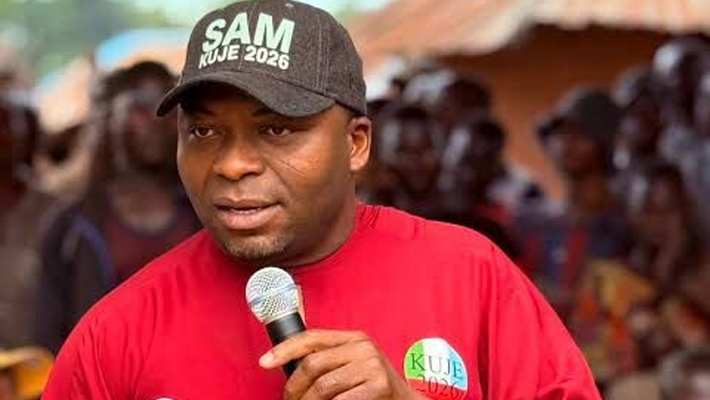
‘Vote APC or leave Kuje’: Shekwolo says comment aimed at promoting ‘development’
Human rights organisation Amnesty International strongly condemned Mr Shekwolo’s threat.
Africa
CAR, DRC, Uganda, Congo, South Sudan commit to stop Bundibugyo Ebola spread
The countries made the agreement in Bangui, C.A.R., on Wednesday.

Heading 5
Jackrich writes Tinubu, seeks urgent implementation of Senate resolution on 2,000 amnesty slots for Egberipapa camp
According to the petition, the Senate committee conducted legislative hearings on the matter.

States
Troops rescue two kidnap victims in Plateau
He said the operation was conducted on Tuesday at about 9:00 a.m.

Hot news Home top
Subsidy: Atiku confused, spewing ignorance; inflation not driven solely by petrol prices, presidency fires back
The former vice-president contested but lost to Mr Tinubu in 2023.


