

Internet blocked in Ethiopia after church rift turns violence

Internet watchdog, NetBlocks, on Friday, reported that access to social media platforms has been restricted in Ethiopia following violent protests sparked by a rift within the country’s Orthodox Church.
The protests broke out in the Oromiya region when three church officials declared themselves archbishops in January and set up their own governing body, making some demonstrators oppose the move and others supporting it.
The church said in a statement on Thursday that at least 30 people have been killed in protests since February 4.
The statement called for demonstrations on Sunday, accusing the Ethiopian government of “meddling” in the church’s internal affairs after Prime Minister Abiy Ahmed asked his ministers to stay out of the dispute.
The Ethiopian state has traditionally maintained close ties to the Orthodox Church, to which more than 40 per cent of the population adheres.
Ethiopian government spokesperson Legesse Tulu did not immediately respond to requests for comment on Friday.
The government said in a statement on Thursday that the upcoming protest was banned to prevent violence.
NetBlocks said in a statement that access to Facebook, Messenger, TikTok and Telegram was severely restricted, citing network data it had collected.
Ethiopian authorities have previously shut down or restricted access to the internet during periods of political unrest, including in response to protests in 2020 that followed the killing of a popular singer from Oromiya.
Internet and phone communications were also shut down in the northern Tigray region for most of a two-year war that ended in a ceasefire in November.
The Orthodox Church vowed in its statement that Sunday’s protest would go ahead. It said the government’s ban constituted “a declaration to destroy the church once and for all”.
Oromiya, home to Ethiopia’s largest ethnic group, has experienced violent conflict for many years, part of wider unrest in Ethiopia, a multi-ethnic country where power has long been contested between federal and regional authorities.
(Reuters/NAN)

We have recently deactivated our website's comment provider in favour of other channels of distribution and commentary. We encourage you to join the conversation on our stories via our Facebook, Twitter and other social media pages.

More from Peoples Gazette

States
Independence: NBA urges Nigerians to expect better future
The NBA said that ordinary Nigerians should be deriving benefit from the subsidy removal rather than hardship.

Agriculture
FG tasks ECOWAS on leveraging financing strategies for agroecology
The federal government has urged stakeholders in the agriculture and finance sectors in the West Africa region to leverage financing strategies to enhance agroecology practices

Politics
Katsina youths pledge to deliver over 2 million votes to Atiku
“Katsina State is Atiku’s political base because it is his second home.”

States
One killed, three injured as gunmen attack NDC candidate’s convoy in Ebonyi
The candidate said suspected political thugs attacked his motorcade and set his Toyota Hilux vehicle ablaze.

Abuja
Abuja police nab seven suspects over kidnapping, murder
Mr Victor said the arrest followed actionable intelligence, in collaboration with vigilante operatives and other security agencies.
Education
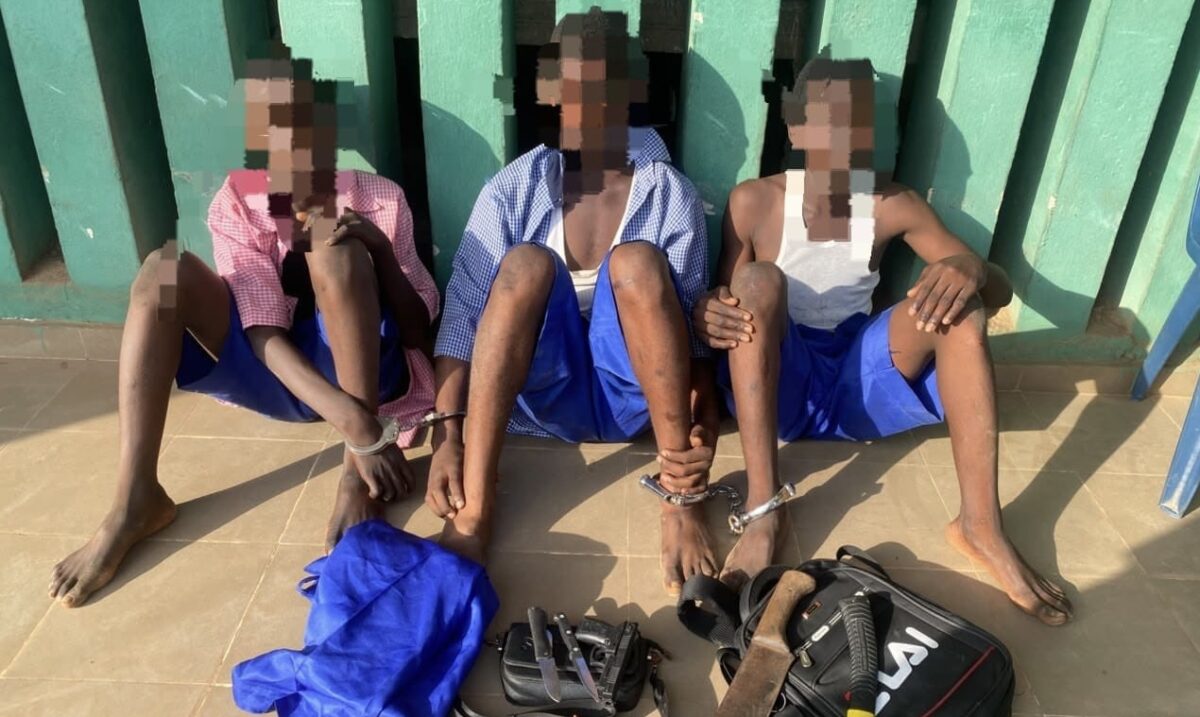
Three secondary school students arrested during cult initiation in Ogun
The command spokesperson, Oluseyi Babaseyi, told journalists on Friday that one suspect is 12 years old, while the other two are 18.

States
FG begins construction of 120MVA transmission substation in Katsina
Mr Olasunkanmi commended President Bola Tinubu for supporting investments in the power sector.
NationWide
Japan’s JICA provides $10.4 million grant for Nigeria’s innovation hub
The Japanese ambassador to Nigeria said Japan’s support for Nigeria’s startup ecosystem focused on strengthening institutions.

Port Harcourt
2027: Rainbow Coalition promoting unity, stability in FCT, Wike says
Mr Wike cautioned voters against political gamblers and online rhetoric, urging residents to focus on tangible achievements.


