

Kaduna to begin collecting 10% withholding tax on rental properties
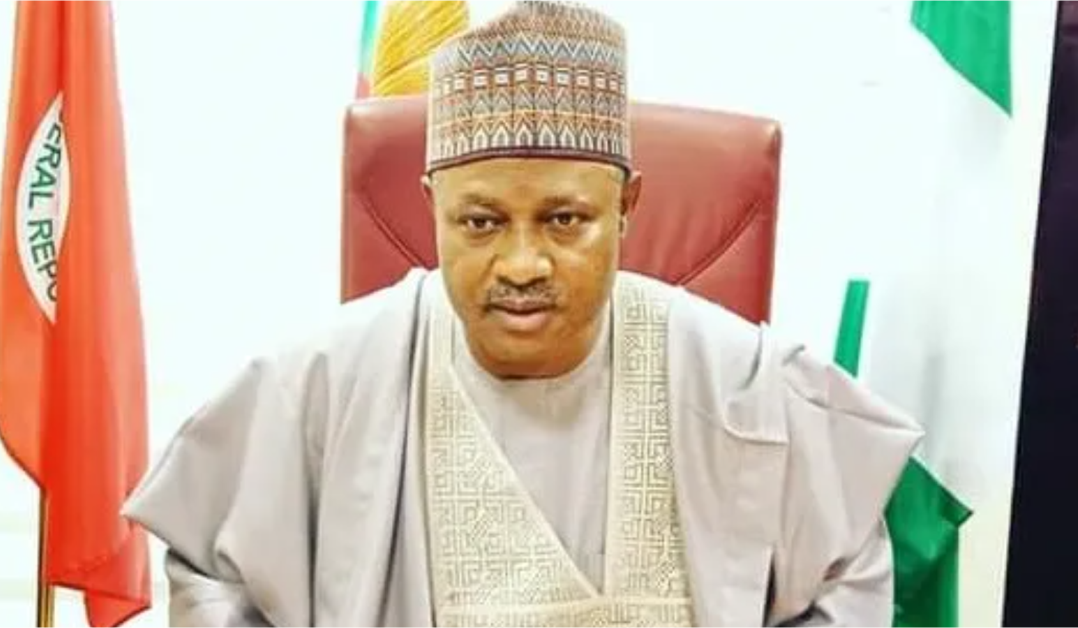
The Kaduna State Internal Revenue Service (KADIRS) on Monday sensitised stakeholders to the 10 per cent withholding tax on rent and properties.
Speaking to journalists, KADIRS chairman Jerry Adams said the withholding tax on rent was a new revenue line they had not been collecting.
He pointed out that the withholding tax is enshrined in the Kaduna State Tax Codification and Consolidation Law.
Mr Adams explained that as a new area KADIRS wants to venture into, it was critical they sensitised the key stakeholders in the field.
He disclosed that, henceforth, the service would collect 10 per cent of the rent that landlords and other stakeholders who deal in rent and properties receive on their properties.
Mr Adams stressed that many properties are being rented out in the state; hence, KADIRS expects significant revenue from this initiative.
Speaking on the feasibility of the tax collection, the chairman said KADIRS has conducted a survey, which is still ongoing.
He also mentioned that extensive enumeration is being carried out to identify the rented properties.
On compliance, the chairman said KADIRS’s intelligence unit was diligently discharging its functions, and the service had also embarked on a massive media sensitisation campaign.
“All these efforts are ongoing. The citizens have to perform their civic responsibilities of tax compliance so they can also become stakeholders in the affairs of the state. If people pay tax, they can ask questions about what the government is doing for them,” Mr Adams said.
He commended Governor Uba Sani for his achievements, which included the groundbreaking and inauguration of multiple projects.
According to him, these efforts should demonstrate to the citizens that their taxes are being utilised properly, encouraging them to comply with tax laws.
“In spite of the huge debt burden on the state and lean resources, the governor has still managed to execute massive projects in one year. This means that once we have more money, the state will be the new Dubai,” he said.
One of the stakeholders, Abdulkarim Obaito, the immediate past chairman of the Nigerian Institute of Estate Surveyors and Valuers, Kaduna branch, described withholding tax as one of the oldest taxes.
He noted that properties are the surest access to taxes the government can impose.
Stakeholders at the event included landlords, professional bodies, and civil society organisations, among others.
(NAN)

We have recently deactivated our website's comment provider in favour of other channels of distribution and commentary. We encourage you to join the conversation on our stories via our Facebook, Twitter and other social media pages.

More from Peoples Gazette

Agriculture
FG tasks ECOWAS on leveraging financing strategies for agroecology
The federal government has urged stakeholders in the agriculture and finance sectors in the West Africa region to leverage financing strategies to enhance agroecology practices

Politics
Katsina youths pledge to deliver over 2 million votes to Atiku
“Katsina State is Atiku’s political base because it is his second home.”

Abuja
Residents consider healthy diets amid concerns over processed foods
Mr Akuba said the growing public interest in food quality presented an opportunity to improve nutrition awareness across communities.

States
Victims count losses as fire guts four shops in Calabar
Mr Nyong commended CR-SEMA for its prompt response.

States
Gov. Bago urges Niger APC to reconcile aggrieved members ahead of 2027 poll
Mr Bago stressed the need for unity among party members.

Heading 5
Alleged Tranfer Move: Shooting Stars declare footballer Ayodele Ismail AWOL, report Egypt-based agent to FIFA
The 3SC management warned prospective buyers that Ismail is still legally contracted to the club, noting any transfer negotiation must be with the Oluyole Warriors.

Heading 1
2027: APC governorship candidate says opposition politicians only after Ogun treasury
President of the Council of Iyalajes and Babaalajes in Remoland, Olufunke Oyelaja, pledged the group’s support for Mr Adeola’s governorship bid.
Heading 2
Ooni of Ife mourns elder brother, says his death created irreplaceable vacuum
The monarch prayed for the departed soul to rest in peace and for comfort for his immediate family, friends, business associates and everyone whose lives he impacted.


