

Kaduna to build resilience in adolescents living with HIV

The Kaduna State Government announced on Tuesday that it is working to build resilience in adolescents living with HIV as they transition to adulthood.
Permanent Secretary of the State Ministry for Health, Aisha Abubakar-Sadiq, disclosed this during a meeting focused on strengthening the resilience of adolescents living with HIV within communities.
The meeting also aimed at improving retention in care through the Star-C Project and the Kaduna State 2025-2028 HIV/AIDS Strategic Development Plan Inception.
She emphasised the challenges faced by adolescents living with HIV and stated that the state needed to change its approach to effectively tackle these issues.
Ms Abubakar-Sadiq also called for partnerships to address the crucial area of intervention to reduce the spread of the disease.
The meeting aims at building partnerships for the smooth execution of the Society for Family Health (SFH) Nigeria STAR-C Project in the state.
Director of Paediatrics and Adolescent Health at SFH, Aisha Dadi, spoke about the project’s objectives, highlighting the need to build resilience among adolescents living with HIV.
She explained that HIV prevalence among adolescents in the country had risen from 0.2 per cent to 1.3 per cent based on 2018 data.
She also noted that there were 190,000 adolescents living with HIV, with females experiencing four times the prevalence rate of males.
Ms Dadi further stated that the HIV prevalence among adolescents in the North-West was 3.3 per cent, higher than the national rate of 2.9 per cent, and close to the global adolescent prevalence of 4 per cent.
She pointed out that adolescent HIV cases often went undiagnosed due to low risk perception and poor health-seeking behaviour.
“Gender disparities and socioeconomic factors also contribute to increased vulnerability among adolescent girls. Adolescence is a stage where we believe young people face significant challenges, and even as they transition into adulthood, they will continue to face these issues. This project offers an opportunity to build their resilience, enabling them to retain HIV treatment as they transition into adulthood,” Ms Dadi said.
She expressed that by the end of the project, the goal would be to have adolescents who are resilient, empowered, and free from stigma, enabling them to reach their full potential.
Shre said, “We want them to live their full potential, and we want to see more adolescents empowered through this programme.”
Acknowledging the progress made in adult HIV treatment, Ms Dadi pointed out that adolescents still lagged behind in terms of case finding, diagnosis, and viral suppression.
She noted that most HIV intervention programmes focused on adults, leaving adolescents underserved.
“Many adolescents remain undiagnosed, with high dropout rates from anti-retroviral treatment (ART) programmes. Poor adherence leads to an increased risk of disease progression,” Ms Dadi said.
Ms Dadi disclosed that the project would span both healthcare facilities and communities, leveraging existing community structures to ensure that those who were unaware of their HIV status received the necessary information to seek testing and care.
The state Coordinator of the Association of Young People Living with HIV/AIDS in Nigeria, Sambo Elias, noted that the project was timely, as it aligned with the association’s network.
He highlighted that the network provides support groups for new patients and adolescents living with HIV.
He highlighted the association’s success in creating resilience through joint care and knowledge-sharing.
“This project will have a greater impact, and we have a role to play by ensuring young people between the ages of 10 and 19 receive adequate knowledge on adherence, combating self-stigma, and dealing with discrimination. We will also ensure they are informed about sexual and reproductive health,” Mr Elias stated.
Peter Ezekiel of the Eagle Lead Initiative, speaking on behalf of community-based organisations in the state, pledged full support for the initiative.
As partners in implementing HIV/AIDS programmes in the state, he expressed commitment to ensuring the smooth execution of the project.
He particularly emphasised the importance of targeting adolescents living with HIV/AIDS, a group that is at high risk of treatment default and non-adherence.
(NAN)

We have recently deactivated our website's comment provider in favour of other channels of distribution and commentary. We encourage you to join the conversation on our stories via our Facebook, Twitter and other social media pages.

More from Peoples Gazette

States
Independence: NBA urges Nigerians to expect better future
The NBA said that ordinary Nigerians should be deriving benefit from the subsidy removal rather than hardship.

Agriculture
FG tasks ECOWAS on leveraging financing strategies for agroecology
The federal government has urged stakeholders in the agriculture and finance sectors in the West Africa region to leverage financing strategies to enhance agroecology practices

Politics
Katsina youths pledge to deliver over 2 million votes to Atiku
“Katsina State is Atiku’s political base because it is his second home.”

States
Zulum seeks stronger military operations around Lake Chad
Mr Zulum stressed that military clearance operations must be followed by effective stabilisation measures.
Africa
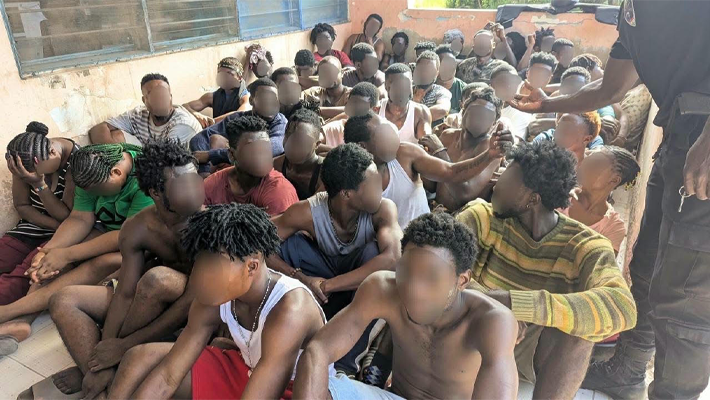
Police arrest 41 suspects over alleged drug activities in Ghana
The police said the suspects were arrested on Thursday during raids on targeted locations.

States
Health workers’ strike disrupts services at Katsina public hospitals
The Assembly of Health Professionals embarked on a one-week warning strike.

States
2027: COAS Shaibu charges troops on credible elections, professionalism
The army chief said much was expected of the troops in the discharge of their constitutional responsibilities.

States
Gov Sani commences N2 billion compensation for 865 property owners affected by road projects
Mr Sani said the payments demonstrated his administration’s commitment to infrastructure development while protecting citizens’ rights.

Education
56,000 candidates register for 2026 private WASSCE
The HNO advised candidates to study diligently.


