

Kenya lost $158 million over slow adoption of biotechnology: AATF

The African Agricultural Technology Foundation (AATF) says Kenya lost 20.4 billion Kenyan shillings (about $158 million) in five years due to delays in adopting biotechnology.
Daniel Willy, senior manager, policy, agribusiness, and commercialisation at AATF, said this on the sidelines of the ongoing World Congress of the International Federation of Agricultural Journalists (IFAJ) in Kenya.
He said biotechnology remains one of the key scientific tools for improving crop varieties and enhancing food production.
“You can use biotechnology, for example, to help crops protect themselves from pests. The application is used in Tella maize (Bt maize), which enables the crop to resist pests such as stem borers and fall armyworm.
“By so doing, farmers are able to reduce yield losses associated with pest attacks,” he said.
Mr Willy said AATF scientists had also applied biotechnology to fortify crops by adding nutrients, citing maize as an example.
He noted that vitamin A had been introduced into maize to address nutritional deficiencies.
“We have also seen biotechnology used to improve the shelf life of crops like tomatoes, among others.
“Therefore, biotechnology is one tool among many in agriculture that can help farmers improve yields, which directly contributes to food security,” he added.
The AATF official said such innovations were expanding Africa’s potential for food production while helping farmers mitigate the impacts of drought, pests, and diseases.
He explained that AATF had developed numerous hybrid crop varieties through African scientists since the 1970s, including maize, beans, and sorghum.
Mr Willy highlighted Nigeria’s success in commercialising the Pod Borer Cowpea, which resists the maruca pest, as a major biotechnology milestone.
“But maize is also on the continent; it has been commercialised in Nigeria and South Africa, and countries such as Ethiopia, Kenya, and Mozambique are now preparing to follow suit,” he said.
He, however, noted that the progress of biotechnology adoption in Africa had been slowed by misinformation and conspiracy theories about its health effects.
According to him, such misconceptions have hindered the commercialisation of biotechnology crops.
“That need not be the case because, by delaying, we are losing a lot as a continent,” he said.
(NAN)

We have recently deactivated our website's comment provider in favour of other channels of distribution and commentary. We encourage you to join the conversation on our stories via our Facebook, Twitter and other social media pages.

More from Peoples Gazette

States
Independence: NBA urges Nigerians to expect better future
The NBA said that ordinary Nigerians should be deriving benefit from the subsidy removal rather than hardship.

Agriculture
FG tasks ECOWAS on leveraging financing strategies for agroecology
The federal government has urged stakeholders in the agriculture and finance sectors in the West Africa region to leverage financing strategies to enhance agroecology practices

Politics
Katsina youths pledge to deliver over 2 million votes to Atiku
“Katsina State is Atiku’s political base because it is his second home.”

NationWide
2027: Police caution political supporters against destroying campaign posters
The police urged those involved in the act to desist, warning that offenders would be arrested and prosecuted.
Health
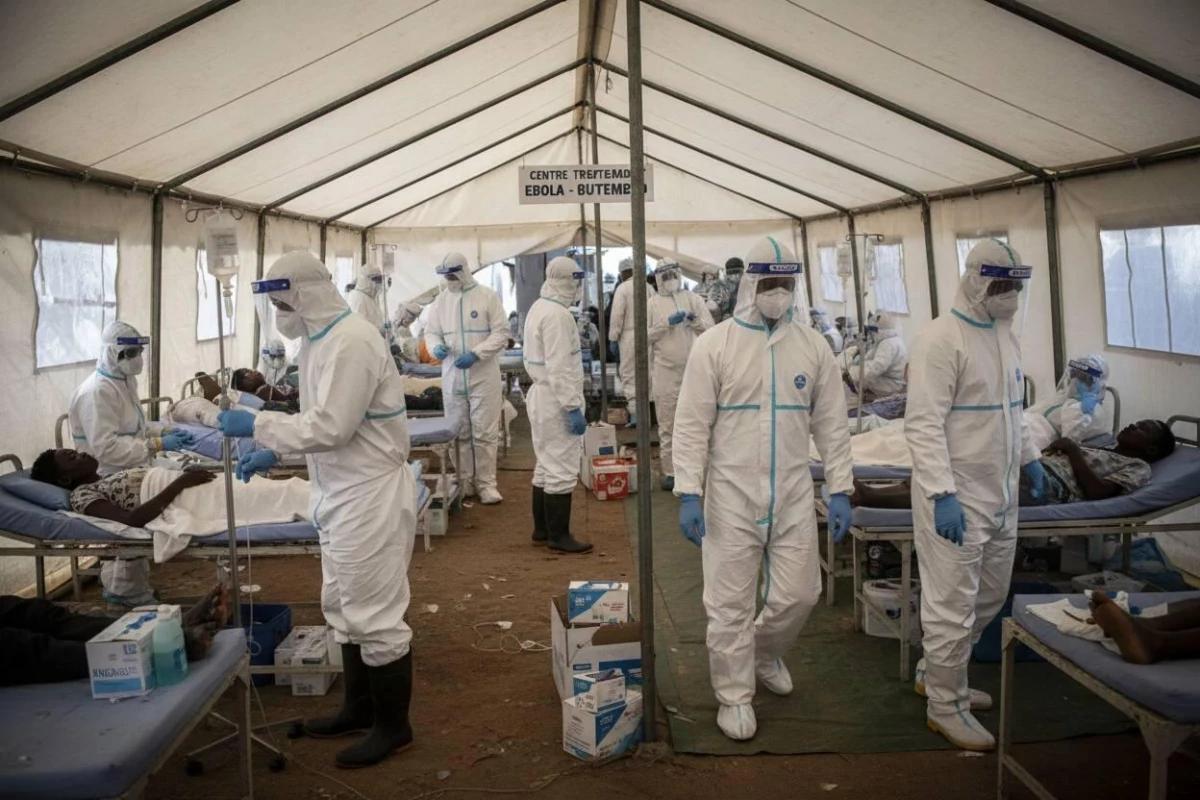
British man in DR Congo to be evacuated to UK after testing positive for Ebola
The UK government said this on Wednesday.

Heading 2
Nigeria’s Flamingos beat Brazil 3-1 to reach historic U-17 World Cup final
Japan will be playing in their second final.

Heading 4
JD Vance blames Israel, economy for Republicans’ midterm losses
Democrats now have 54 seats in the Senate, while Republicans’ seats dropped to 44.

Africa
Namibia president declares Dangote’s $2.5 billion energy investment landmark for Africa’s industrial future
She described the occasion as the most memorable day of her presidency.

NationWide
2027: Obi pledges to unite Nigeria, tackle insecurity, fight corruption
Mr Obi made the pledge during a town hall meeting in Calabar on Wednesday.


