

Lassa Fever: NCDC advocates hygiene, early treatment as cases surge

The Nigeria Centre for Disease Control and Prevention (NCDC) says the country is experiencing a surge in Lassa fever cases, with Bauchi, Edo, and Ondo States recording higher numbers since November 2024.
The director-general of the centre, Jide Idris, said this during an interview on Monday in Abuja.
He said the disease control agency had issued a comprehensive public advisory on Lassa fever, urging Nigerians to adopt preventive measures as cases continue to rise during the peak transmission season.
Mr Idris warned that the peak dry season, which lasts until April, could exacerbate the outbreak if preventive measures were not strictly followed.
The NCDC boss recommended frequent handwashing with soap and water, storing food items in rodent-proof containers and proper disposal of waste to deter rodents.
He stressed the need for increased public awareness and early intervention, which he described as keys to curbing an outbreak.
Mr Idris added that the centre intensified surveillance and response activities in affected states and advised Nigerians to report suspected cases to the nearest health facility and ensure proper hygiene practices.
He said late reporting of cases had been a major concern that hindered effective containment.
Meanwhile, Tunde Oladipo, a public health expert, described the Lassa fever outbreak as “a serious but preventable health crisis.”
Mr Oladipo said, “Strict hygiene practices, proper food storage and rodent control are crucial to reducing transmission. Individuals should avoid unprotected contact with sick persons or their fluids.”
Lassa fever, named after the town of Lassa in Borno, where it was first identified in 1969, is endemic in Nigeria, with outbreaks occurring almost yearly.
The viral hemorrhagic disease is primarily transmitted through contact with food or surfaces contaminated with excretions from infected rodents.
The disease can also spread through direct contact with the bodily fluids of infected persons, making healthcare workers and caregivers particularly vulnerable.
Symptoms range from mild fever and joint pain to severe bleeding from the nose, mouth and gastrointestinal tract.
The disease is fatal in about 20 per cent of cases, particularly when treatment is delayed.
(NAN)

We have recently deactivated our website's comment provider in favour of other channels of distribution and commentary. We encourage you to join the conversation on our stories via our Facebook, Twitter and other social media pages.

More from Peoples Gazette

States
Independence: NBA urges Nigerians to expect better future
The NBA said that ordinary Nigerians should be deriving benefit from the subsidy removal rather than hardship.

Agriculture
FG tasks ECOWAS on leveraging financing strategies for agroecology
The federal government has urged stakeholders in the agriculture and finance sectors in the West Africa region to leverage financing strategies to enhance agroecology practices

Politics
Katsina youths pledge to deliver over 2 million votes to Atiku
“Katsina State is Atiku’s political base because it is his second home.”
States
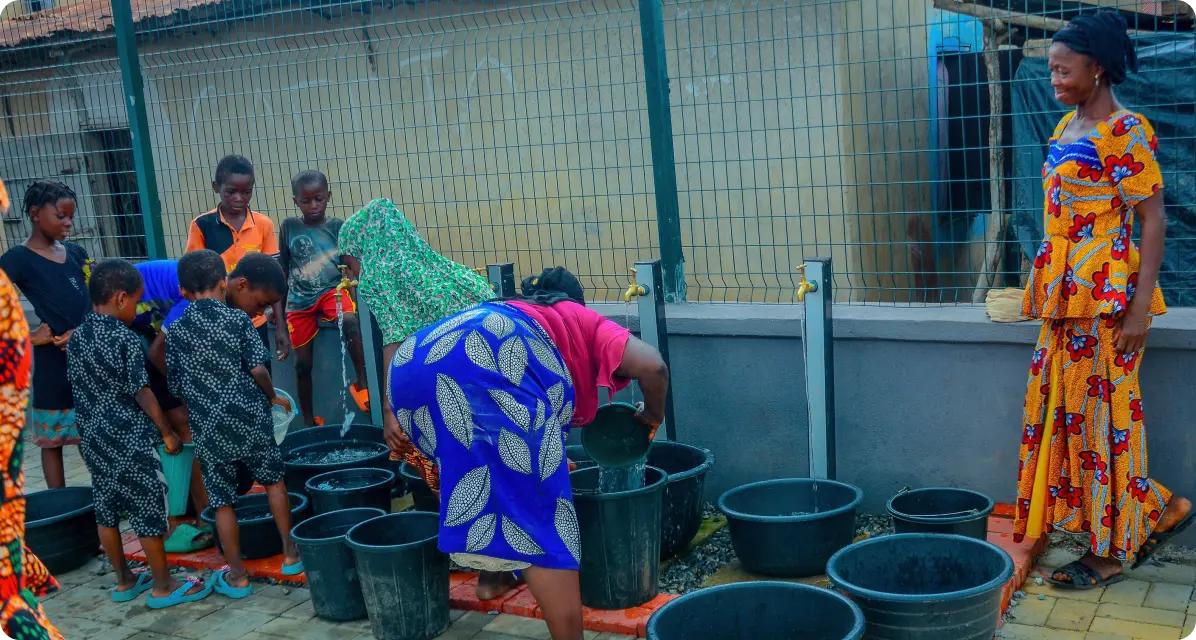
Lagos water network serves only 1.03% of 20 million residents: LWC
Mr Anifowoshe said the corporation had an installed water production capacity of about 210 million gallons per day (MGD).

Heading 5
Catholic priest dies after Jesus’ statue falls on him during service
Mr Molinari was being live-streamed when the incident occurred on Saturday.
States
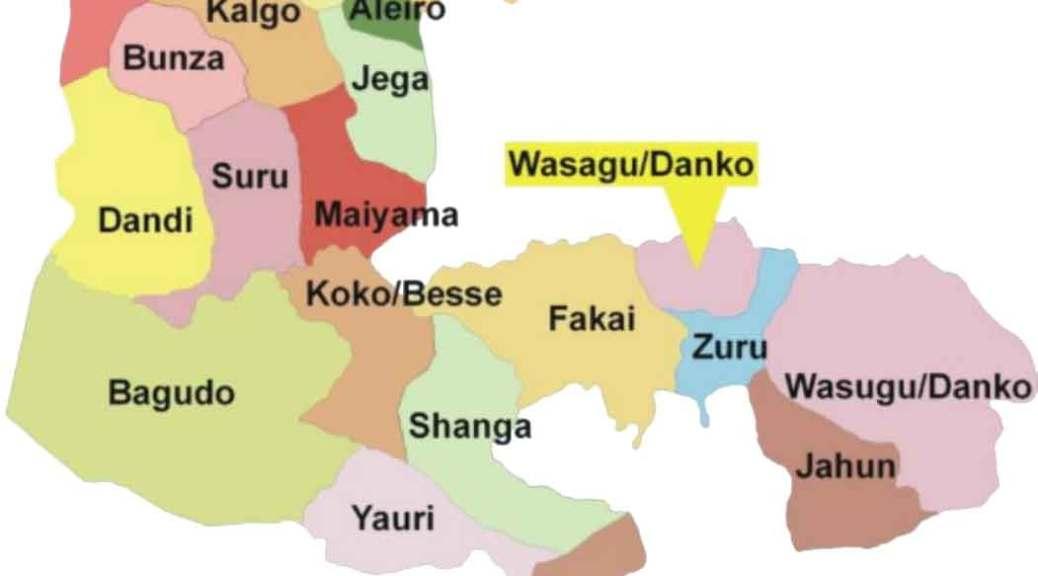
Kebbi governor’s aide empowers 400 residents in Zuru
Beneficiaries were given cash ranging from N10,000 to N20,000.

States
I’ve paid over N7 billion as compensation to property owners: Gov Sani
The governor commended the owners of the 865 affected households.
Heading 5
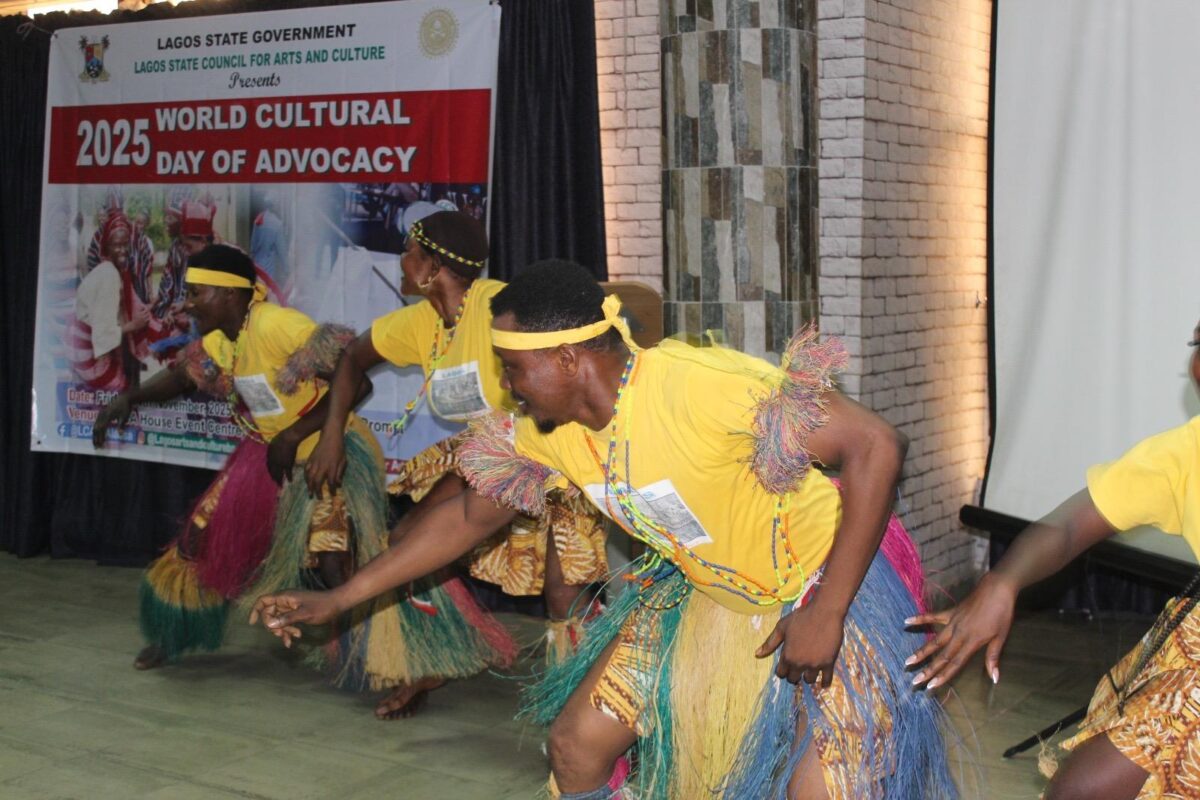
Lagos strengthens culture, youth engagement to boost creative economy
According to Mr Johnson, the government was encouraging young people to develop their creative skills.

States
Ogun FRSC commander dies after brief illness
He described Mr Ogunjobi’s death as a great loss to the corps.


