

Lassa Fever: Nigeria recorded 1,069 confirmed cases, 195 deaths in 2025, says NCDC
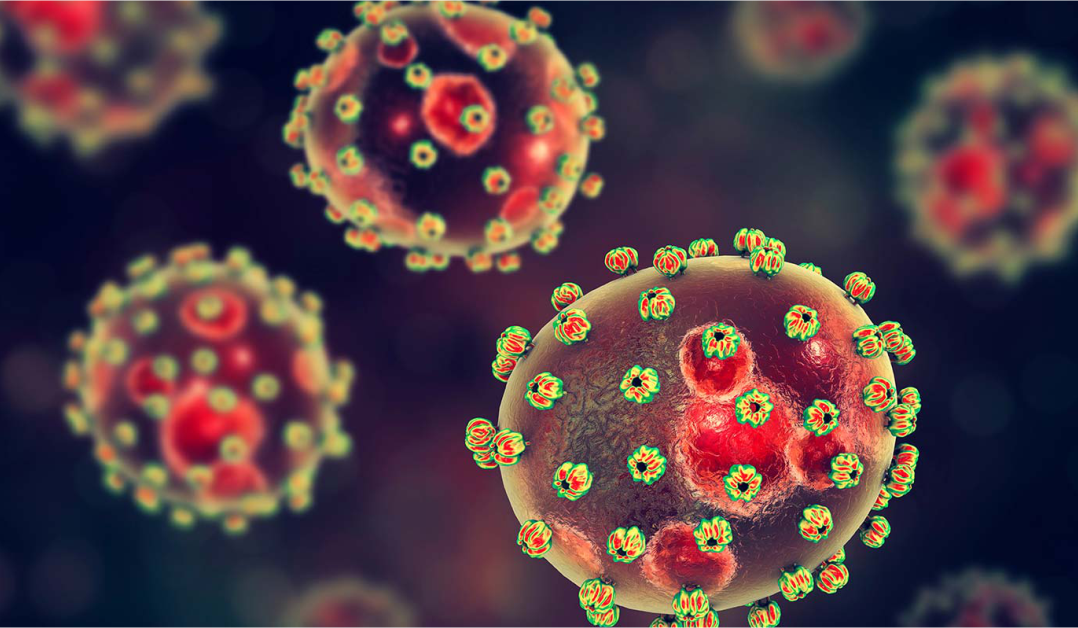
The Nigeria Centre for Disease Control and Prevention (NCDC) says Lassa fever claimed 195 lives across 21 states by Epidemiological Week 49 of 2025, representing a case fatality rate of 18.2 per cent.
The NCDC disclosed this in its latest Lassa Fever Situation Report for Epi Week 49, covering December 1 to 7, 2025, released on its official website on Sunday.
According to the report, 33 new confirmed cases and eight deaths were recorded during the reporting week, rising from the 24 reported in Epidemiological Week 48 across affected states nationwide.
The new confirmed cases were reported from Bauchi, Ondo, Edo, and Taraba States during the epidemiological reporting period as part of ongoing national surveillance efforts coordinated by health authorities nationwide daily.
Cumulatively, as of week 49 of 2025, Nigeria recorded 9,041 suspected cases, 1,069 confirmed cases, seven probable ones, and 195 deaths, the NCDC stated in its official situation report.
The agency noted that the CFR of 18.2 per cent in 2025 was higher than the 16.5 per cent recorded during the same period in 2024, when 190 deaths were reported nationwide.
The report showed that 89 per cent of confirmed Lassa fever cases in 2025 came from four states: Ondo (36 percent), Edo (24 per cent), Bauchi (12 per cent), and Taraba (12 per cent), combined.
Overall, 21 states and 103 local government areas (LGAs) recorded at least one confirmed Lassa fever case in 2025, compared with 28 states and 137 LGAs during the same period in 2024.
The NCDC noted that although suspected and confirmed cases declined compared to 2024, fatalities remained high, largely due to late presentation of cases and poor health-seeking behaviour nationwide among affected communities.
The agency identified young adults aged 21–30 as the most affected group, with cases ranging from one to 96 years, a median age of 30, and a male-to-female ratio of 1:0.8.
The report stated that no healthcare workers were infected during the reporting week, although 24 had been affected nationwide in 2025 so far, as officially recorded.
The NCDC said the National Lassa Fever Multi-sectoral Technical Working Group continued coordinating nationwide response efforts, supported by partners including WHO, UNICEF, US CDC, CEPI, and other key public health stakeholders.
Response activities during the week included deploying national rapid response teams to 10 states, strengthening infection prevention and control measures, training clinicians, conducting after-action reviews, and commencing the INTEGRATE trial.
Other interventions included community risk communication, distribution of ribavirin, personal protective equipment and IEC materials, environmental sanitation campaigns, and the nationwide launch of the NCDC infection prevention and control e-learning platform for workers.
However, the agency listed key challenges as late case presentation, high treatment costs, poor environmental sanitation, and low awareness in high-burden communities across affected states nationwide, currently hindering effective response efforts.
The NCDC urged states to intensify year-round community engagement in Lassa fever prevention, while advising healthcare workers to maintain heightened suspicion and ensure timely referral and treatment of suspected cases.
It also called on partners to strengthen state capacity for early detection and rapid response systems to better curb transmission and reduce Lassa fever mortality nationwide, sustainably, going forward.
Lassa fever, first discovered in Nigeria in the late 1960s, remains endemic across West Africa and continues causing recurring outbreaks with high morbidity and mortality rates regionally today.
(NAN)

We have recently deactivated our website's comment provider in favour of other channels of distribution and commentary. We encourage you to join the conversation on our stories via our Facebook, Twitter and other social media pages.

More from Peoples Gazette

States
Independence: NBA urges Nigerians to expect better future
The NBA said that ordinary Nigerians should be deriving benefit from the subsidy removal rather than hardship.

Agriculture
FG tasks ECOWAS on leveraging financing strategies for agroecology
The federal government has urged stakeholders in the agriculture and finance sectors in the West Africa region to leverage financing strategies to enhance agroecology practices

Politics
Katsina youths pledge to deliver over 2 million votes to Atiku
“Katsina State is Atiku’s political base because it is his second home.”

NationWide
Ex-FRSC corps marshal Dauda Biu dies at 62
Mr Biu served as corps marshal of the FRSC from July 2022 to 2024.

Hot news Home top
Children among 139 killed after Yemen-bound boat carrying migrants capsizes
The agency said that 82 people survived the incident.

States
APC’s Mbah, 15 other political parties’ candidates make INEC list for Enugu governorship poll
The INEC displayed the final list at its Enugu headquarters on Sunday.

Africa
£180,000 worth Nelson Mandela statue unveiled in Glasgow
The South Africa’s high commissioner to the UK, Kingsley Mamabolo, described the monument as a bridge between Glasgow solidarity and the struggle for freedom.
Hot news Home top
Presidency says Atiku is misguided presidential candidate dancing on Nigerians’ sufferings for political gains
The presidency stated, “First, it is sheer absurdity that a man who graduated from a school of hygiene dares to call a first-class accounting graduate a dull student.”

Heading 5
Police disrupt Nigerian wedding in Netherlands over alleged noise pollution
A voice in the background stated, “It is because we are blacks; you’re treating us like animals.”


