

Lifting Burkina Faso, Mali, Niger sanctions will save ECOWAS from disintegrating: NIIA expert
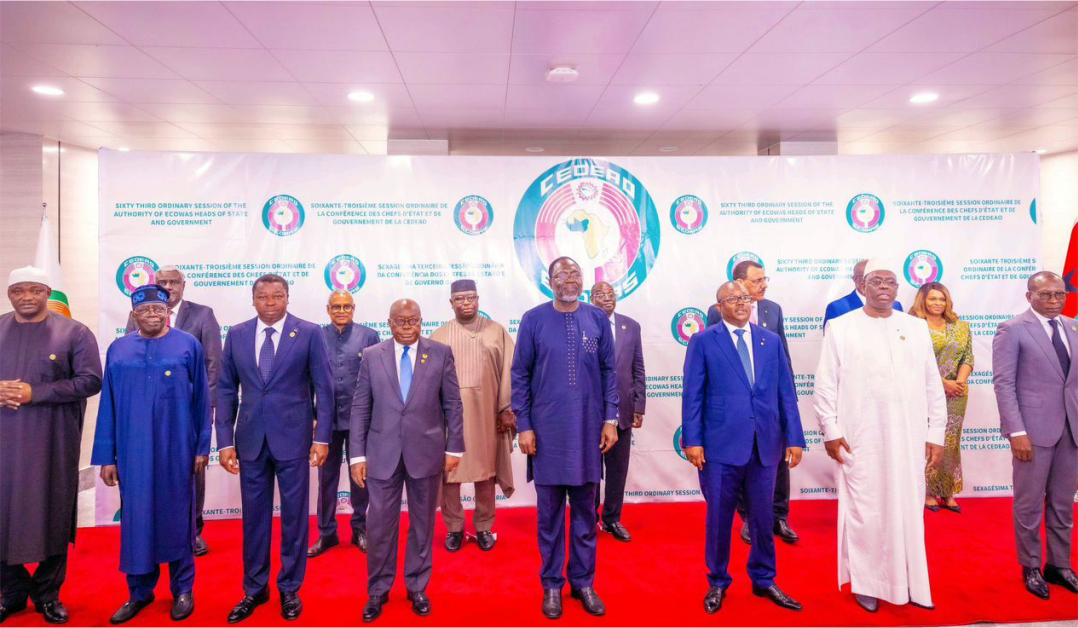
An international relations expert, Femi Otubanjo, says the decision of ECOWAS to lift sanctions imposed on Mali, Niger and Burkina Faso will save the West African sub-regional bloc from disintegration.
Mr Otubanjo, a research professor at the Nigerian Institute of International Affairs, made the assertion in an interview in Lagos.
Gambia’s Omar Touray, president of the ECOWAS Commission, announced the lifting of the sanctions at the end of the extraordinary session of the heads of state and government of ECOWAS member countries on Saturday in Abuja.
Mr Touray said the decision was based on humanitarian considerations, the sanctions’ socio-economic impacts and the sub-region’s security.
“The authority has resolved to lift with immediate effect sanctions imposed on Niger and has lifted the closure of land and air borders between it and ECOWAS member- countries.
“No-fly-zone of all commercial flights to and from Niger is to be lifted. Suspension of all commercial and financial transactions between ECOWAS member-states and Niger are to be lifted,” Mr Touray announced, among other decisions.
Mr Touray also announced the lifting of sanctions regarding recruiting Malian citizens in statutory and professional positions within ECOWAS.
The sanctions were imposed over the unconstitutional takeover of government in the countries.
Niger, Mali and Burkina Faso, in January, announced their withdrawal from ECOWAS.
According to Mr Otubanjo, Mali, Niger and Burkina Faso, leaving ECOWAS will be against the spirit of the African brotherhood that led to the formation of the organisation.
“Sanctions generally will hurt the ordinary people, not the ones in government. When food, fuel and other essentials are not coming in, those in government are at an advantaged position and look after themselves, even in war situations,” he said.
Mr Otubanjo said that brotherhood remained important in West Africa.
He cited Nigeria’s long history of relations with Niger, emphasising the shared borders and strategic relationship, including the trans-Saharan gas pipeline running through Niger, Algeria to Europe, serving liquified gas, as well as the security of the Niger River used to generate electricity in Nigeria.
“Looking at the strategic connections among countries, there was that pressure to relieve the people from the burden of sanctions and try to work out some accommodations with the regimes.
“They didn’t envisage this type of hostile exit, so it has created a form of problem for the management of relations in ECOWAS, and one way of walking back to make sure things don’t degenerate was to lift the sanctions.
“The lifting of the sanctions is to prevent them from going. They have given their notice, but they have not exited yet. The idea of giving one year’s notice is to find a way of resolving any dispute that gave the impetus for that country to withdraw.
“ECOWAS has given itself the opportunity to negotiate and persuade,” Mr Otubanjo said.
Mr Otubanjo said although ECOWAS was committed to only constitutional governance in the region and did not want an unconstitutional change of government, it would be better off if members did not quit.
He said this made ECOWAS stretch a hand of friendship so disputes could be resolved diplomatically.
On democracy in Africa, Mr Otubanjo said it was a process to be developed.
According to him, there are levels of democratisation, and many African countries are still at the rudimentary level, trying to establish democracy.
“The fact that they have problems with establishing does not mean democracy has failed. It means the democratisation process has not achieved its objective and must continue to be pushed forward.
“Democracy is an organic thing that grows and gets better, and we must not be cynical that democracy is failing. It has its challenges but they can be overcome,” Mr Otubanjo said.
(NAN)

We have recently deactivated our website's comment provider in favour of other channels of distribution and commentary. We encourage you to join the conversation on our stories via our Facebook, Twitter and other social media pages.

More from Peoples Gazette

States
Independence: NBA urges Nigerians to expect better future
The NBA said that ordinary Nigerians should be deriving benefit from the subsidy removal rather than hardship.

Agriculture
FG tasks ECOWAS on leveraging financing strategies for agroecology
The federal government has urged stakeholders in the agriculture and finance sectors in the West Africa region to leverage financing strategies to enhance agroecology practices

Politics
Katsina youths pledge to deliver over 2 million votes to Atiku
“Katsina State is Atiku’s political base because it is his second home.”
States
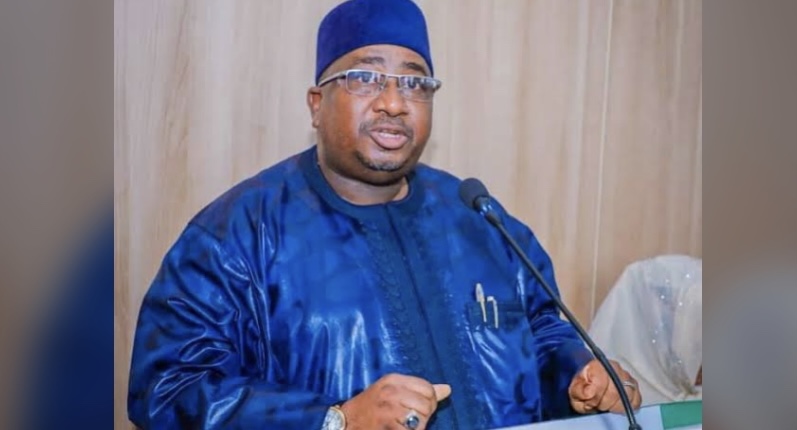
Kebbi Attacks: Gov. Idris vows stronger security, donates N200 million to victims
Mr Idris said the killing of citizens would not be tolerated by either the state or the federal government.
Heading 4
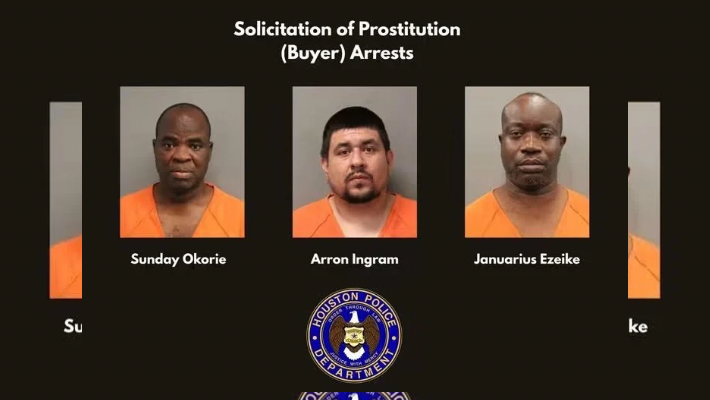
Nigerians Sunday Okerie, Januarous Ezeikwe arrested for solicitation of prostitution in U.S.
Messrs Okerie and Ezeikwe were arrested alongside one other non-Nigerian on September 28 over involvement in a prostitution felony.
Heading 4
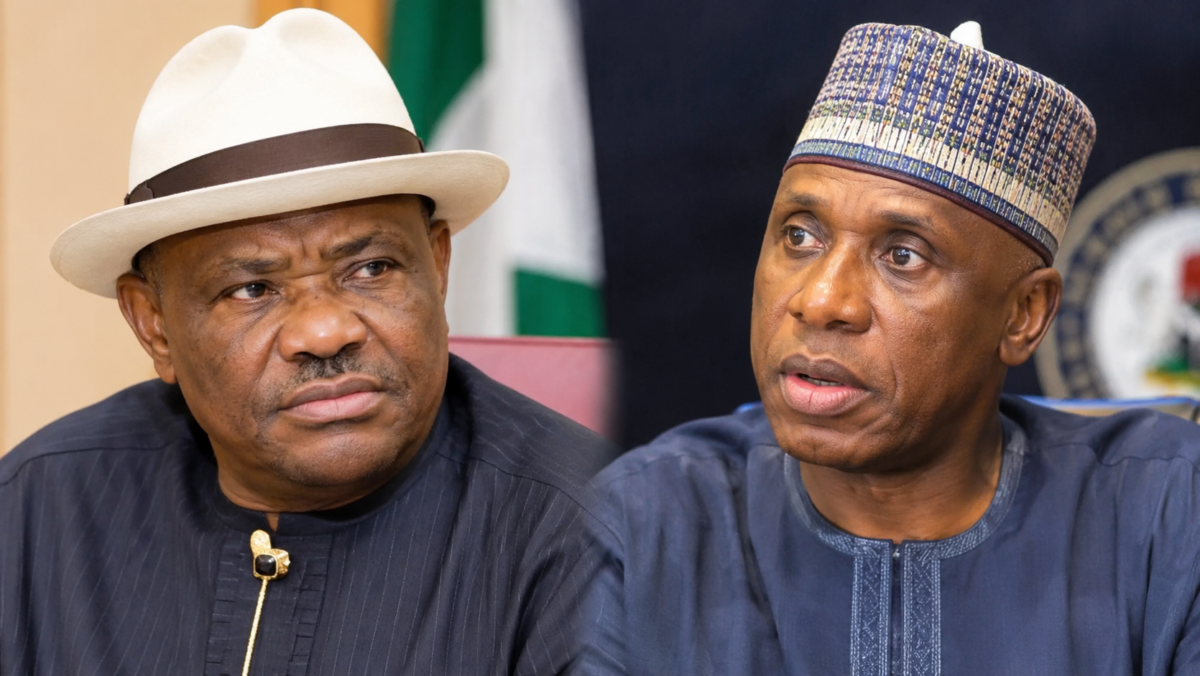
Wike challenges Amaechi to account for $39 million hospital, N68 billion monorail, other spending
The minister said he would vote for Mr Amaechi if the former governor could account for the funds spent on the project.
Heading 3
2027: Labour Party youth leaders begin talks on backing APC, Tinubu
Several Labour Party youth decried the “inadequate recognition, total negligence and lack of engagement.”

States
Plateau govt suspends VIO checkpoints over rising disagreements with motorists
Mr Jatau noted that recurring assaults on officers violate constitutional rights and threaten the hard-earned peace in the state.
Africa
Lai Mohammed urges African govts to turn MICE into $1.3 trillion deal-making engine
Mr Mohammed said the global MICE industry was worth about $1.3 trillion, while Africa accounted for only four per cent.


