

Muslim women can delay menstrual cycle to fast during Ramadan: Cleric
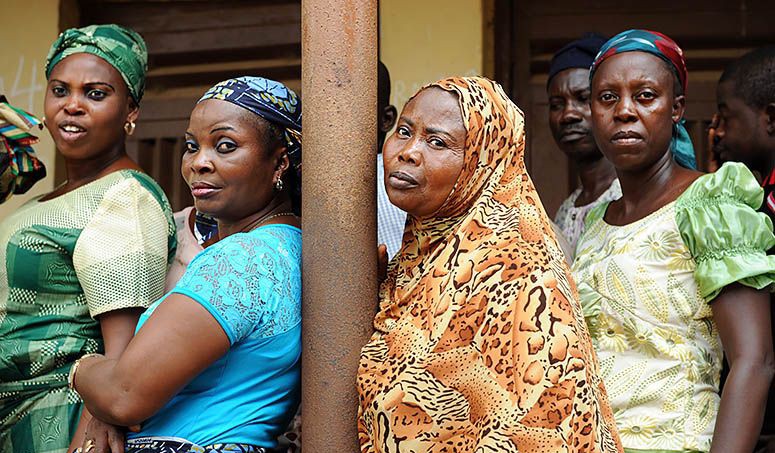
Salaudeen Abdulkadir, the chief missioner of the Igbomina-Ekiti Muslim Forum, says Muslim women who do not want to miss their fasting can medically delay the menstrual cycle.
Mr Abdulkadir made the statement in Ilorin while delivering the annual Ramadan lecture organised by the Igbomina-Ekiti Muslim Forum national headquarters.
The chief missioner emphasised that as long as the process did not endanger the women’s lives, they could alter their cycle to fast the complete month of Ramadan.
He explained that Islam was applicable in every era or situation, adding that experts on Islamic Jurisprudence had researched and reached the conclusion that a woman could delay her cycle if she so desired.
The cleric stated that Allah had mandated Ramadan fasting on believing Muslims, adding that this was for health and spiritual rejuvenation.
Mr Abdulkadir, also the chief imam of Olanrewaju Mosque, reminded that Allah did not overburden man beyond his capacity.
The cleric warned Muslims against following cultures against the practices of Islam, adding that screaming, shouting or calling Allah’s name in vain is prohibited.
“You do not shout the name of Allah or call his name in vain. Allah has taught us ways of calling on him and getting nearer to him.
“When you obey Allah, He will hold you in high regards. You must folow his injunctions to become nearer to Allah,” he advised.
Similarly, Mr Abdulkadir emphasised the importance of reading the Holy Quran, adding that “Ramadan is the month of the Quran.”
He pointed out that Ramadan was not prescribed for the very sick, and that if life was threatened due to fasting, then they were excused from the obligation.
The cleric added that though other cultures came with their own form of fasting, Ramadan fasting was unique as it was prescribed by Allah, who instructed Muslims on its process.
Also, Nasuredeen Ibrahim, the national president of the association, urged Muslims on the remembrance of Allah and being grateful to him at all times and circumstances.
Commenting on the economic situation in the country, he advised that this was the best time to get closer to Allah for all challenges.
“We should do the little we can. Allah has not overburdened us and He will accept. But you cannot reduce the mandated Ibadah,” he said.
(NAN)

We have recently deactivated our website's comment provider in favour of other channels of distribution and commentary. We encourage you to join the conversation on our stories via our Facebook, Twitter and other social media pages.

More from Peoples Gazette

Agriculture
FG tasks ECOWAS on leveraging financing strategies for agroecology
The federal government has urged stakeholders in the agriculture and finance sectors in the West Africa region to leverage financing strategies to enhance agroecology practices

Politics
Katsina youths pledge to deliver over 2 million votes to Atiku
“Katsina State is Atiku’s political base because it is his second home.”

States
Ibadan man pleads guilty of stealing spaghetti, milk, soap, other items worth N750,000
Adeyemo was charged with conspiracy, shop breaking and stealing, to which he pleaded guilty.

Economy
Stock market rebounds, gains N720 billion
The Nigerian stock market rebounded on Tuesday, with investors gaining N720 billion as renewed buying interest lifted key performance indicators.
Africa
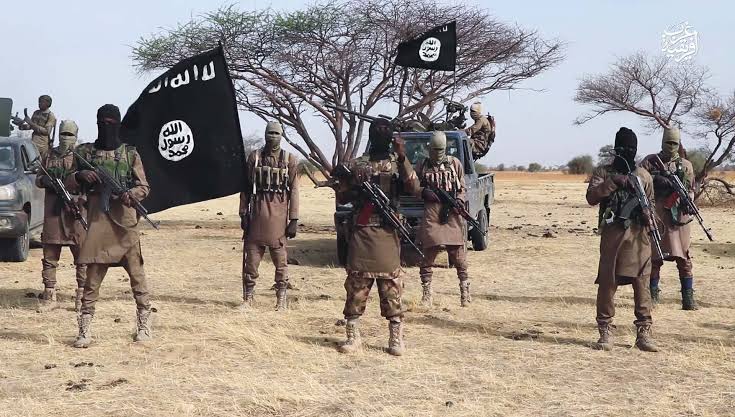
UN special agent briefs Security Council on insecurity in Nigeria
On Tuesday, Leonardo Simão briefed the Security Council on political and security developments in Nigeria, West Africa, and the Sahel.

Health
45% of dementia risk preventable, says WHO
WHO released updated guidelines to reduce the risk of cognitive decline and dementia through evidence-based interventions across the life course.

NationWide
Nigeria sets December 2028 for final analogue TV switch-off
The Nigerian government has fixed December 2028 as the deadline for the final transition from analogue to digital television broadcasting.
Economy
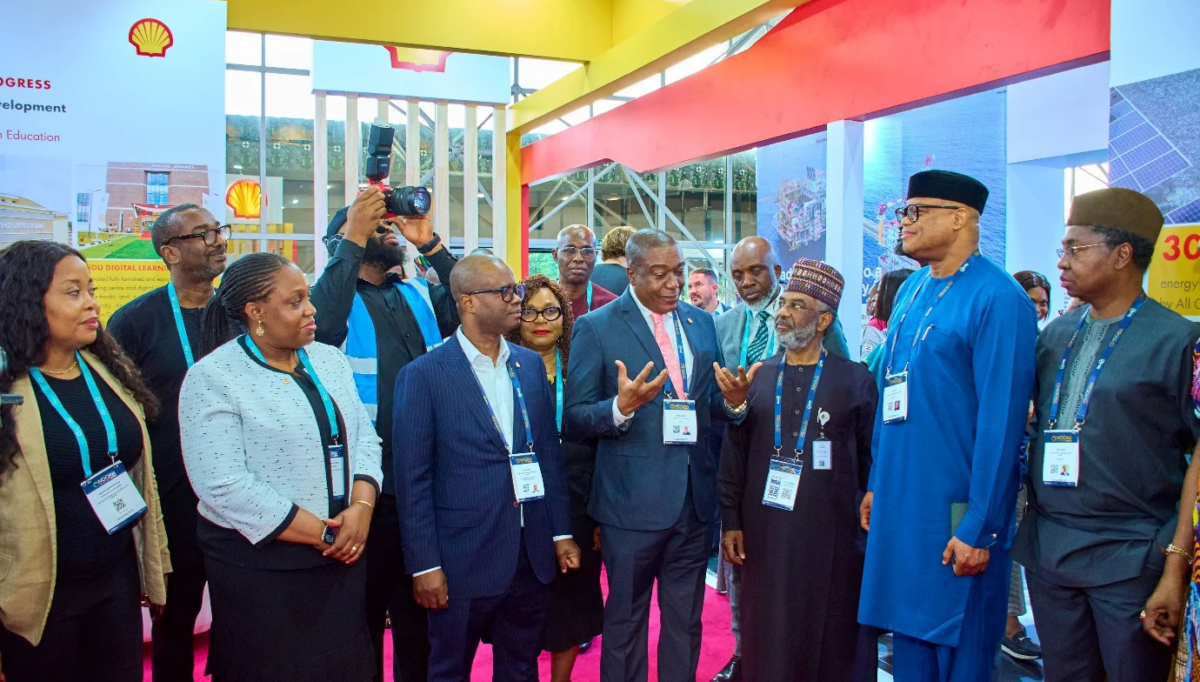
Local Content: Shell awards $518 million contracts to indigenous firms
Shell awarded contracts worth $518 million to indigenous companies in 2025, reinforcing its commitment to growing Nigerian content in the oil and gas industry.


