

N1.5 billion disbursed to boost immunisation in Northern Nigeria: New Incentives–All Babies Are Equal
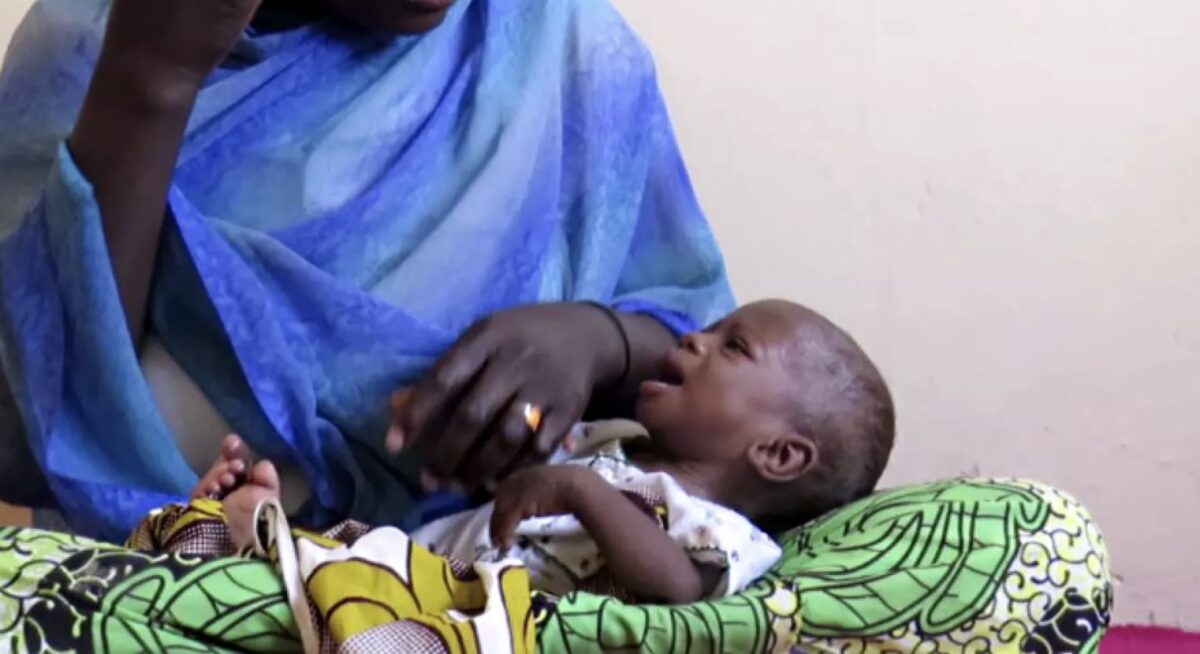
A non-governmental organisation, New Incentives–All Babies Are Equal, says it enrolled 172,265 infants and disbursed N1.594 billion to caregivers in January to boost routine immunisation uptake across Northern Nigeria.
The organisation on Monday disclosed this in its January 2026 Programme Report covering 11 states, highlighting a significant expansion in reach while also drawing attention to persistent systemic challenges affecting programme implementation across the region.
The report showed that the programme, implemented across 11 northern states, conducted 43,915 disbursement sessions, supported by 2,287 field officers responsible for payments, coordination, and engagement with caregivers and communities.
It added that 9,547 outreach campaigns and 873 community awareness activities were carried out during the period to stimulate demand, improve awareness, and encourage wider acceptance of childhood vaccination services.
According to the report, Kano recorded the highest enrolment, with 42,910 infants, followed by Katsina and Bauchi, while Zamfara and Sokoto posted the lowest figures among participating states during the period.
The report noted that the programme also generated fiscal contributions, with N28.57 million remitted as Pay-As-You-Earn taxes to participating state governments, reflecting its broader economic impact beyond public health interventions.
In terms of immunisation performance, Katsina recorded the highest Penta 3 coverage at 87.6 per cent, followed by Jigawa, Kano, and Gombe, indicating strong uptake of routine vaccines in those states.
It stated that five states met or exceeded the 80 per cent benchmark considered necessary to achieve herd immunity, namely Katsina, Jigawa, Kano, Gombe, and Kaduna, during the reporting period.
However, the report identified gaps, noting that Sokoto recorded the lowest Penta-3 coverage, while Niger and Kebbi also lagged, leaving many infants incompletely immunised across several underserved communities.
A further breakdown revealed disparities within states, with Kebbi’s Bagudu LGA posting low coverage, while in Niger, Magama and Borgu LGAs also recorded weaker immunisation performance than others.
Similarly, in Sokoto State, Tureta, Wurno, and Bodinga LGAs recorded low Penta-3 coverage rates, underscoring persistent inequities in immunisation access and uptake at the subnational level across the state.
The report identified vaccine stockouts as a major constraint, noting that the frequent unavailability of vaccines at health facilities continues to undermine immunisation outcomes and disrupt routine service delivery.
It showed that Niger and Yobe recorded high stockout rates per session, indicating that vaccine shortages often affected multiple antigens within a single session across health facilities in those states.
Katsina, despite its strong immunisation performance, also recorded notable stockouts per 100 sessions, suggesting that coverage gains were achieved despite persistent supply chain challenges affecting vaccine availability.
In contrast, Sokoto recorded fewer stockouts per 100 sessions but still had the lowest immunisation rates, suggesting demand-side barriers such as poor access, low awareness, or vaccine hesitancy.
The report highlighted extreme stockout hotspots, including Toro in Bauchi, Funtua in Katsina, and Katcha in Niger, where frequent shortages reflected deeper, chronic supply chain disruptions across facilities.
However, some LGAs recorded outstanding performance, with Gulani in Yobe achieving near-universal Penta 3 coverage and full measles vaccine uptake, demonstrating that high coverage was achievable despite operational challenges.
Other high-performing areas included Kaltungo in Gombe, Warawa and Makoda in Kano, and Mani in Katsina, all recording more than 90 per cent Penta 3 coverage during the period.
The report underscored that while financial incentives could improve uptake, strengthening vaccine supply systems and addressing localised barriers remained essential to achieving equitable and sustainable immunisation coverage across the region.
(NAN)

We have recently deactivated our website's comment provider in favour of other channels of distribution and commentary. We encourage you to join the conversation on our stories via our Facebook, Twitter and other social media pages.

More from Peoples Gazette

States
Independence: NBA urges Nigerians to expect better future
The NBA said that ordinary Nigerians should be deriving benefit from the subsidy removal rather than hardship.

Agriculture
FG tasks ECOWAS on leveraging financing strategies for agroecology
The federal government has urged stakeholders in the agriculture and finance sectors in the West Africa region to leverage financing strategies to enhance agroecology practices

Politics
Katsina youths pledge to deliver over 2 million votes to Atiku
“Katsina State is Atiku’s political base because it is his second home.”

States
Police warn youths against blocking Kebbi-Sokoto highway
Mr Usman said the latest blockade disrupted vehicular movement for about three hours.

Africa
U.S. warns citizens travelling to South Africa over crime, terrorism, unrest
The acting national police commissioner said at least 10 vehicles were burnt in Johannesburg and 14 in Durban.

Economy
Nigeria’s $1 trillion economy depends on homegrown innovation, market access: NBTI DG
The DG said sustainable national prosperity cannot be achieved through government expenditure or natural resources alone.

NationWide
NBET begins N729 billion legacy debt payments to GenCos
Mr Odeyemi described the development as a significant milestone in implementing the debt reduction programme.

Africa
Anti-foreigner protests force South Africa to withdraw asylum seekers applications
The protests erupted over a Constitutional Court ruling easing access to asylum.

Heading 2
2028 Olympics: Super Falcons defeat Comoros 2-0 in first leg
The Nigerian team finally opened the scoring in the 48th minute with a tap-in by Michelle Alozie.


