

Namibia faces agricultural challenges

Namibia’s Ministry of Agriculture, Fisheries, and Land Reform has reported a mixed outlook for the upcoming agricultural season, Acting Executive Director Teofilus Nghitila said.
Mr Nghitila cited seed shortages and locust infestations in some regions.
The southern African country experienced an early onset of rainfall, with some areas receiving showers as early as October and November 2025, Mr Nghitila said, referring to the findings of the Agricultural Inputs, Livestock and Household Food Security Assessment report released Monday.
Namibia is forecasted to receive normal to above-normal rainfall for the remainder of the season.
Mr Nghitila stated that the ministry faces challenges in providing sufficient seed, with only 280.5 metric tonnes allocated out of the 541 metric tonnes requested by crop-producing regions.
He said, “Grazing conditions are fair, but the available grass is dry and lacks nutrients, prompting farmers to supplement their livestock.”
According to the report, livestock body conditions are fair to good, and water availability is not a major concern.
The report noted that the Zambezi region was battling locust infestations, which pose a threat to crop production and grazing areas.
“The infestation has destroyed grazing areas and tree leaves, posing a serious threat to crop production as the cropping season approaches,” the report explained.
According to the report, the ministry deployed control teams and vehicles to conduct surveillance and spraying operations.
The assessment was conducted in the seven major northern communal crop-producing regions from November 3 to 21, 2025.
The main purpose of the assessment was to assess the overall agricultural input situation at the household and regional levels and to find out to what extent farmers are prepared for the 2025/2026 cropping season.
Meanwhile, according to the Integrated Food Security Phase Classification, approximately 612,000 people in Namibia, or about one-fifth of the population, are projected to face high levels of acute food insecurity from October 2025 to March 2026.
“The regions expected to experience the highest levels of food insecurity include Kunene, as well as Kavango West, Zambezi, and Omaheke,” the report said.
(Xinhua/NAN)

We have recently deactivated our website's comment provider in favour of other channels of distribution and commentary. We encourage you to join the conversation on our stories via our Facebook, Twitter and other social media pages.

More from Peoples Gazette

Agriculture
FG tasks ECOWAS on leveraging financing strategies for agroecology
The federal government has urged stakeholders in the agriculture and finance sectors in the West Africa region to leverage financing strategies to enhance agroecology practices

Politics
Katsina youths pledge to deliver over 2 million votes to Atiku
“Katsina State is Atiku’s political base because it is his second home.”

States
Gov. Idris mourns Gwandu monarch Rasheed
The governor described the late monarch as a humble, peaceful and God-fearing traditional leader.

Heading 1
UN to support Nigeria, others to turn mineral wealth into prosperity
Nigeria, Guinea, Indonesia, Madagascar, Zambia and Zimbabwe will be the first countries to receive support.

Africa
UAE welcomes U.S. call for immediate humanitarian truce in Sudan
Mr Nahyan commended the leadership of Mr Trump in preventing Sudan from descending into further extremism.

Heading 4
2027: Adequate funding key to credible elections, says INEC
Mr Amupitan said sustained funding was necessary to provide security and logistics.

Heading 3
FG to review abandoned housing projects nationwide: Minister
Mr Darma expressed concern over the continued abandonment of government housing projects.
States
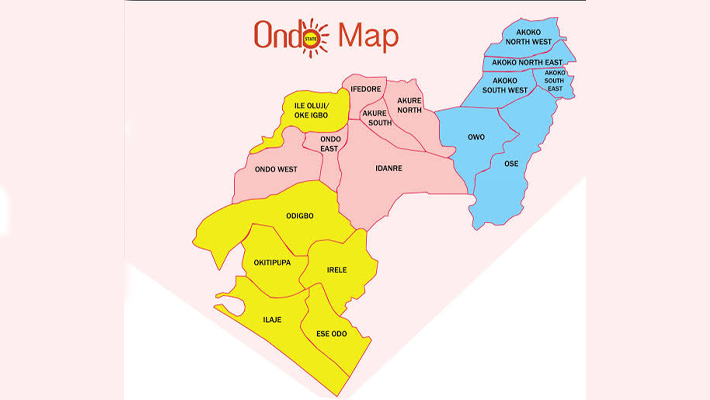
Ondo SEMA, Red Cross partner to strengthen disaster management
Mr Adelami commended the humanitarian organisation for its consistent interventions during emergencies.


