

NCDC reports drop in Lassa fever cases, increase in fatality rate
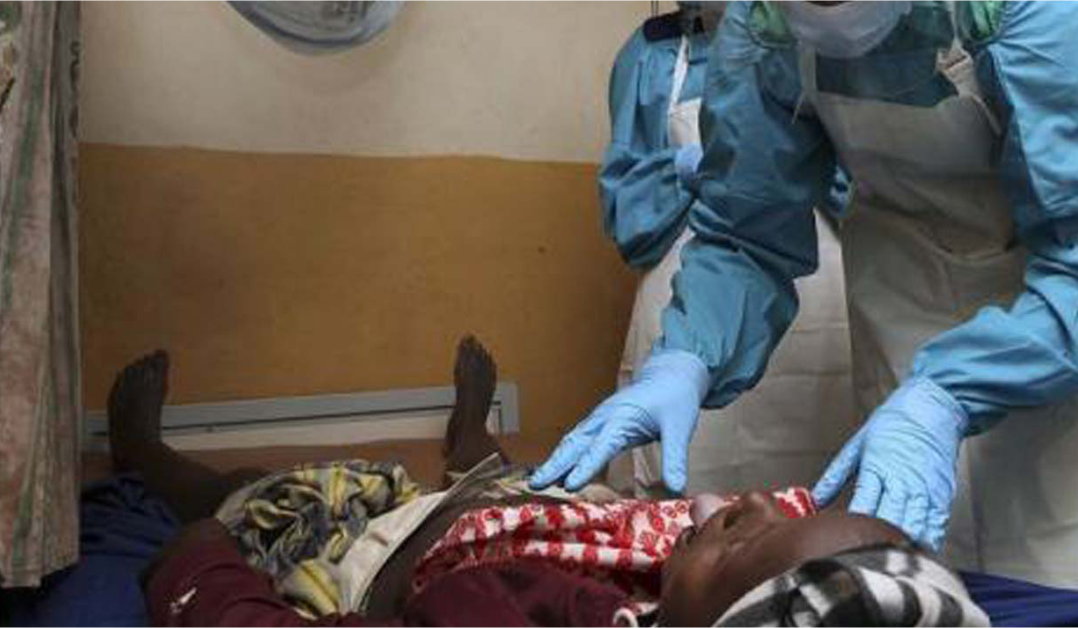
The Nigeria Centre for Disease Control and Prevention (NCDC) has reported a decline in the new Lassa fever cases across the country, but warned that the fatality rate remains alarmingly high.
The NCDC, via its official website, said the remark in its latest Situation Report for epidemiological week 33 (August 11–17, 2025), and confirmed five new cases, down from 12, the previous week.
The agency said that the new infections were recorded in Bauchi, Ondo, and Edo States.
“So far in 2025, a total of 854 confirmed cases and 159 deaths have been recorded across 21 states and 106 local government areas.
“This represents a case fatality rate (CFR) of 18.6 per cent, higher than the 17.2 per cent reported in the same period last year,” it said.
The NCDC noted that 90 per cent of all cases came from just five states; Ondo, 33 per cent; Bauchi, 23 per cent; Edo, 17 per cent; Taraba, 14 per cent; and Ebonyi, three per cent, while the remaining 10 per cent were spread across 16 other states.
The Nigerian public health agency said the most affected age group remained the young adults between 21 and 30 years, with slightly more males than females affected.
The NCDC highlighted that while suspected and confirmed cases had dropped compared to 2024, challenges persisted.
It said that the challenges included late presentation of cases, poor health-seeking behaviour due to the cost of treatment, and poor environmental sanitation in high-burden communities.
The agency said that with partners including WHO, U.S. CDC, and local institutions, it had intensified response activities, ranging from clinicians sensitisation, community awareness campaigns, and distribution of treatment commodities to training of health workers.
It, further, said it had also deployed 10 rapid response teams to support states’ integrated Lassa fever risk communication into other viral haemorrhagic fever campaigns, and launched an e-learning platform on infection prevention and control.
NCDC urged states to sustain year-round community engagement on Lassa fever prevention, while healthcare workers were encouraged to maintain a high index of suspicion and ensure early referral and treatment of suspected cases.
Lassa fever is a viral haemorrhagic fever, common in West Africa, and caused by the Lassa virus, carried by Mastomys rats.
It spreads through contact with contaminated food, surfaces, or body fluids of infected persons.
Each year, an estimated 100,000 to 300,000 people contract the disease in West Africa. Most cases are mild, with symptoms such as fever, headache, fatigue, cough, or sore throat.
However, about 20 per cent of cases become severe, leading to bleeding, seizures, confusion, or organ complications.
Pregnant women face the highest risks, with over 75 per cent of infections resulting in pregnancy loss.
Survivors may also experience permanent hearing loss, even after mild illness.
Complications of severe Lassa fever include kidney failure, heart and liver inflammation, fluid build-up in the lungs, and life-threatening clotting disorders.
Without adequate infection control and protective equipment, the disease can also spread in healthcare facilities.
Lassa fever remains confined to West Africa, with no reported spread to the U.S. or other regions.
Countries most affected include Nigeria, Benin, Guinea, Liberia, Mali, and Sierra Leone.
(NAN)

We have recently deactivated our website's comment provider in favour of other channels of distribution and commentary. We encourage you to join the conversation on our stories via our Facebook, Twitter and other social media pages.

More from Peoples Gazette

States
Independence: NBA urges Nigerians to expect better future
The NBA said that ordinary Nigerians should be deriving benefit from the subsidy removal rather than hardship.

Agriculture
FG tasks ECOWAS on leveraging financing strategies for agroecology
The federal government has urged stakeholders in the agriculture and finance sectors in the West Africa region to leverage financing strategies to enhance agroecology practices

Politics
Katsina youths pledge to deliver over 2 million votes to Atiku
“Katsina State is Atiku’s political base because it is his second home.”

Rights
Nigeria condemns attacks on fellow Africans, demands action against xenophobia
Nigeria has condemned rising xenophobic attacks against Africans, warning that discrimination threatens continental solidarity, integration and peaceful coexistence.

Economy
Sokoto govt dismisses poverty ranking, lists empowerment strategies
Bashir Achida, the budget and economic planning commissioner in Sokoto, has dismissed claims that poverty has worsened under the present administration.

Economy
Sokoto ranked third poorest state, ADC candidate slams govt over misplaced priorities
ADC has criticised Sokoto government over rising poverty and poor accountability that allegedly hindered development.

Economy
Fuel Price Hike: Tinubu govt promises relief, blames global pressures
Information minister Mohammed Idris has defended rising fuel prices, describing escalating energy costs as a global challenge.

Sport
Super Falcons spank Comoros 5-0 in 2028 Olympics qualifier
Uchenna Kanu and Toni Payne each scored a brace, while Christy Ucheibe made it five for the 10-time African champions at the Remo Stars home ground in Ikenne, Ogun.
Economy
Nigeria shown how to turn global economic disruptions into prosperity
Economic and financial experts at the University of Ibadan have highlighted how Nigeria can turn global economic disruptions into shared prosperity.


