

NEC backs 90-day plan to ease hardship, lower food and transport costs
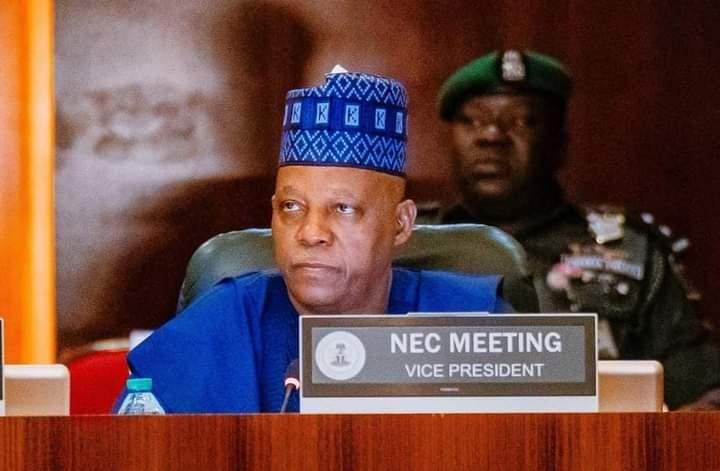
The National Economic Council (NEC) has endorsed a 90-day economic action plan to ease the cost of living for Nigerians, targeting food affordability, household support and the completion of projects with direct public benefits.
The decision was taken on Thursday, at the council’s meeting, held virtually and chaired by Vice-President Kashim Shettima.
The plan, presented by the Minister of Finance and Coordinating Minister of the Economy, Taiwo Oyedele, seeks to translate the government’s economic reforms into improvements in living conditions through coordinated federal and state action.
According to a statement by the vice-president’s spokesperson, Stanley Nkwocha, it covers five priorities: food affordability, tax harmonisation, completion of high-impact projects, removal of investment bottlenecks and regulated household support.
Mr Shettima urged governors to ensure that the reforms deliver affordable transportation, improved healthcare, jobs and greater financial security.
“The first dividend of prosperity should be the confidence to plan a life. Our task is to make such confidence less dependent on fortune. Our separate mandates must not become competing excuses. Each governor carries knowledge that no federal document can supply,” he said.
However, the plan’s budget, start date, household support eligibility, or specific targets for reducing living costs have not been disclosed.
Relief amid persistent price pressures
The intervention comes as Nigerians continue to face pressure on household incomes following the removal of petrol subsidies and changes to the foreign exchange system introduced after President Bola Tinubu took office in 2023.
The reforms have strengthened public finances but have also raised living costs.
Nigeria’s headline inflation eased to 14.63 per cent in September from 15.39 per cent in August, while food inflation stood at 19.59 per cent.
Slower inflation means prices are rising less quickly, not necessarily that goods have become cheaper.
The World Bank, in its Nigeria Development Update released on 8 October, said inflation remained elevated and continued to weaken household purchasing power, despite improvements in economic growth and public finances.
It also found that aggregate state revenues increased by about 93 per cent in real terms between 2023 and 2025, creating greater scope for spending on services and infrastructure. The bank stressed that better spending efficiency and accountability were needed to turn those resources into improved living standards.
At Thursday’s meeting, NEC approved a national dashboard to track ongoing projects across the federation, including reporting on how proceeds from fuel subsidy removal are being used.
Mr Oyedele identified reducing headline inflation and interest rates to single digits by 2027 as policy objectives, saying the next phase of reforms required closer coordination between federal and state institutions.
That target is more ambitious compared with the World Bank’s latest projection, which anticipates a gradual decline to about 12 per cent by 2028.
Cheaper transport
The council also agreed to establish a joint federal-and-state financing framework to accelerate the deployment of compressed natural gas (CNG) and electric vehicles.
The decision followed a presentation by Ismaeel Ahmed, chairman of the Presidential Initiative on Compressed Natural Gas and Electric Vehicles.
Relevant authorities were directed to engage transport unions and operators to ensure that savings from using the vehicles are passed on to commuters through lower fares.
A committee will coordinate the proposed financing arrangement, consult stakeholders and develop measures to make the programme affordable and accessible.
Mr Shettima said the number of vehicles deployed should not be the sole measure of success.
“The cost of reaching a livelihood should never consume the livelihood itself. The passenger’s experience must guide our ambition, because the value of public transport resides in the journeys it makes possible. We should assess success through affordability and access, rather than fleet size alone,” he said.
Health preparedness and other decisions
The council also received a briefing from the Minister of Health and Social Welfare, Muhammad Pate, on the reported Ebola case in the Federal Capital Territory.
Mr Pate said Nigeria had the institutional capacity to contain the situation and outlined response priorities, including coordination, detection at points of entry, laboratory testing, essential supplies and public communication.
According to the statement, 21 states had updated their response plans. He urged the remaining 15 to accelerate their preparedness arrangements.
On polio, the council directed states to review immunisation campaigns, particularly in communities where children were missed and areas affected by insecurity.
It called for the timely release of counterpart funds, stronger routine immunisation and closer cooperation with security agencies to improve access and coverage.
The council also considered a report from its livestock development committee, chaired by Governor Nasir Idris, and agreed to strengthen federal-state collaboration to advance reforms in the sector.
According to the statement, all states had indicated interest in supporting the livestock initiatives, which the council identified as a potential source of jobs, economic growth and improved livelihoods.

We have recently deactivated our website's comment provider in favour of other channels of distribution and commentary. We encourage you to join the conversation on our stories via our Facebook, Twitter and other social media pages.

More from Peoples Gazette

States
Independence: NBA urges Nigerians to expect better future
The NBA said that ordinary Nigerians should be deriving benefit from the subsidy removal rather than hardship.

Agriculture
FG tasks ECOWAS on leveraging financing strategies for agroecology
The federal government has urged stakeholders in the agriculture and finance sectors in the West Africa region to leverage financing strategies to enhance agroecology practices

Politics
Katsina youths pledge to deliver over 2 million votes to Atiku
“Katsina State is Atiku’s political base because it is his second home.”

Economy
UN chief seeks increased investment in clean electricity
Mr Guterres made the call during a high-level dialogue on clean energy transition and electrification, titled ‘35 by 35: Powering the Future’, in Antalya, Türkiye.
Opinion
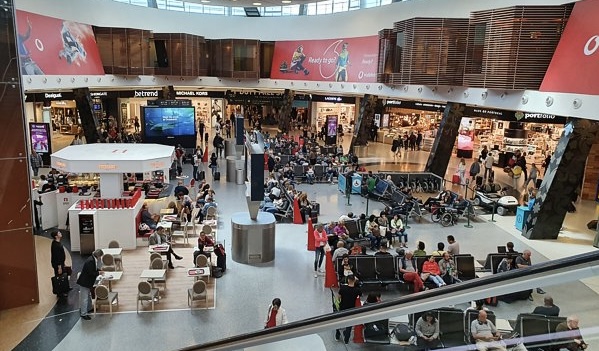
Rudolf Okonkwo: Diary of an African travelling across Europe
The Europeans who once crossed oceans to divide Africa among themselves have now found ways to bring much of their own continent together.

Showbiz
Meta deactivates Russell Brand’s Instagram, Facebook accounts after rape sentencing
Meta has deactivated British former comedian and actor Russell Brand’s Instagram and Facebook accounts following his conviction and sentencing for four sexual offences.
Abuja
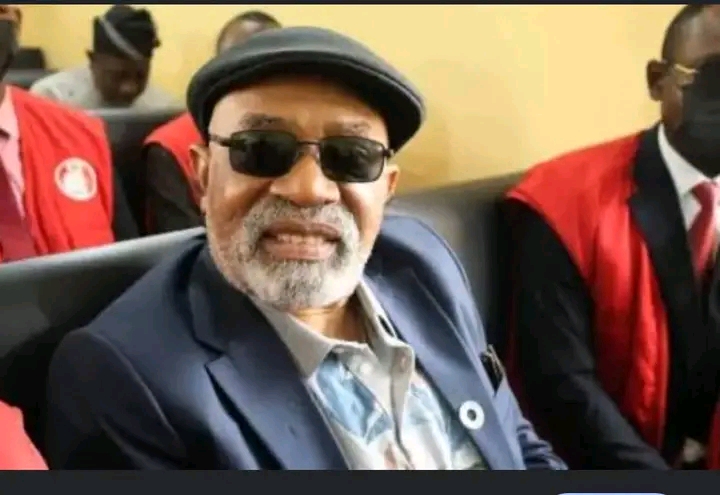
NSITF: EFCC continues N2 billion fraud trial against ex-labour minister Chris Ngige
The Economic and Financial Crimes Commission, EFCC, says it has continued prosecuting former labour minister Chris Ngige over alleged abuse of office.

Economy
Stock market loses N293 billion as profit-taking persists
The Nigerian stock market closed on a negative note on Wednesday as investors’ wealth declined by N293 billion.

Health
Domestic TB funding rose 14% to $5.6 billion, says WHO
WHO says domestic funding for TB rose 14 per cent to $5.6 billion between 2024 and 2025, helping sustain essential services despite declining international financing.


