

New Guidelines: WHO urges skin-to-skin contact for premature babies
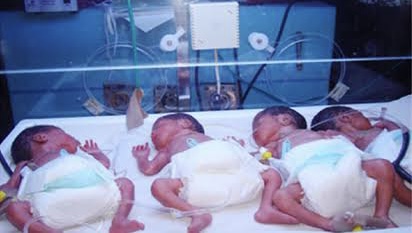
In new guidelines published on Tuesday, the World Health Organisation (WHO) said premature babies should be given skin-to-skin contact immediately after birth to improve their survival and health outcomes.
The advice marks a significant departure from earlier practice, reflecting the immense health benefits of ensuring caregivers – generally mothers – and preterm or small babies can stay close after birth without any separation.
WHO recommends that skin-to-skin contact, also known as “kangaroo mother care,” should begin immediately after these little ones take their first breath, without any initial period in an incubator.
“Preterm babies can survive, thrive, and change the world, but each baby must be given that chance,” Tedros Ghebreyesus, the WHO director-general, said in a statement. “These guidelines show that improving outcomes for these tiny babies are not always about providing the most high-tech solutions, but rather ensuring access to essential healthcare that is centred around the needs of families.”
The guidelines were released ahead of World Prematurity Day, observed annually on November 17.
They provide recommendations to ensure emotional, financial and workplace support for families facing extraordinary stress and hardship because of intensive caregiving demands and anxieties around their babies’ health.
Each year, an estimated 15 million babies worldwide are born preterm before the 37th week of pregnancy, or roughly one in 10 of all births. Even more, 20 million have a low birth weight, under 2.5 kg.
Numbers are rising, WHO reported, making prematurity the leading cause of death of children under five and an urgent public health issue. Regarding survival, significant disparities exist depending on where premature babies are born.
Whereas most born at or after 28 weeks in richer countries go on to survive, the rate in poorer countries can be as low as 10 per cent. WHO said most preterm babies could be saved through cost-effective measures such as quality care before, during and after childbirth, prevention and management of common infections, and kangaroo mother care.
The practice combines skin-to-skin contact in a special sling or wrap worn for as many hours as possible and exclusive breastfeeding.
Preterm babies lack body fat, so many have problems regulating their temperature when they are born and require medical assistance with breathing.
Previous recommendations called for these babies to first be stabilised in an incubator or warmer for around three to seven days on average, representing an initial separation from their primary caregiver.
However, WHO said research showed that starting kangaroo mother care immediately after birth saves many more lives, reduces infections and hypothermia, and improves feeding.
For premature and small babies, the first embrace with a parent was emotionally critical for their survival and health, Karen Edmond, medical officer for Newborn Health at WHO, said.
“Through COVID-19 times, we know that many women were unnecessarily separated from their babies, which could be catastrophic for the health of babies born early or small,” stated Ms Edmond. “These new guidelines stress the need to provide care for families and preterm babies together as a unit and ensure parents get the best possible support through what is often a uniquely stressful and anxious time.”
The guidelines also strongly recommend breastfeeding to improve health outcomes for premature and low birth weight babies because it reduces infection risks compared to infant formula.
Donor milk is the next best alternative if a mother’s milk is unavailable, though fortified “preterm formula” may be used if donor milk banks are not accessible.
(NAN)

We have recently deactivated our website's comment provider in favour of other channels of distribution and commentary. We encourage you to join the conversation on our stories via our Facebook, Twitter and other social media pages.

More from Peoples Gazette

Agriculture
FG tasks ECOWAS on leveraging financing strategies for agroecology
The federal government has urged stakeholders in the agriculture and finance sectors in the West Africa region to leverage financing strategies to enhance agroecology practices

Politics
Katsina youths pledge to deliver over 2 million votes to Atiku
“Katsina State is Atiku’s political base because it is his second home.”

Economy
Enugu extends health insurance to traders for affordable healthcare services
The Enugu State Agency for Universal Health Coverage has extended the health insurance scheme to traders to enable them to access affordable and quality healthcare services.

Sport
U.S. seizes 1,000 internet domains used to illegally stream 2026 World Cup matches
The U.S. government has shut down more than 1,000 internet domains that illegally streamed matches throughout the just-concluded 2026 FIFA World Cup without authorisation.

Heading 5
2027: YPP unveils Lagos secretariat
Mr Filani said the party was committed to rescuing Nigeria through purposeful leadership.

Hot news Home top
Spain, Argentina, France top FIFA rankings
Spain moved up one place to displace Argentina from the top spot.
Agriculture
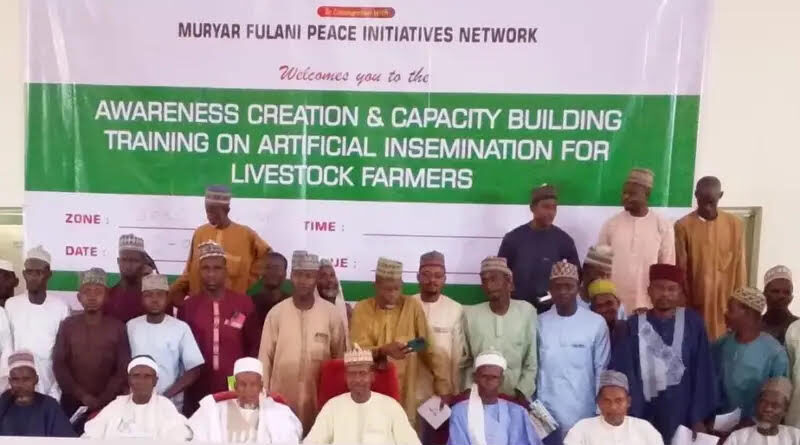
Sokoto trains livestock farmers on artificial insemination
Mr Abubakar said the initiative would strengthen breeders’ capacity.

Heading 5
NAFDAC nabs two fake alcohol merchants in Lagos
He urged operators dealing in regulated products to comply with all NAFDAC regulatory requirements.


