

Risks of rushing to electronic voting in Nigeria

As Nigeria prepares for elections in 2023, stakeholders from all sectors have debated the benefits and drawbacks of electronic voting (e-voting). E-voting is becoming a standard in electoral processes around the world. Nigerian politics appears to be edging closer to electronic voting. Estonia, Brazil, and Australia have all introduced e-voting at various levels in their political systems.
In Nigeria, e-voting has the potential to change a crucial democratic process: elections. It reduces workload processes, makes voting counting more accessible, and eliminates voter fraud, among other things. Importantly, e-voting can instil civic responsibility in citizens, particularly youngsters. In Canada, for example, e-voting has been shown to engage both the younger and older generations in a significant national debate.
While e-voting has several benefits, it is not without faults. In media debates, e-voting appears to be easier to implement than in practice. The hacking of the 2016 US presidential election by Russian authorities provides a glimpse into the possible risks of electronic voting.
In the 2015 general election, e-voting was put to the test. It experienced a great deal of embarrassment when the then-president, Goodluck Jonathan, and his wife were unable to be certified after a half-hour wait due to faulty Smart Card Readers (SCR).
The issue is not whether or not e-voting is possible (e-voting has been used successfully in a few countries). The topic of discussion is whether or not e-voting might be implemented within Nigeria’s current electoral framework. If appropriate mechanisms are not in place, such as legal regulations, harmonisation, logistical and institutional structures, technological and infrastructural facilities, the benefits of e-voting may eventually erode Nigeria’s waning trust in the election process.
Estonia’s success with e-voting, which is the only country that employs it countrywide, results from decades of targeted investment in comprehensive e-governance in the country. In the country’s drive for a better electoral process, e-voting is not a remote system. Since the 1990s, the system has been a part of the country’s full-fledged computerised governance. After extensive testing and integration of technology into multiple government systems, Estonia debuted e-voting.
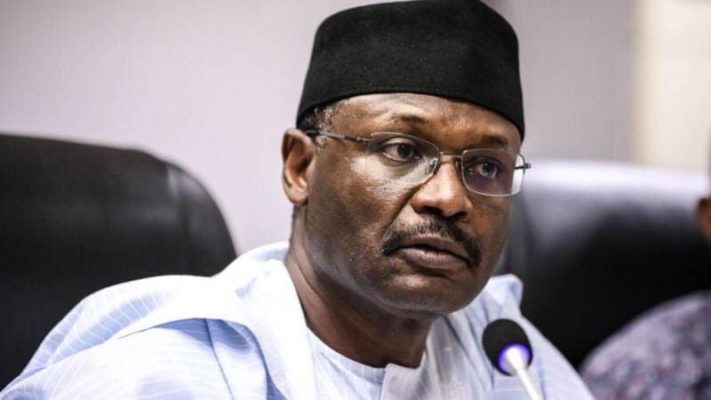
Nigeria’s situation is distinct from that of Estonia. It has a more significant population and a different level of public faith in technology tools. Within the current system, Nigeria’s technical readiness for e-voting is debatable. During the 2015 national elections, for example, the INEC website was hacked. INEC will be vulnerable to various attacks, including cyber-attacks, due to its implementation of e-voting for election operations.
During an election, the purpose of a cyber-attack varies. It is not always easy to win an election for the candidate of one’s choice. As a form of vengeance, it is sometimes used to target a specific candidate. It’s possible that it’s to demonstrate dominance over the country’s electoral system.
Even in the most modern countries, security for electronic voting is inadequate. Attacks occurred during the 2016 presidential election in the United States, and there are concerns about the safety of votes and public faith in the 2020 election.
Because of voting security concerns, developed countries such as France, Spain, and the Netherlands have abandoned internet voting after performing feasibility and pilot studies. Before the complete implementation of e-voting, security, particularly technological security, should be a top priority. Nigeria must put in place institutions to improve the electronic electoral system’s stability.
Election failure has serious political, legal, economic, and social ramifications. Nigeria’s fragile political system necessitates the highest level of e-voting preparation and preparedness. A system that was intended to be beneficial should not become a source of severe disadvantage. Any democratic process revolves around the concept of public trust.
The 2020 presidential election in the United States is a perfect example of the distrust from perceived flaws in political circles. Electoral irregularities caused by a poorly prepared system could harm the public’s belief in democratic processes long after elections.
These considerations raise questions about the ongoing demand for e-voting without a current discussion of the system’s fitness and readiness. The challenges do not negate the goal of e-voting and digitising Nigeria’s electoral processes. Instead, it reinforces the prior debate in Nigeria concerning the deployment of computerised voting.
Nicholas Aderinto is a Writing Fellow at the African Liberty

We have recently deactivated our website's comment provider in favour of other channels of distribution and commentary. We encourage you to join the conversation on our stories via our Facebook, Twitter and other social media pages.

More from Peoples Gazette

States
Independence: NBA urges Nigerians to expect better future
The NBA said that ordinary Nigerians should be deriving benefit from the subsidy removal rather than hardship.

Agriculture
FG tasks ECOWAS on leveraging financing strategies for agroecology
The federal government has urged stakeholders in the agriculture and finance sectors in the West Africa region to leverage financing strategies to enhance agroecology practices

Politics
Katsina youths pledge to deliver over 2 million votes to Atiku
“Katsina State is Atiku’s political base because it is his second home.”

NationWide
NRS bolsters taxpayer education to promote voluntary compliance
Mr Abdullahi said taxpayers needed clear and practical explanations of the reforms.

States
Bandits invade Taraba community, kill 48 villagers, others missing
The state police spokesperson said officers had been deployed to ensure the safety of villagers.

Education
Kaduna targeting zero out-of-school children in one year, says commissioner
Mr Madaki emphasised the need to prioritise children from disadvantaged backgrounds.

Abuja
Police arrest another Abuja driver over fake presidential number plate
The police said the suspect was arrested on Monday at about 2:35 p.m.

Sport
La Liga apologises to China over Mbappé’s Mao meme comment
La Liga said, “To the extent of our institutional responsibility, we apologise on behalf of LALIGA and all its clubs.”

States
Kogi assembly passes state police bill
Mr Yusuf said that State Police occupied a significant place in Nigeria’s nation-building process over the past decades.


