

Nigeria, 59 other countries to face 12.5% U.S. tariff increase
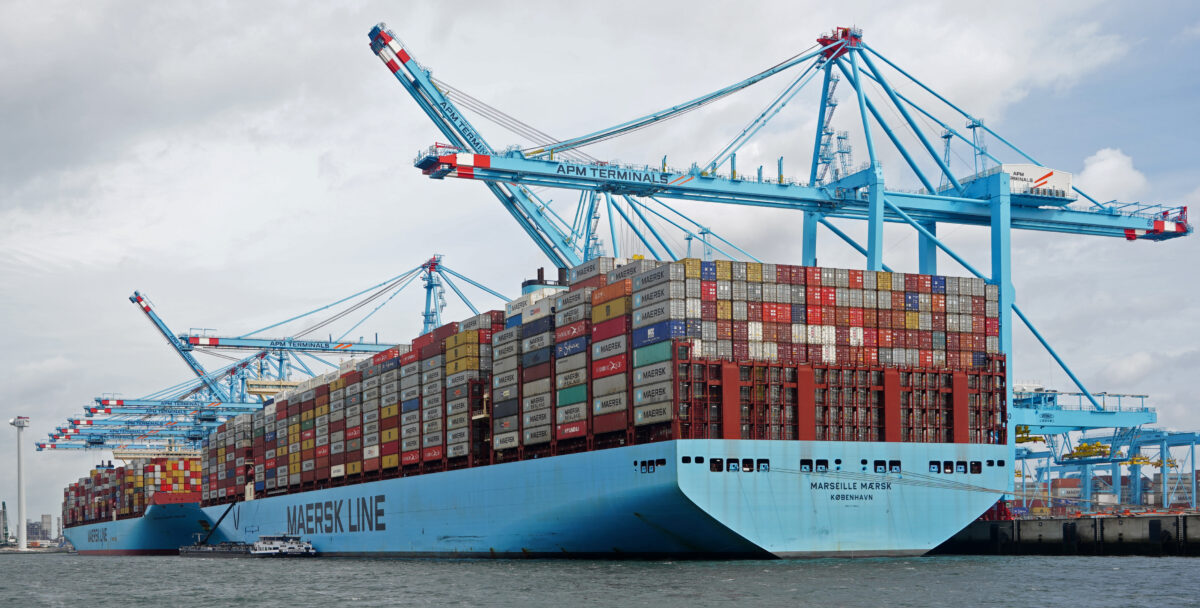
The U.S. government has proposed a 12.5 per cent tariff on Nigeria and other countries over failure to impose and effectively enforce a ban on the importation of goods produced with forced labour.
In a statement on Tuesday, the United States Trade Representative (USTR) announced that its investigations showed that the acts, policies, and practices of 60 economies related to the failure to impose and effectively enforce a prohibition on the importation of goods produced with forced labour were unreasonable and burdened or restricted U.S. commerce.
“For economies that impose a forced labour import prohibition, that have committed to impose and enforce such a prohibition through an Agreement on Reciprocal Trade, or economies that have imposed a partial regime with the effect of preventing the importation of certain forced labour goods, the U.S. Trade Representative proposes 10% as the rate of additional duties. For all other economies, the U.S. Trade Representative proposes 12.5% as the rate of additional duty,” the statement said.
It added, “The U.S. Trade Representative also proposes a textile mechanism that would allow for a certain volume of apparel and textile imports from certain economies to enter the United States at a reduced Section 301 tariff rate.”
The U.S. Trade Representative Ambassador, Jamieson Greer, said, “The failure of our most important trading partners to address the importation of goods made with forced labour is unacceptable. This creates a dynamic where American workers are forced to compete globally on an unlevel playing field.”
The trade ambassador said America would no longer tolerate the disparity, adding, “Each of our trading partners must do more to ensure that trade does not perversely encourage and entrench forced labour globally.”
The affected countries include Algeria, Angola, Argentina, Australia, the Bahamas, Bahrain, Bangladesh, Brazil, Cambodia, Chile, China, Colombia, Costa Rica, Dominican Republic, Egypt, El Salvador, Guatemala, Guyana, Honduras, Hong Kong, China, India, Iraq, Israel, Japan, Jordan and Kazakhstan.
Others are Kuwait, Libya, Malaysia, Morocco, New Zealand, Nicaragua, Norway, Oman, Peru, the Philippines, Qatar, Russia, Saudi Arabia, Singapore, South Africa, South Korea, Sri Lanka, Switzerland, Taiwan, Thailand, Trinidad and Tobago, Türkiye, United Arab Emirates, the United Kingdom, Uruguay, Venezuela, and Vietnam.
The USTR also stated that six economies had failed to effectively enforce a prohibition on the importation of goods produced with forced labour, including Canada, Ecuador, the European Union, Indonesia, Mexico, and Pakistan.

We have recently deactivated our website's comment provider in favour of other channels of distribution and commentary. We encourage you to join the conversation on our stories via our Facebook, Twitter and other social media pages.

More from Peoples Gazette

States
Independence: NBA urges Nigerians to expect better future
The NBA said that ordinary Nigerians should be deriving benefit from the subsidy removal rather than hardship.

Agriculture
FG tasks ECOWAS on leveraging financing strategies for agroecology
The federal government has urged stakeholders in the agriculture and finance sectors in the West Africa region to leverage financing strategies to enhance agroecology practices

Politics
Katsina youths pledge to deliver over 2 million votes to Atiku
“Katsina State is Atiku’s political base because it is his second home.”
NationWide
U.S. reaffirms commitment to helping Nigeria combat terrorism
This comes amid rising insecurity in the country.
Lagos
2027 polls: Lagos official mobilises maritime students for participation
Mr Emmanuel was represented by the convener of Blue Lagos, Saheed Adesanya.
World
UK, Canada, Germany, five others reaffirm support for ICC after Trump imposes sanctions
Mr Trump sanctioned the ICC on Friday, shortly after former judge Navanethem Navi Pillay won the 2026 Nobel Peace Prize.

States
2027: Kwara North traditional rulers pledge massive votes for APC
Mr Bologi said the meeting was to plead with President Bola Tinubu and the federal government to support their agenda.
States
Police assure parties, candidates of security ahead of Kogi LG polls
The police boss said the command had mapped out strategies to ensure peaceful elections.
States
Bayelsa: APC group takes Tinubu’s re-election sesitisation to Nembe, Brass
Mr Sam urged eligible voters in the communities to participate actively in the 2027 presidential election.


