

Nigeria boosts surveillance of acute febrile illnesses

The Nigeria Centre for Disease Control and Prevention and some stakeholders have taken significant steps to advance the nation’s surveillance of acute febrile illnesses.
The stakeholders converged on Abuja to mark a new phase in Nigeria’s efforts to monitor and respond to diseases plaguing the country, including malaria, Lassa fever, and dengue.
The Acute Febrile Illness Sentinel Surveillance project is a collaborative effort between the NCDC and some partners.
The partners include the Institute of Human Virology Nigeria and the U.S. Centres for Disease Control and Prevention which have been pivotal in this journey.
The project, which tests for nine diseases, including malaria and SARS-CoV-2, has established sentinel sites across the six geopolitical zones of Nigeria to improve data collection and response strategies.
In his keynote address, Director General of the NCDC, Jide Idris, highlighted the evolution of Nigeria’s surveillance systems from rudimentary data collection methods to sophisticated, technology-driven approaches.
Mr Idris, represented by Director of Special Duties, NCDC, John Oladejo, said that as Nigeria entered this new phase, the focus would be on enhancing data analysis capabilities.
He said that there would also be a focus on improving the timeliness of reporting systems and ensuring that responses to febrile illnesses were swift and effective.
“We have laid a strong foundation, but there is still much work to be done,” he said.
He called for a renewed commitment to transparency, accountability, and inclusivity in the surveillance process, particularly in rural and underserved areas.
He acknowledged both the opportunities and challenges facing Nigeria’s febrile illness surveillance.
“Advances in diagnostic technologies and real-time data offer hope for early detection and intervention, but emerging threats, such as new pathogens and the impacts of climate change, present challenges,” he said.
The DG NCDC urged stakeholders, from frontline health workers to policymakers, to work together to build a resilient surveillance system capable of protecting the health of all Nigerians.
“With your continued dedication and collaboration, we can achieve our shared vision of Nigeria. We want a situation whereby febrile illnesses are detected early, managed effectively, and ultimately prevented from taking the heavy toll they have in the past,” he said.
As Nigeria moves forward with this renewed focus on febrile illness surveillance, the Programme Director of the Division of Global Health Protection at the US CDC, Farah Husain, said that the hope was that these efforts would lead to a healthier and more resilient nation.
Ms Husain said that the event marked both the culmination of two years of hard work and the beginning of a new phase in the partnership focused on AFIS.
She highlighted the critical role of AFI surveillance in public health, particularly in identifying pathogens, preventing misdiagnosis, and addressing drug resistance to reduce morbidity and mortality.
She acknowledged the progress made in building surveillance capacity and the lessons learned from challenges faced during the past two years.
She underscored the importance of establishing a robust AFI surveillance system that can quickly detect and reduce the spread of diseases within Nigeria and beyond, contributing to global health protection.
Earlier, Executive Director of the International Research Centre of Excellence, Alash’le Abimiku, stressed the importance of collaboration between various partners, including the Institute of Virology, the Nigerian government, and the US CDC.
Abimiku underscored the value of working together on this “very important journey.”
She highlighted the commitment to supporting the Nigerian government, particularly in the transition phase, and the ongoing efforts to improve healthcare and accurately diagnose patients.
She expressed confidence in the future, noting that the foundation built through these partnerships would ensure a seamless transition and continued progress in achieving better healthcare outcomes.
She encouraged open discussions about difficult issues, emphasising that this was a collective effort and that stakeholders, especially Nigerians, should actively participate in shaping the future.
She acknowledged that while significant progress has been made, the journey was just beginning, adding that there was a commitment to doing even better moving forward.
AFI is a common symptom of various infectious diseases, often treated based on symptoms due to the limited diagnostic services in Nigeria.
The AFIS project, launched on April 4, 2022, aims to strengthen surveillance and diagnostic capacity for priority pathogens associated with AFI.
The project operates across six health facilities in different geopolitical zones, focussing on identifying AFI causes, building epidemiological and laboratory capacity, and establishing a biorepository.
Key activities include training lab scientists, confirming AFI cases, managing data through systems such as SORMAS, and providing supervision and mentorship.
NCDC, IHVN, and UUSCDC play specific roles in sample testing, data management, technical support, and oversight.
The project’s sustainability will offer benefits like early disease detection, targeted public health interventions, and integration with existing surveillance systems.
(NAN)

We have recently deactivated our website's comment provider in favour of other channels of distribution and commentary. We encourage you to join the conversation on our stories via our Facebook, Twitter and other social media pages.

More from Peoples Gazette

States
Independence: NBA urges Nigerians to expect better future
The NBA said that ordinary Nigerians should be deriving benefit from the subsidy removal rather than hardship.

Agriculture
FG tasks ECOWAS on leveraging financing strategies for agroecology
The federal government has urged stakeholders in the agriculture and finance sectors in the West Africa region to leverage financing strategies to enhance agroecology practices

Politics
Katsina youths pledge to deliver over 2 million votes to Atiku
“Katsina State is Atiku’s political base because it is his second home.”
Faith
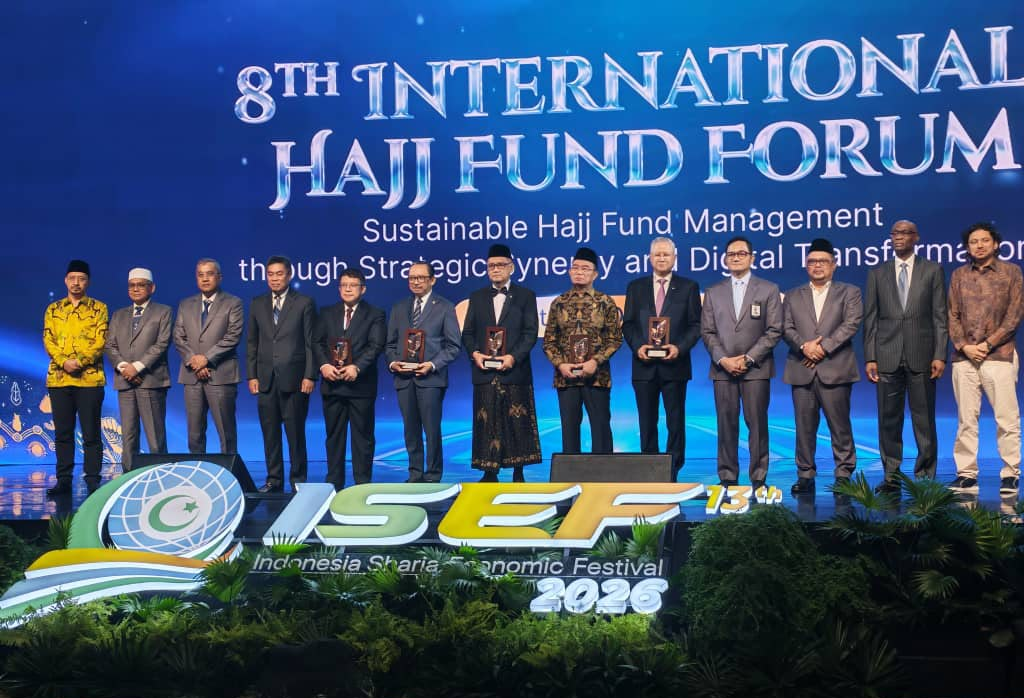
NAHCON seeks inter-agency, global partnerships for sustainable hajj financing
The National Hajj Commission of Nigeria has called for stronger inter-agency collaboration and digital reforms to protect Hajj funds against global financial volatility.
Abuja
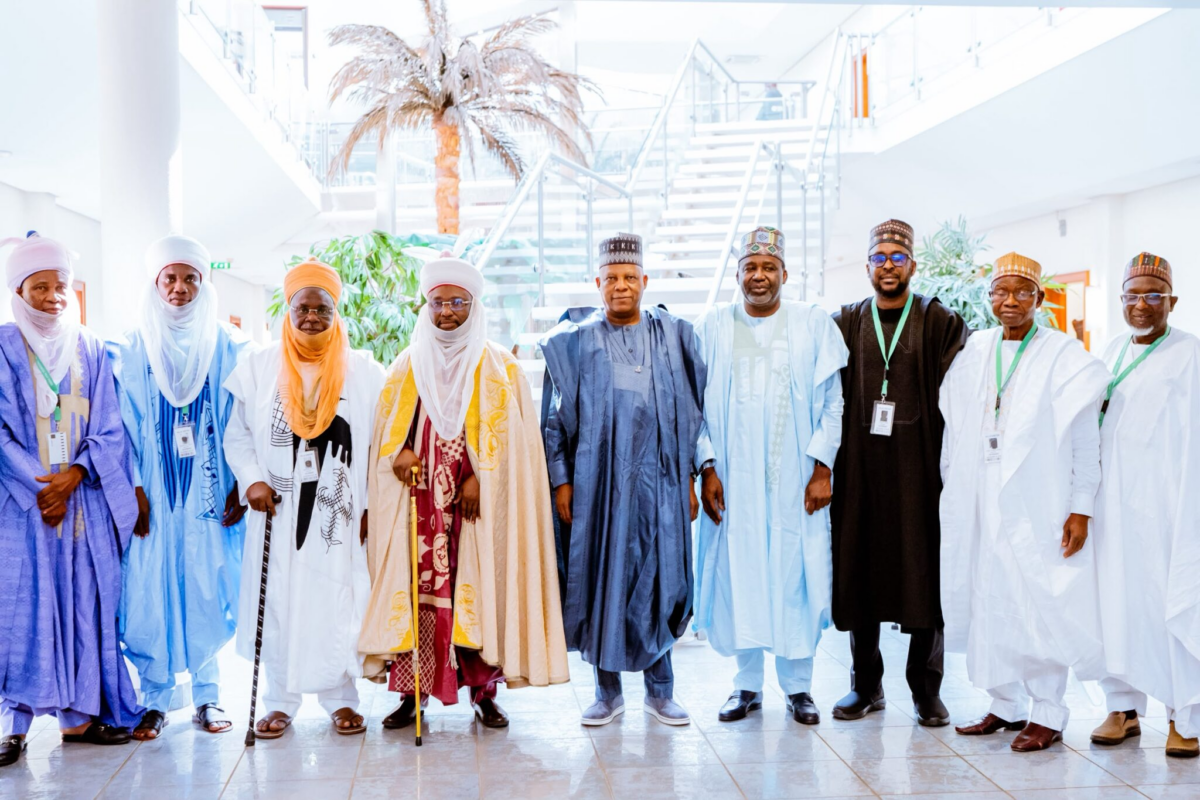
Shettima reaffirms Tinubu govt’s support for traditional rulers
Mr Shettima reaffirmed President Bola Tinubu’s commitment to supporting traditional rulers as partners in promoting national security, unity and economic development.
Education
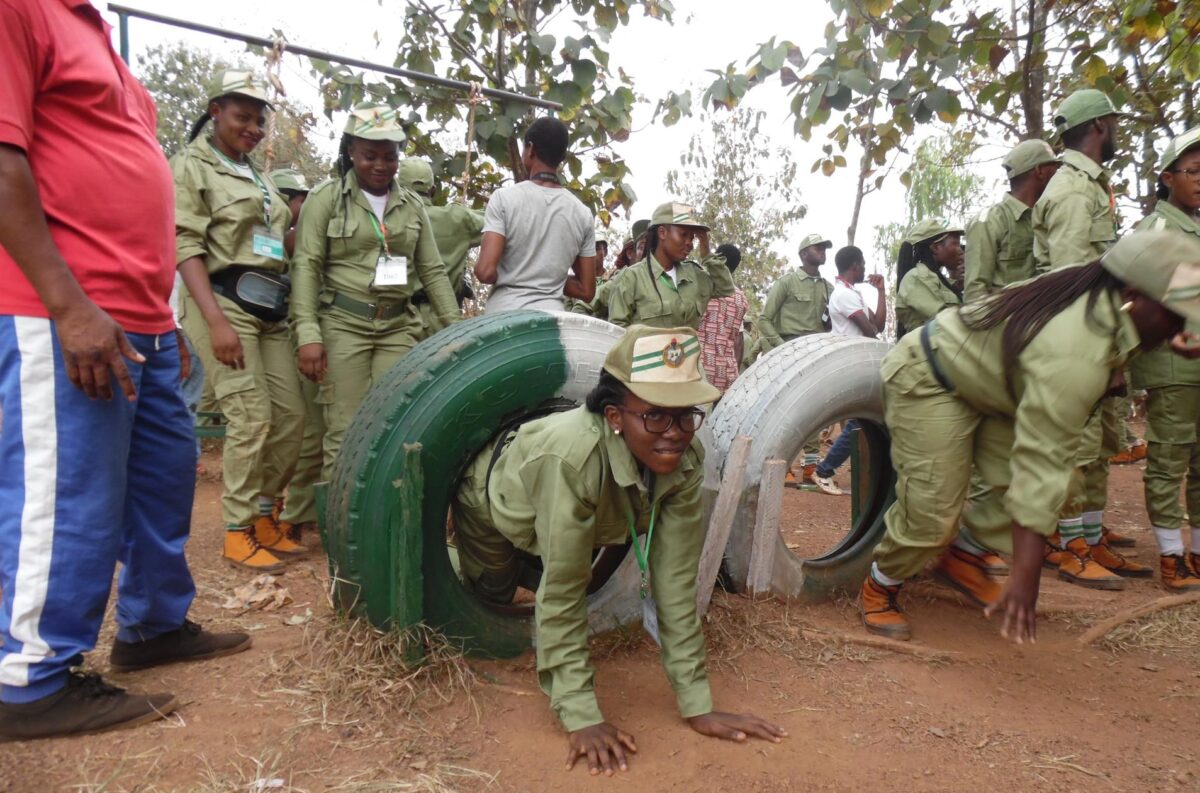
Cross River relocates NYSC camp to Akamkpa for renovation
The Cross River government has approved the temporary relocation of the NYSC orientation camp from Obubra council area to Akamkpa LGA for comprehensive renovation.

States
Govt requires citizens’ support to meet societal needs, says Makinde
Governor Seyi Makinde says no government can meet all societal needs without support from individuals and corporate organisations.
World
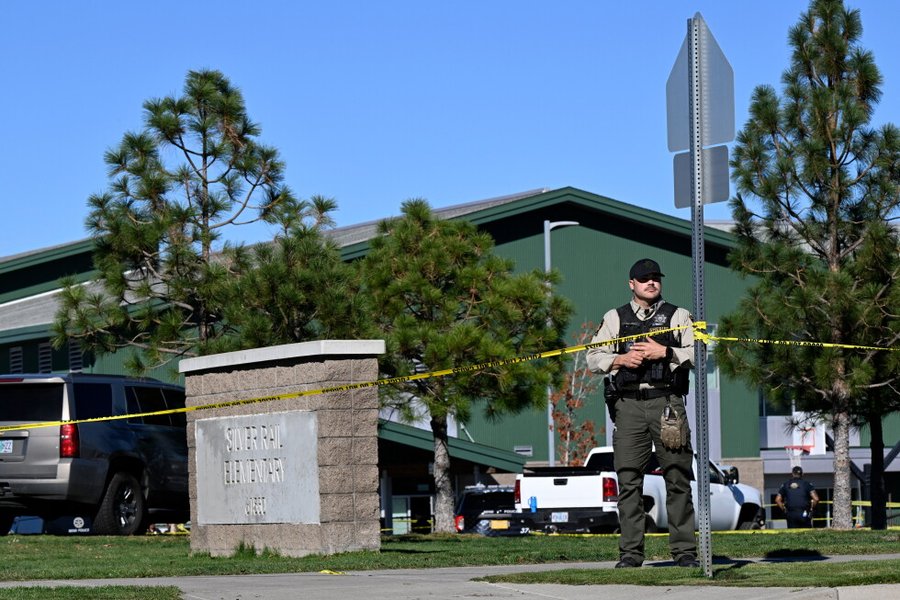
Children, teacher shot dead by teenager at Oregon elementary school
A teenager opened fire at a primary school in Oregon, U.S., killing three children and one teacher on Thursday.
NationWide
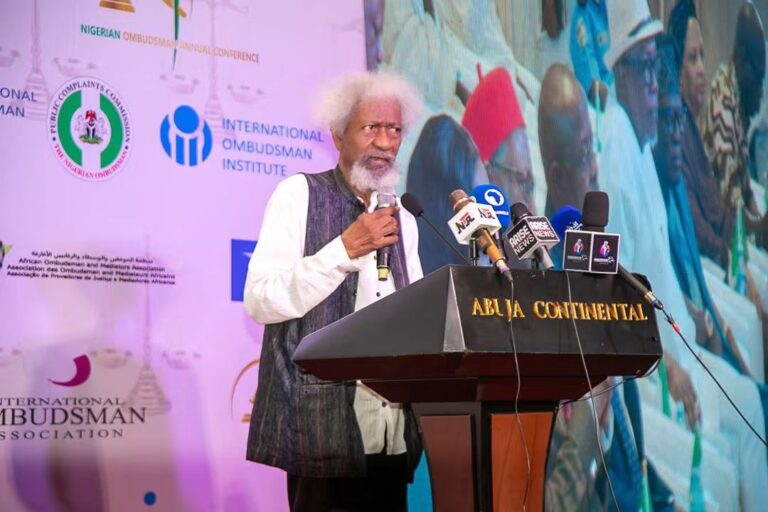
Soyinka urges PCC to prioritise enforcement of court judgements
Nobel Laureate Wole Soyinka has urged the Public Complaints Commission to prioritise enforcement of court judgments to bridge the gap between justice delivery and implementation.


