

Nigeria exempts cement, rice, sugar, flour from free trade deal
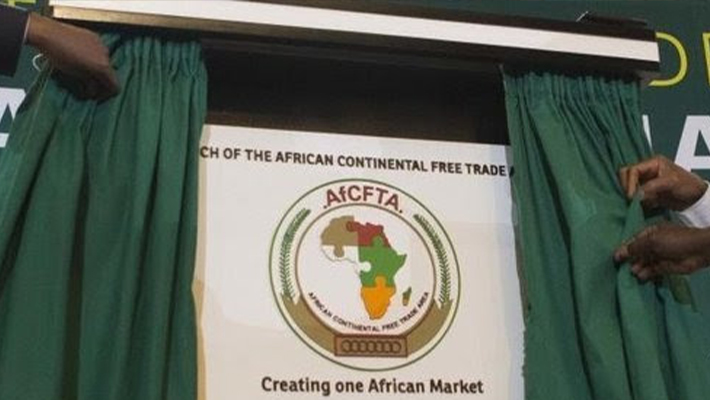
Nigerian government has exempted cement, flour, rice, sugars and 180 other products from the African Continental Free Trade Area (AfCFTA) deal.
These items were exempted from the list, based on national priorities, trade volume, priority, food security and competitive advantage, The Guardian reported.
A complete list is expected before the end of the month after consideration from the Tariff Technical Committee.
The AfCFTA seeks to expand market space for member countries’ exports and reduce the cost of importing goods and services. The agreement hinges on five major policies; trade in goods, trade in services, dispute settlement, investment and intellectual property rights and competition policy.
The goal of the agreement is to eliminate the bulk of the tariffs on goods, and barriers like difficult customs procedures and solve challenges including smuggling, abuse of rules of origin, low production and service capacities, poor infrastructure and revenue loss.
Despite the plans for a single market, Nigeria still prohibits up to 26 goods from being imported, the Central Bank denies foreign exchange at official market rates to importers of more than 40 other goods.
Rice tops the list of prohibited products in which the CBN has restricted foreign exchange for and equally accounts for one of the most smuggled items in the country due to local production capacity unable to meet demand. A 50kg bag of local rice presently sells at between N22,000 to N25,000.
The last Consumer Price Index report, released by the National Bureau of Statistics (NBS), showed that food inflation climbed by 19.56 percent in December, caused by hikes in the prices of bread and cereals, potatoes, yam and other food products.
In December 2019, the federal government had set up the National Action Committee (NAC) to guide ministries, departments and agencies and the organised private sector on AfCFTA implementation.
In January, The Nigeria Customs Service said it was yet to receive clear directives from the National Action Committee (NAC) on implementable tariffs for all goods covered by the African Continental Free Trade Area (AfCFTA) agreement.

We have recently deactivated our website's comment provider in favour of other channels of distribution and commentary. We encourage you to join the conversation on our stories via our Facebook, Twitter and other social media pages.

More from Peoples Gazette

States
Independence: NBA urges Nigerians to expect better future
The NBA said that ordinary Nigerians should be deriving benefit from the subsidy removal rather than hardship.

Agriculture
FG tasks ECOWAS on leveraging financing strategies for agroecology
The federal government has urged stakeholders in the agriculture and finance sectors in the West Africa region to leverage financing strategies to enhance agroecology practices

Politics
Katsina youths pledge to deliver over 2 million votes to Atiku
“Katsina State is Atiku’s political base because it is his second home.”

Heading 3
El Niño: Experts warn of heat-related illnesses
She said prolonged heat could cause dehydration, heatstroke, cardiovascular strain and kidney complications.
Heading 4
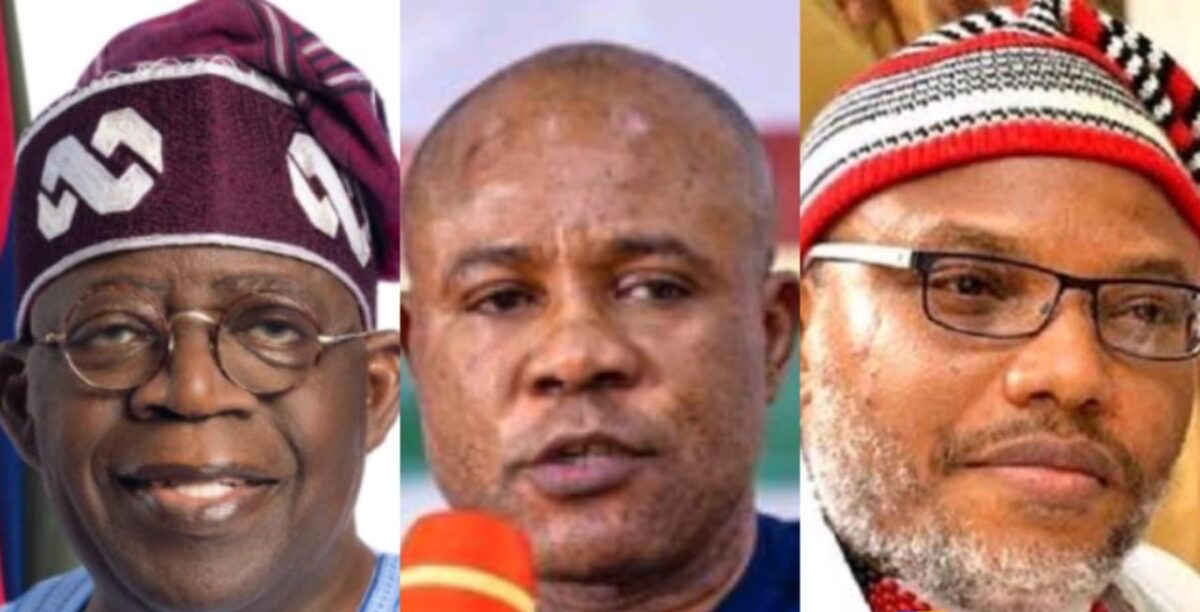
Enugu community backs Tinubu, Mbah for 2027, seeks Nnamdi Kanu’s release
The traditional ruler urged political opponents to conduct their campaigns peacefully.
Education
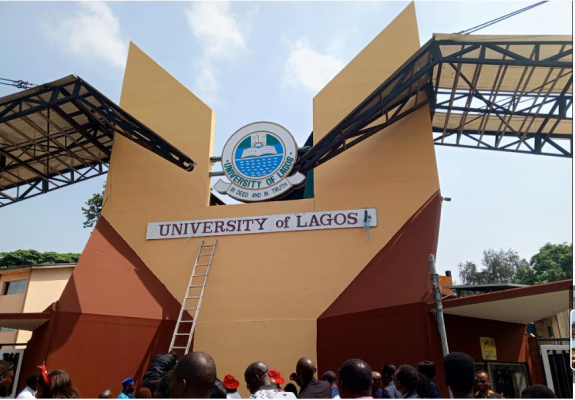
UNILAG to test new students for drugs, substances in toxicology screening
UNILAG urged newly admitted students to visit its website for further information.
Heading 1
2027: DMI backs Tinubu’s reforms, forms alliance with president’s support group
She maintained that DMI’s ultimate mission was to promote stronger institutions.
Heading 4
ADC kicks off 2027 campaign in Imo, promises grassroots development
Mr Ihedioha explained that he associated with the party’s candidates because of their integrity.
States
Kebbi: Hassan-Augie wins fresh APC primary for Argungu/Augie constituency
The party said the constituency had 44,784 registered delegates, while 34,332 votes were cast in the election.


