

Nigeria is net debtor; heavily reliant on oil, gas exports, latest IMF report shows

The latest report by the International Monetary Fund shows that Nigeria is a “net debtor” country heavily reliant on proceeds and remittances from oil and gas exports to mitigate its national gross external liabilities.
In the ‘2024 Article IV consultation’ published following a bilateral discussion between the IMF and Nigerian officials on economic developments and policies, the country’s Net International Investment Position (NIIP) decreased by 22 per cent in 2023 due to depreciation.
The report also noted that Nigeria’s NIIP steadily declined in the last five years, mainly due to increased external borrowing. During the regime of former President Muhammadu Buhari, Nigeria borrowed billions of dollars in external loans.
“The net international investment position (NIIP) is estimated to have deteriorated to 22 per cent of GDP in 2023 in large part due to the depreciation in 2023. Over the last five years, the NIIP declined in absolute terms mainly owing to increased external borrowing,” the report stated.
“With improved oil production and a significant depreciation in the exchange rate towards the end of 2023, Nigeria’s current account balance only improved by a small margin, and Nigeria’s NIIP would be mainly determined by exchange rate changes, increased investments in the OMOs market, and Eurobond issuances,” the report said.
“Going forward,” the IMF noted, “exchange rate changes, increased investments in the OMOs market and Eurobond issuances are likely to be the main determinants. Despite the significant exchange rate depreciation and improved oil production towards the end of 2023, the current account balance is estimated to have improved only marginally.”
The IMF report concluded that “going forward, risks from Nigeria’s gross external liabilities would be mitigated by oil export proceeds, remittances, access to market financing and the long-term nature of external debt (average maturity is 13 years).”

We have recently deactivated our website's comment provider in favour of other channels of distribution and commentary. We encourage you to join the conversation on our stories via our Facebook, Twitter and other social media pages.

More from Peoples Gazette

States
Independence: NBA urges Nigerians to expect better future
The NBA said that ordinary Nigerians should be deriving benefit from the subsidy removal rather than hardship.

Agriculture
FG tasks ECOWAS on leveraging financing strategies for agroecology
The federal government has urged stakeholders in the agriculture and finance sectors in the West Africa region to leverage financing strategies to enhance agroecology practices

Politics
Katsina youths pledge to deliver over 2 million votes to Atiku
“Katsina State is Atiku’s political base because it is his second home.”

Heading 4
Flydubai co-pilot Hamam Al-Hammani inspired by 9/11 terror attack, radicalised in 2017: UAE
The 9/11 attacks claimed lives across 77 countries.
Hot news Home top
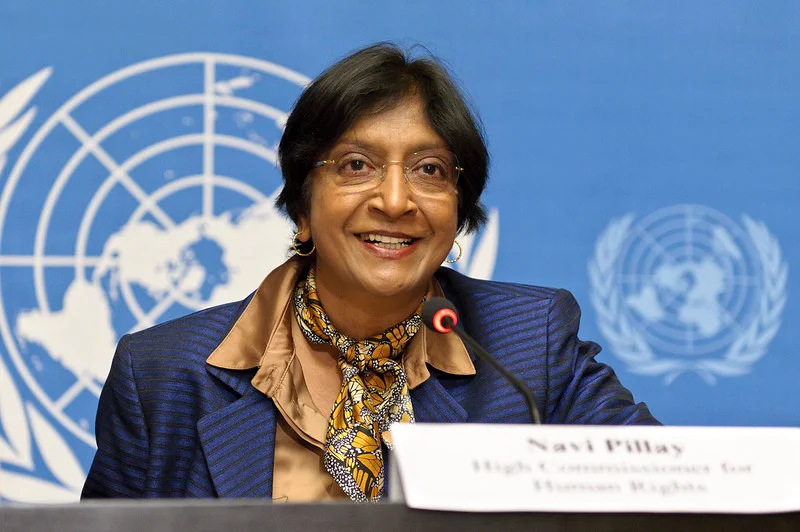
Israel blasts Nobel Peace Prize award to Navi Pillay over Gaza genocide probe
The Norwegian Nobel Committee on Friday announced Ms Pillay as the winner of the coveted prize.
Heading 3
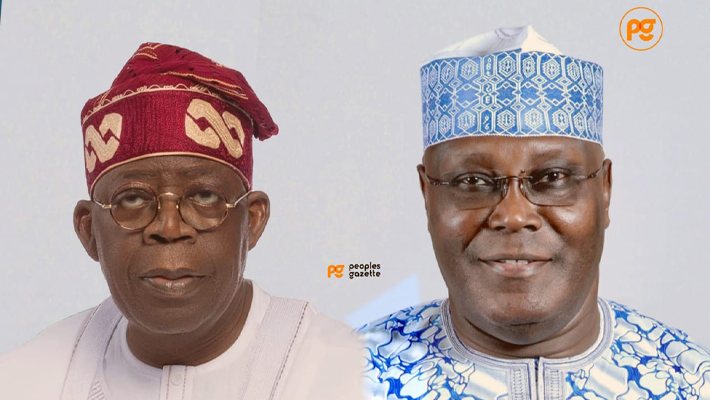
Subsidy: Tinubu, puppet of France, acted like dull student who copied classmate’s answer alongside name, says Atiku
According to Mr Abubakar, Mr Tinubu’s administration has made life unbearable and called it reform.
NationWide
NiMet urges governments to protect human capital against climate shocks
Mr Anosike stressed the need to make climate intelligence local, timely and actionable.

NationWide
U.S. reaffirms commitment to helping Nigeria combat terrorism
This comes amid rising insecurity in the country.
Lagos
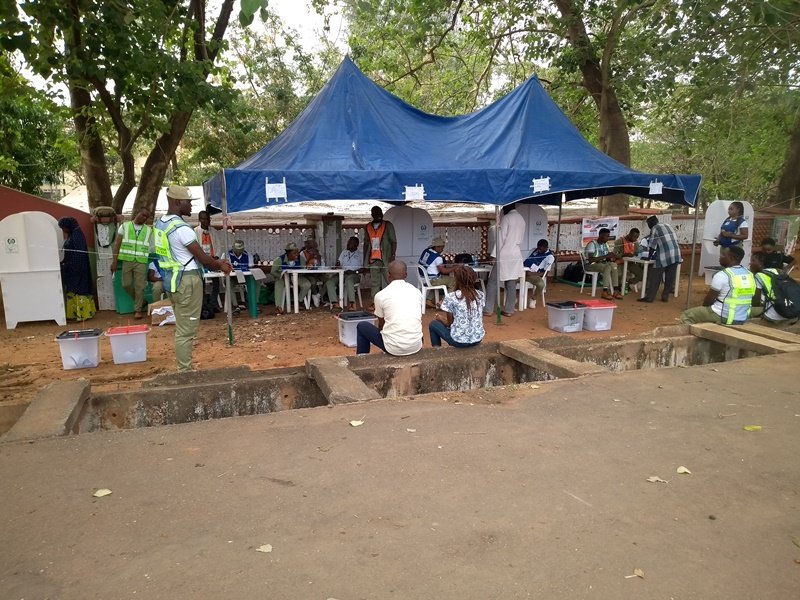
2027 polls: Lagos official mobilises maritime students for participation
Mr Emmanuel was represented by the convener of Blue Lagos, Saheed Adesanya.


