

Nigeria must reject foreign intervention, fix rot within

When the U.S. president warned that Nigeria could face sanctions or even American intervention over the alleged persecution of Christians, many Nigerians reacted with mixed emotions. For some, especially those who have lost loved ones in sectarian violence or have been displaced by conflict, it sounded like long-overdue justice. But the truth is that foreign intervention has never been the cure for internal failure. It is a dangerous path that almost always leaves nations weaker, divided, and open to exploitation.
We have seen this play out before. Iraq, Libya, and Syria were once functioning nations with deep internal problems, but foreign intervention turned those problems into disasters.
The story always begins with talk about “human rights” and “protection of the innocent,” yet it ends with destroyed economies, broken societies, and foreign powers securing long-term control over oil and other resources.
Nigeria must not become the next case study in this global pattern. The so-called rescue missions of powerful nations are rarely driven by compassion; they are guided by interest.
Still, we must be honest about why such interventions find support among our people. Too many Nigerians have stopped believing in their country because their country stopped believing in them.
Marginalised regions such as the South-East continue to live with the historical scars of the Biafran war and the persistent reality of systemic exclusion and disenfranchisement. The Middle Belt continues to bleed from farmer-herder clashes. The North-East has endured endless Boko Haram attacks and neglect. The Niger Delta remains trapped between environmental ruin and political hypocrisy.
Add to this the growing frustration from widespread corruption, stolen public funds, and leaders who live in comfort while citizens drown in poverty—and the desperation becomes clear.
Even our justice system, which should be the last hope of the common man, has become a shadow of itself. Court rulings are now seen as products of influence, not integrity. Politicians openly boast of “buying” judgments. Cases that should be decided on merit are settled through back channels and political pressure. It has become a system where the powerful are never guilty and the poor are never right. When people see that even the courts cannot deliver justice, what is left to believe in? That loss of faith is why foreign intervention, no matter how dangerous, can begin to look like hope.
Our elections, too, have become a tragic cycle of deceit. Ballots are rigged, results are rewritten, and the same recycled names keep returning to power. Many citizens no longer see the point of voting. Democracy, which should give voice to the people, has turned into a marketplace for the highest bidder. And yet, every rigged election, every corrupt judgment, and every unpunished act of injustice chips away at our sovereignty. When institutions fail this badly, we hand foreign powers the perfect excuse to meddle—and they will, under the banner of “restoring order.”
Nigeria’s salvation will not come from America, Europe, or any other foreign power. It must come from Nigerians who are ready to rebuild trust from the ground up. We must insist on credible elections, an independent judiciary, and leaders who are accountable to the people. We must fix the justice system that has been bastardised by greed and restore the rule of law that once gave citizens hope. The world may sympathize, but no one will save Nigeria for us.
Foreign intervention is not salvation. It is surrender. And Nigeria has surrendered enough.
Daniel Ajiroba is a policy analyst and adjunct professor of health sciences based in Canada.

We have recently deactivated our website's comment provider in favour of other channels of distribution and commentary. We encourage you to join the conversation on our stories via our Facebook, Twitter and other social media pages.

More from Peoples Gazette

States
Independence: NBA urges Nigerians to expect better future
The NBA said that ordinary Nigerians should be deriving benefit from the subsidy removal rather than hardship.

Agriculture
FG tasks ECOWAS on leveraging financing strategies for agroecology
The federal government has urged stakeholders in the agriculture and finance sectors in the West Africa region to leverage financing strategies to enhance agroecology practices

Politics
Katsina youths pledge to deliver over 2 million votes to Atiku
“Katsina State is Atiku’s political base because it is his second home.”
Heading 5
2027: INEC assures PWDs of inclusive participation in Zamfara
The REC stressed that the right to vote belongs to every eligible citizen.
Heading 1
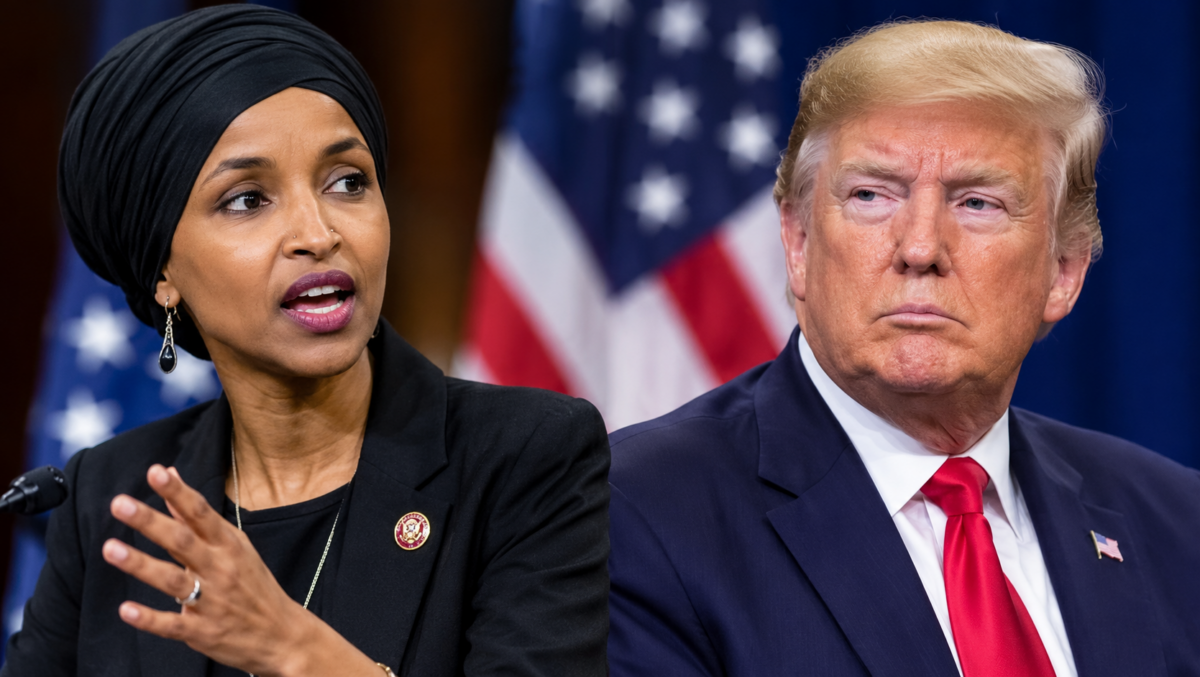
Ilhan Omar calls Trump ‘pedophile protection party’s president’
The Somali-born American politician insisted that her name had always been Ilhan Omar.
Heading 3
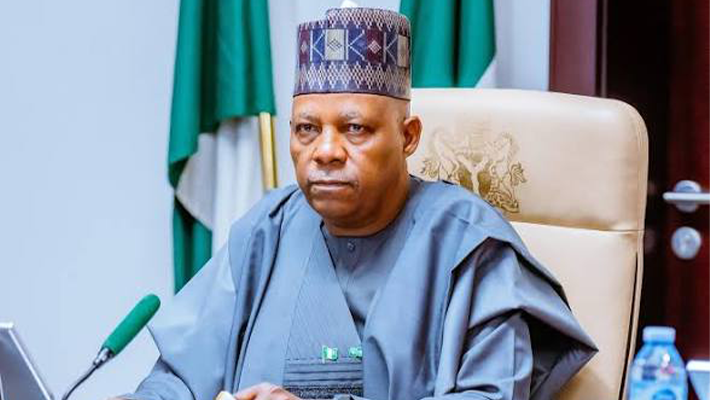
Shettima inaugurates teaching hospital, schools in Borno
Mr Shettima commended Governor Babagana Zulum for establishing the hospital.

Hot news Home top
14 bandits killed as hunters repel attack in Katsina village
The commissioner stated that intelligence report revealed the movement of 26 armed bandits on 13 motorcycles.
States
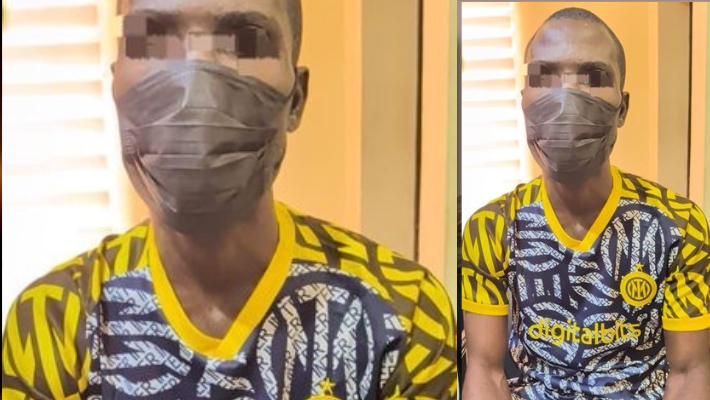
Police nab man for allegedly killing retired teacher in Ogun
The victim was reportedly killed at her residence in Agbaakin Emere, Abeokuta, on February 27, 2026.

Health
Zamfara NMA intensifies surveillance against Ebola
He said the NMA has developed an incident action plan to create public awareness about Ebola.


