

Nigeria, other African countries dependent on economies outside continent, vulnerable to global shocks: UNCTAD

Nigeria and other African countries are at the epicentre of overlapping global crises – economic shocks, climate disruptions and geopolitical tensions – that compound vulnerabilities.
UN Trade and Development’s ‘Economic Development in Africa Report 2024’ highlights how economies face heightened uncertainty during major shocks, including the 2008 financial crisis, the 2014 commodity price collapse and COVID-19.
The report calls for stronger regional trade networks to reduce dependence on external markets, enhance stability, mitigate global shocks and unlock the $3.4 trillion potential of the continental free trade area (AfCFTA).
The report uses a new framework to analyse vulnerabilities across six areas: coups, governance challenges and weakened democratic institutions. Africa has seen 220 of the world’s 492 coup attempts since 1950, high debt, trade imbalances and inflation.
Nearly half of African nations had debt-to-GDP ratios above 60 per cent in 2023, with many spending more on debt interest than education or health, rapid population growth and migration pressures, dependency on fossil fuels and limited renewable infrastructure.
Over 50% of the continent’s energy supply still comes from fossil fuels, digital divides and under-preparedness for disruptive innovations, extreme weather and dependence on climate-sensitive agriculture. Climate disasters affected 110 million Africans, causing $8.5 billion in damages in 2022.
Over 50% of the continent’s imports and exports are tied to just five economies, all outside of Africa. Meanwhile, only 16 of 54 African nations source more than 0.5% of their intermediate goods within the region, missing key opportunities for value-added trade and manufacturing.
However, trading networks within Africa’s regional blocs are more diversified, with multiple countries acting as suppliers and users of value-added goods.
Stronger, more diversified trade networks reduce vulnerabilities and create growth spillovers. For example, a 1% increase in a neighbouring country’s GDP can boost growth in a landlocked country by up to 0.7%.

We have recently deactivated our website's comment provider in favour of other channels of distribution and commentary. We encourage you to join the conversation on our stories via our Facebook, Twitter and other social media pages.

More from Peoples Gazette

Agriculture
FG tasks ECOWAS on leveraging financing strategies for agroecology
The federal government has urged stakeholders in the agriculture and finance sectors in the West Africa region to leverage financing strategies to enhance agroecology practices

Politics
Katsina youths pledge to deliver over 2 million votes to Atiku
“Katsina State is Atiku’s political base because it is his second home.”

Heading 4
Flamingos trounce Togo 4-0 to lift Women’s WAFU-U17 trophy
Next up for the Flamingos is the 10th FIFA Women’s U-17 World Cup holding in Morocco from October 17 to November 8, 2026.

States
Police arrest two men over alleged murder of cop’s wife in Gombe
Mr Abdullahi said that the police recovered a knife from the suspects.
States
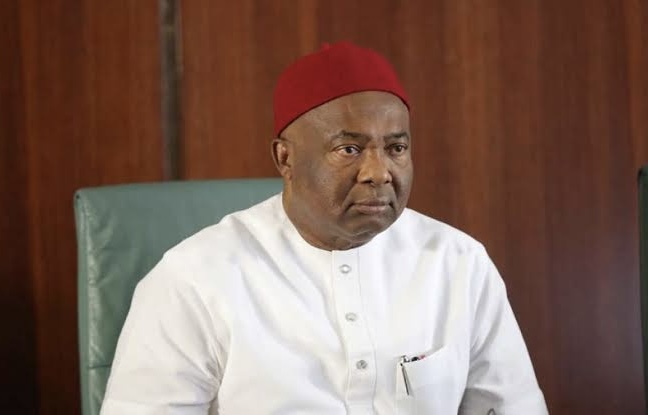
66th Independence: Uzodimma, cleric advocate national unity, integrity
Mr Ugorji identified corruption, insecurity, poverty, and energy deficit as major obstacles to the country’s growth.
States
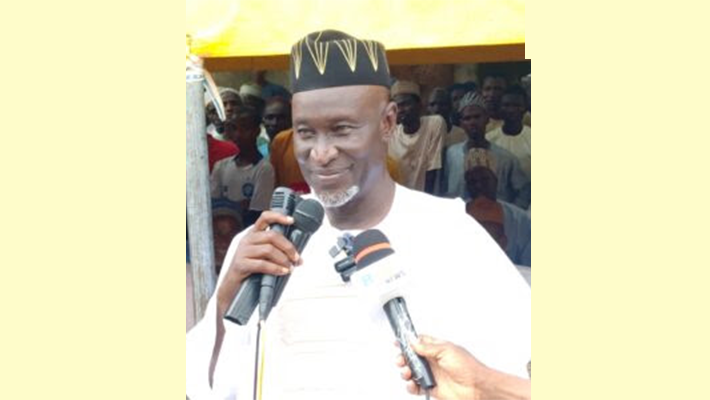
APC candidate distributes bags of fertiliser to Sokoto farmers
Mr Maitafsir said the gesture was part of his commitment to supporting farmers and improving their living standards.

Africa
Police hunt killers of 17 fun-seekers at South African tavern
The police said, “The suspects were reportedly armed with AK-47 rifles and pistols.”
Diaspora
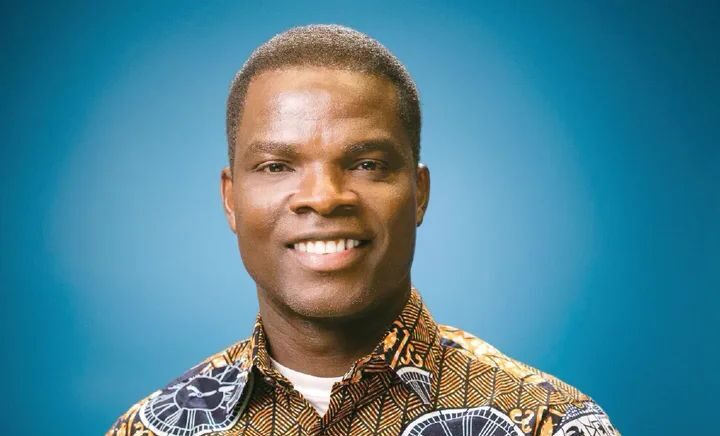
Canada-based Nigerian lecturer wins award
Mr Adesola said, “I have not been doing this work alone. And so, the award belongs to everyone who has supported me.”


