

Nigeria, other African countries lose $75 billion annually to biased credit ratings

Experts have disclosed that Africa loses about $75 billion annually due to biased credit ratings. They gave the warning at a two-day conference, held on Wednesday in Dakar, Senegal.
The conference was organised by AfriCatalyst, the South African Institute of International Affairs, the United Nations Development Programme, and the African Union Development Agency–NEPAD. It brought together policymakers, economists, and financial experts from across West Africa to discuss how Africa can strengthen its voice within global financial and climate governance, ensuring its priorities shape the agendas of the G20, the fourth International Conference on Financing for Development, and COP30.
The meeting focused on how Africa can achieve fairer access to capital, promote fiscal resilience, and reform international financial systems that have historically disadvantaged developing nations.
A key highlight was the joint presentation by UNDP and AfriCatalyst on the Africa Credit Ratings Initiative, a regional framework designed to reduce the continent’s dependency on external rating agencies that often overstate risk and raise borrowing costs.
According to estimates presented at the summit, Africa loses $74.5 billion annually due to biased ratings, which result in higher interest payments, reduced investment inflows, and limited fiscal space for social services and infrastructure projects.
Catherine Phuong, the UNDP resident representative in Senegal, stated that political commitments must be translated into tangible pipelines, transactions, and measurable outcomes.
According to Ms Phuonh, aligning incentives between policymakers, markets, and think tanks is critical to lowering Africa’s cost of capital.
Bartholomew Armah, chief economist at AUDA-NEPAD, said Africa’s external debt stock reached $863 billion in 2023, equivalent to 169 per cent of total exports.
Mr Armah noted that with average bond yields at 9.8 per cent, debt-service costs now consume 16 per cent of export revenues, draining resources for development.
“Addressing illicit financial flows, which cost the continent an estimated $88 billion annually, and establishing regional financing mechanisms such as the African Monetary Fund and the African Stability Mechanism, are crucial to restoring fiscal stability,” he stated.
Daouda Sembene, chief executive officer of AfriCatalyst, noted that South Africa’s G20 presidency presents a unique opportunity to ensure African concerns are reflected in global economic decisions.
“The voice of the Global South must be heard and prioritised,” Mr Sembene said.
(NAN)

We have recently deactivated our website's comment provider in favour of other channels of distribution and commentary. We encourage you to join the conversation on our stories via our Facebook, Twitter and other social media pages.

More from Peoples Gazette

Agriculture
FG tasks ECOWAS on leveraging financing strategies for agroecology
The federal government has urged stakeholders in the agriculture and finance sectors in the West Africa region to leverage financing strategies to enhance agroecology practices

Politics
Katsina youths pledge to deliver over 2 million votes to Atiku
“Katsina State is Atiku’s political base because it is his second home.”

States
PCN seals 733 pharmacies, illegal outlets in Delta
Mr Chiroma said that of the 930 premises visited, pharmacies constituted just 21 per cent.

Education
Gov. Uzodimma inaugurates 6,030 teachers, 345 non-teaching staff in Imo
The governor said the recruitment was designed to address the acute shortage of teachers.
NationWide
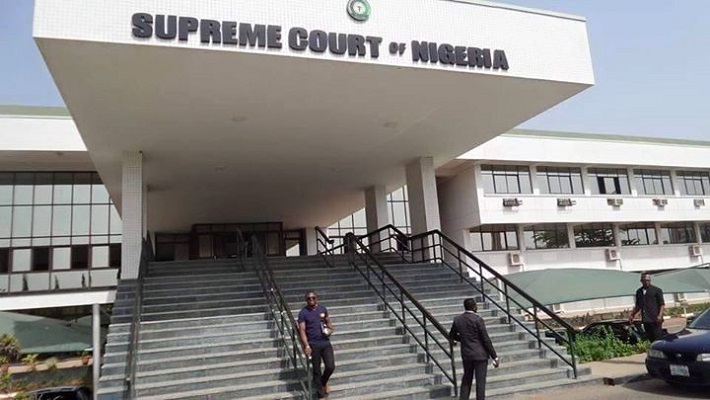
Supreme Court upholds INEC appeal, validates Electoral Act provisions on party primaries
Justice Mohammed Umar had, on May 5, initially dismissed the ZLP’s suit for lacking merit.

States
Army arrests two soldiers over alleged ammunition racketeering
Troops recovered four mobile phones, two empty magazines, an ATM card, a motorcycle and other items.
Heading 4
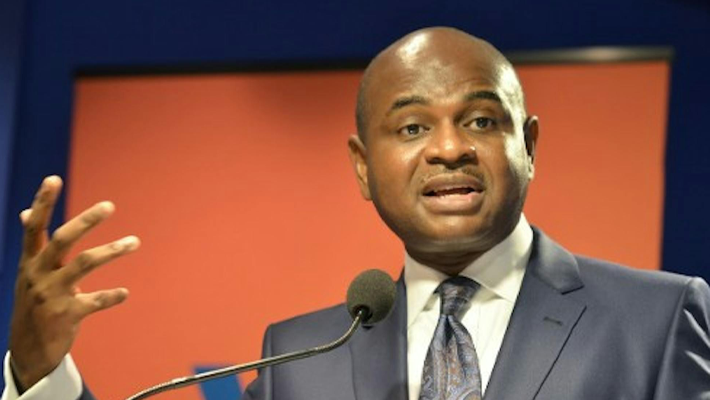
Moghalu rejects Atiku’s campaign council appointment, says he’s quit partisan politics
Mr Abubakar unveiled his council on Thursday, listing Mr Moghalu as a member of its policy team.

Heading 2
Jigawa establishes 135 learning spaces for out-of-school children
He said that 270 facilitators and 20 supervisors had been engaged to provide learning opportunities for children.


