

Nigeria, other African countries warned against animal abuse, increased meat consumption

The World Animal Protection (WAP) has warned Nigeria and other African countries against the abuse of animals and intensive livestock consumption.
The group gave the warning at its 2nd African Protein Summit held in Nairobi, Kenya, on Thursday.
Speaking at the summit, Victor Yamo, Farming Campaigns Manager at WAP, urged African countries to promote humane animal production for the benefit of climate restoration.
Mr Yamo explained that the rapid growth of the human population particularly in Africa, with increasing affluence, has led to a surge in demand for animal products.
He added that the intensification of livestock production was already gaining popularity to meet the demand.
“However, intensive livestock production is associated with significant animal abuse, water and environmental pollution, deforestation, biodiversity loss and increased greenhouse gas emissions, making it an unsustainable method of food production,” Mr Yamo said.
The two-day summit highlighted the urgent need to mitigate the adverse environmental impacts of intensive livestock production systems and emphasised the importance of preserving humane production systems that support small-scale farmers in the region.
Numerous negative impacts associated with the intensive livestock production systems listed at the summit include; compromised animal welfare, public health concerns, and adverse effects on the environment and climate such as increased greenhouse gas emissions through deforestation for animal feed production and high-fertiliser use.
Also, the excessive nutrient excretion from overfed animals further contributes to higher emissions. These negative externalities are often overlooked, particularly in developing nations striving to combat poverty and achieve food security.
The summit recognised Africa’s greenhouse gas emissions were mainly from agriculture, forestry and other land-use change estimated at 65 per cent of the continent’s emissions.
It was further recognised that whilst there is room for lower meat consumption countries in Africa to increase their rates to meet nutritional needs, however, embracing intensive livestock production would endanger food and nutrition security and livelihoods of smallholder producers while worsening the superbug and climate crisis.

We have recently deactivated our website's comment provider in favour of other channels of distribution and commentary. We encourage you to join the conversation on our stories via our Facebook, Twitter and other social media pages.

More from Peoples Gazette

States
Independence: NBA urges Nigerians to expect better future
The NBA said that ordinary Nigerians should be deriving benefit from the subsidy removal rather than hardship.

Agriculture
FG tasks ECOWAS on leveraging financing strategies for agroecology
The federal government has urged stakeholders in the agriculture and finance sectors in the West Africa region to leverage financing strategies to enhance agroecology practices

Politics
Katsina youths pledge to deliver over 2 million votes to Atiku
“Katsina State is Atiku’s political base because it is his second home.”

Heading 4
Slovakia opens new visa appointment portal for Nigerian students, others from November
Foreign students and researchers are not required to register themselves in RegVIS portal.
Heading 1
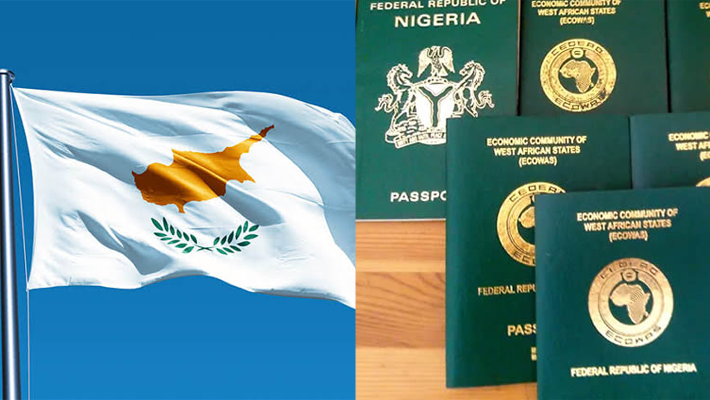
Cyprus blacklists six Nigerians over public security concerns
The government did not immediately disclose the specific allegations against each of the individuals.

States
25 terrorists killed as troops repel ISWAP attacks in Borno
Mr Goni noted that some soldiers paid the supreme sacrifice during the encounter.

Hot news Home top
Man nabbed while allegedly sitting FCTA promotion exam for his father
The suspect confessed that his father asked him to sit the exam on his behalf.

Africa
BAL unveils six refurbished basketball courts in Nigeria, Senegal, Côte d’Ivoire
Mr Fall said the projects demonstrated the league’s commitment to community investments across Africa.

World
Trump says Islam driving protests in France to take over
“What’s happening in France is nothing less than out of control mass migration,” Mr Trump said.


